
FTSE 100 futures are rapidly gaining traction among traders as the UK’s market landscape evolves heading into 2025. With volatility and opportunity on the rise, understanding how to navigate these futures contracts is more crucial than ever.
In this comprehensive guide, you’ll explore essential trading insights, proven strategies, and practical tips designed for both beginners and seasoned traders. We’ll cover everything from the basics of FTSE 100 futures and market structure to advanced risk management and actionable tools.
Ready to unlock new trading opportunities? Dive in for expert advice and step-by-step strategies to trade FTSE 100 futures with confidence in 2025.
Understanding FTSE 100 Futures: Fundamentals & Market Structure
Navigating the world of ftse 100 futures begins with understanding their building blocks. These contracts offer traders the chance to speculate on the direction of the UK’s leading stock index, using leverage to amplify both gains and losses. Let’s break down the essentials, from contract mechanics to market participants, so you can approach ftse 100 futures trading with clarity and confidence.
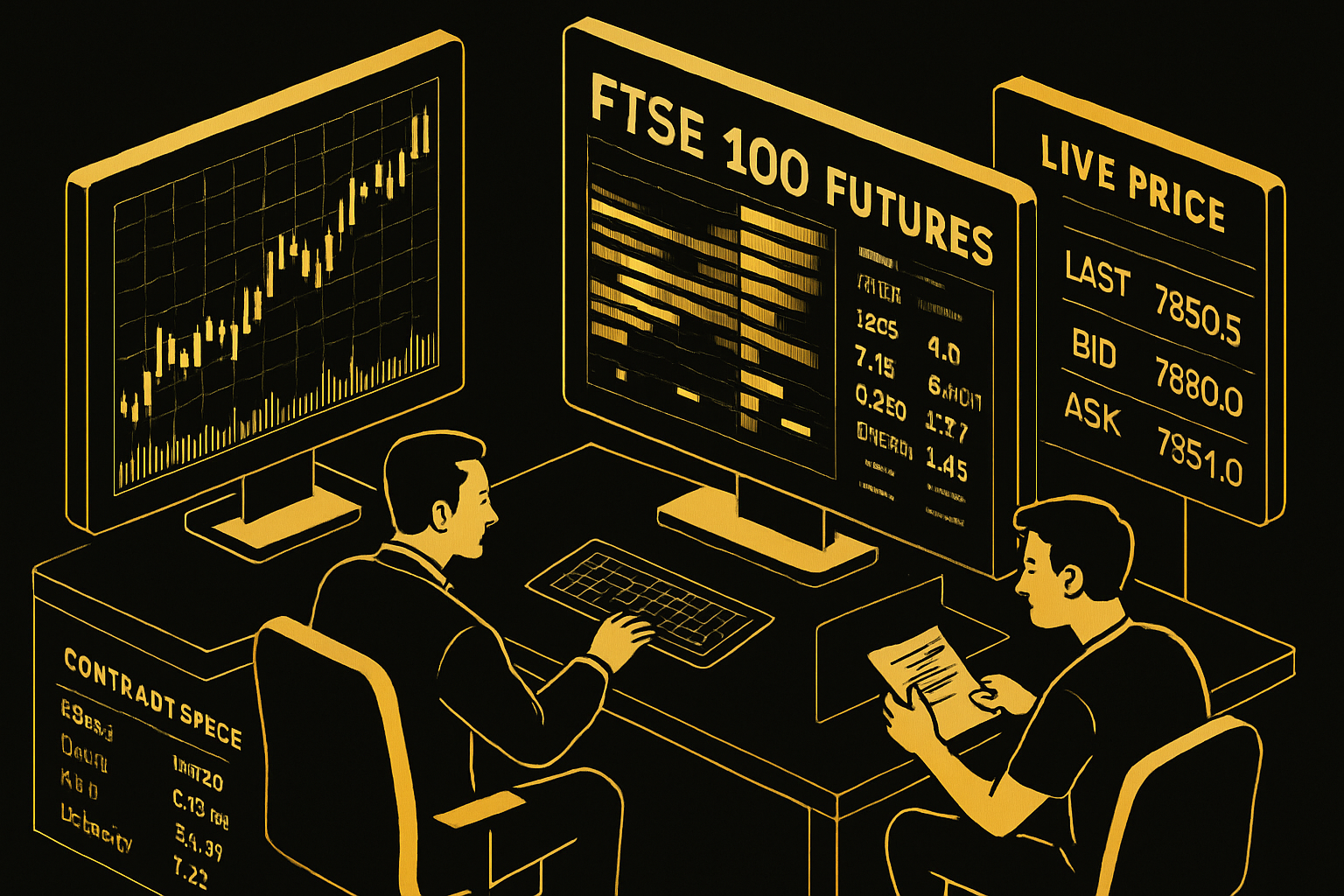
What Are FTSE 100 Futures?
FTSE 100 futures are standardized contracts that let you buy or sell the FTSE 100 index at a set price on a future date. Each contract typically represents GBP 1 per index point, making it easy to calculate your exposure. These contracts trade on regulated exchanges and are settled either in cash or by physical delivery at expiry. Unlike options, futures obligate both buyer and seller to fulfill the contract terms.
Traders use ftse 100 futures for both hedging and speculation. Leverage is a key feature, allowing you to control a large position with a small initial margin—often as low as 1% for the first tier. For a deeper dive into the mechanics, Index trading strategies explained can provide foundational context.
How the FTSE 100 Index Is Calculated
The FTSE 100 index is composed of the top 100 companies listed on the London Stock Exchange by market capitalization. Each stock’s weight in the index is proportional to its market value, so changes in larger companies like BT Group PLC or JD Sports Fashion PLC can move the index more than smaller firms. The index is updated in real time during trading hours, reflecting live price movements.
Sector performance also plays a role in index shifts. For example, if the financial sector rallies, it can lift the entire FTSE 100. Reliable data is sourced from the exchange, ensuring traders in ftse 100 futures are working with accurate, up-to-the-minute information.
Trading Hours, Expiry Dates, and Settlement
FTSE 100 futures typically trade from early morning through late evening, mirroring the London Stock Exchange’s main hours. Contracts have set expiry dates, such as 19/09/25 for 2025. Settlement is based on the Exchange Delivery Settlement Price (EDSP), which is calculated from the underlying index on expiry.
Understanding contract expiry is crucial to avoid forced settlement. Rollover allows you to maintain your position by moving to the next contract before the last dealing date. Each contract’s minimum size is GBP 1 per point, making position sizing straightforward for ftse 100 futures traders.
FTSE 100 Futures vs. Other Index Futures
Comparing ftse 100 futures to S&P 500, DAX, or Euro Stoxx 50 futures reveals some unique features. FTSE 100 futures are denominated in GBP, which can shield UK traders from currency risk but introduces FX considerations for international participants. Liquidity is robust, but volatility can differ from US or European indices.
Here’s a quick comparison:
| Feature | FTSE 100 Futures | S&P 500 Futures | DAX Futures |
|---|---|---|---|
| Currency | GBP | USD | EUR |
| Margin (1st tier) | ~1% | ~5% | ~3% |
| Typical Spread | Tight | Very Tight | Moderate |
Global events influence each index differently. For a detailed look at S&P 500 differences, see the S&P 500 futures chart guide.
Key Players and Market Liquidity
The ftse 100 futures market is driven by a mix of institutional investors—like hedge funds and pension managers—and retail traders. Major brokers and exchanges, such as ICE, facilitate trading and ensure price transparency. Daily trading volumes are high, supporting tight spreads and fast execution.
Liquidity is vital for efficient trading. More liquidity means smaller spreads and less slippage. Retail participation has grown in recent years, but it’s important to note that around 71% of IG retail client accounts lose money on CFDs, underscoring the need for robust risk management when trading ftse 100 futures.
Step-by-Step Guide: How to Trade FTSE 100 Futures in 2025
Trading ftse 100 futures in 2025 requires a clear plan and attention to detail. Whether you’re just starting out or looking to sharpen your skills, following a step-by-step process can help you navigate the market confidently. Here’s how you can get started and trade ftse 100 futures with a strategic edge.
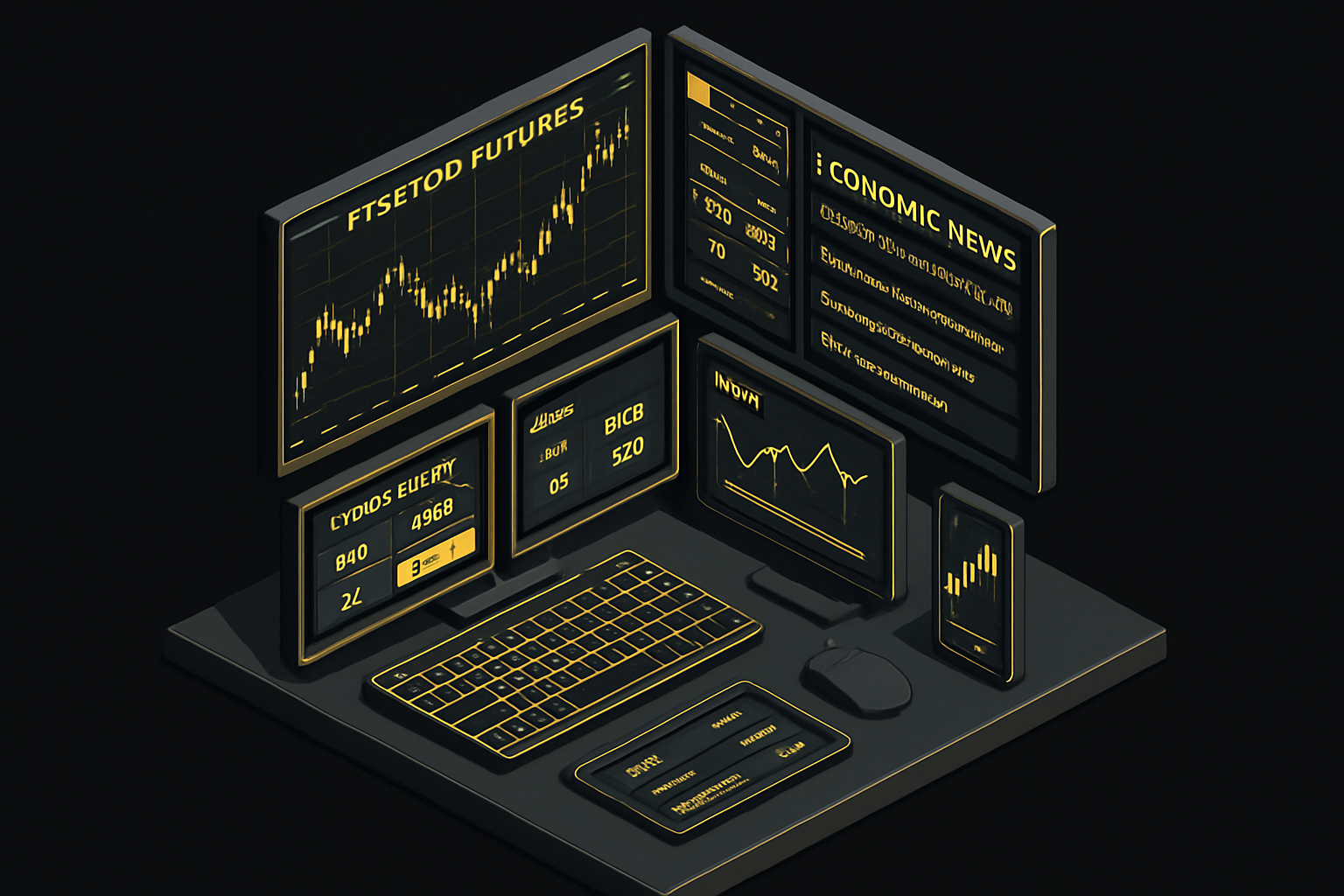
Step 1: Choose a Regulated Broker and Trading Platform
Selecting the right broker is the foundation of successful ftse 100 futures trading. Always choose a platform regulated by the FCA for maximum client protection. Look for brokers that offer transparent spreads, competitive margin rates, and robust trading platforms.
Top choices in the UK include IG and Investing.com, both known for their user-friendly interfaces and advanced charting tools. Demo accounts are invaluable for practicing your strategies before risking real capital. When evaluating platforms, consider the availability of mobile trading, desktop functionality, and integrated analysis tools.
Fee transparency is essential, so review all costs upfront. For a deeper dive into broker selection and trading essentials, the FTSE 100 Futures Trading Guide offers comprehensive insights.
Step 2: Understand Margin Requirements and Leverage
Understanding margin and leverage is crucial when trading ftse 100 futures. Typically, brokers require a margin as low as 1% for the first tier (up to 325 contracts), allowing you to control larger positions with less capital.
For example, if the ftse 100 futures index trades at 8,000 points, a single contract would require just £80 margin (1% of £8,000). While leverage can amplify gains, it also magnifies potential losses, making risk management vital.
Beware of over-leveraging, as margin calls can quickly erode your account. Familiarize yourself with your broker’s stop-out levels and minimum stop distances. Regulatory changes in 2025 may further shape leverage rules, so stay informed.
Step 3: Analyze Market Trends and Set Up Your Chart
Effective analysis is a cornerstone of ftse 100 futures trading. Combine technical tools—such as moving averages, RSI, and support/resistance zones—with fundamental research. Most platforms offer real-time ftse 100 futures charts, letting you monitor price action across multiple timeframes.
Set up your chart to spot trends and reversals quickly. Use economic calendars to track key UK releases and anticipate volatility. Regularly review top risers and fallers in the index for momentum clues. Multi-timeframe analysis helps you avoid trading against the prevailing trend and improves your decision-making.
Step 4: Place Your Trade – Order Types and Execution
Placing a trade in ftse 100 futures involves more than just clicking “buy” or “sell.” Choose from market, limit, or stop orders based on your entry strategy. Always set clear stop-loss and take-profit levels to define your risk and reward upfront.
Calculate your pip value—each index point is worth £1 per contract—to measure potential gains or losses. Order execution speed matters, especially during volatile periods, so check for slippage and ensure your platform handles orders efficiently. Trailing stops can help lock in profits as the market moves in your favor.
Step 5: Monitor, Manage, and Close Your Position
Once your ftse 100 futures trade is active, continuous monitoring is key. Use real-time tools to track price action and adjust stops or targets as needed. Be mindful of contract expiry and rollover dates to avoid forced settlement.
Decide whether to close your position before expiry or roll it over to the next contract. Trade analytics tools can help you evaluate performance and refine your approach. Journaling each trade provides valuable insights for improvement. Finally, remember to withdraw profits and maintain a balanced account to support your long-term trading journey.
FTSE 100 Futures Trading Strategies for 2025
As we move into 2025, trading strategies for ftse 100 futures are evolving rapidly. Traders need to adapt to new market dynamics, leverage proven techniques, and embrace technology to stay ahead. Let’s break down the most effective approaches for navigating the ftse 100 futures market in the coming year.
Trend-Following Strategies
Trend-following remains a core approach for ftse 100 futures traders. The goal is to identify the dominant market direction and ride the wave for maximum profit. Moving averages, such as the 50-day and 200-day, help spot uptrends or downtrends. Drawing trendlines can confirm if the index is making higher highs or lower lows.
Multi-timeframe analysis is key—check longer-term charts for overall trend and shorter ones for precise entries. Wait for clear breakouts before entering a trade. Use risk management tools like stop-loss orders to protect against sudden reversals. Avoid chasing late moves and always confirm the trend with volume or momentum indicators.
Range-Bound and Mean Reversion Approaches
Not every session in ftse 100 futures is trending. Often, the market trades sideways within well-defined support and resistance zones. In these conditions, range-bound and mean reversion strategies shine. Oscillator indicators like RSI or Stochastic can highlight overbought or oversold areas.
Traders look for price to bounce off key levels, entering trades as the futures contract approaches these boundaries. Keep stops tight to manage risk, especially if the range breaks. Avoid range trading during major news releases, as volatility can spike and break the pattern. Volume analysis helps confirm if a move is genuine or just noise, making your setups stronger.
News and Event-Driven Trading
Economic releases and geopolitical news can cause sharp moves in ftse 100 futures. Traders who specialize in event-driven strategies use economic calendars to track key data like UK GDP or Bank of England decisions. Volatility often spikes during these announcements, creating both risk and opportunity.
Some traders position themselves ahead of the event, while others wait for the initial reaction to settle before entering. Be mindful of wider spreads and potential slippage during high-impact news. Using alerts and real-time news feeds ensures you never miss a major market-moving event. Always adjust your position size and stops to reflect increased uncertainty around these times.
Hedging and Portfolio Diversification
Many investors use ftse 100 futures as a tool for hedging and diversification. If you hold a portfolio of UK equities, shorting futures contracts can offset potential losses during market downturns. Calculating the correct hedge ratio is vital to ensure effective risk reduction.
For diversification, ftse 100 futures offer exposure to a broad index rather than individual stocks. However, hedges are rarely perfect—monitor your portfolio regularly and adjust your futures positions as needed. Tax treatment and margin requirements differ for hedging versus speculation, so consult with a professional. Both retail and institutional traders use these strategies, but their scale and objectives often differ.
Advanced: Algorithmic and Quantitative Trading
Algorithmic trading is gaining momentum in the ftse 100 futures arena. Traders develop automated systems to scan for patterns, execute trades, and manage risk at speeds no human can match. A basic algorithm might use a moving average crossover or volatility breakout as its entry signal.
Backtesting on historical data is crucial before deploying any algorithm live. Even with automation, risk controls must be built in—such as maximum daily loss limits or dynamic position sizing. Many traders blend discretionary and algorithmic strategies to capture the best of both worlds. Regulatory compliance and regular performance reviews are essential for long-term success in this space.
How AI Trading Indicators Can Enhance Your FTSE 100 Futures Strategy
AI-powered indicators are transforming the way traders approach ftse 100 futures. These tools analyze vast amounts of market data in real time, generating actionable buy and sell signals. Multi-timeframe analysis helps traders avoid taking trades against the prevailing trend, reducing costly mistakes.
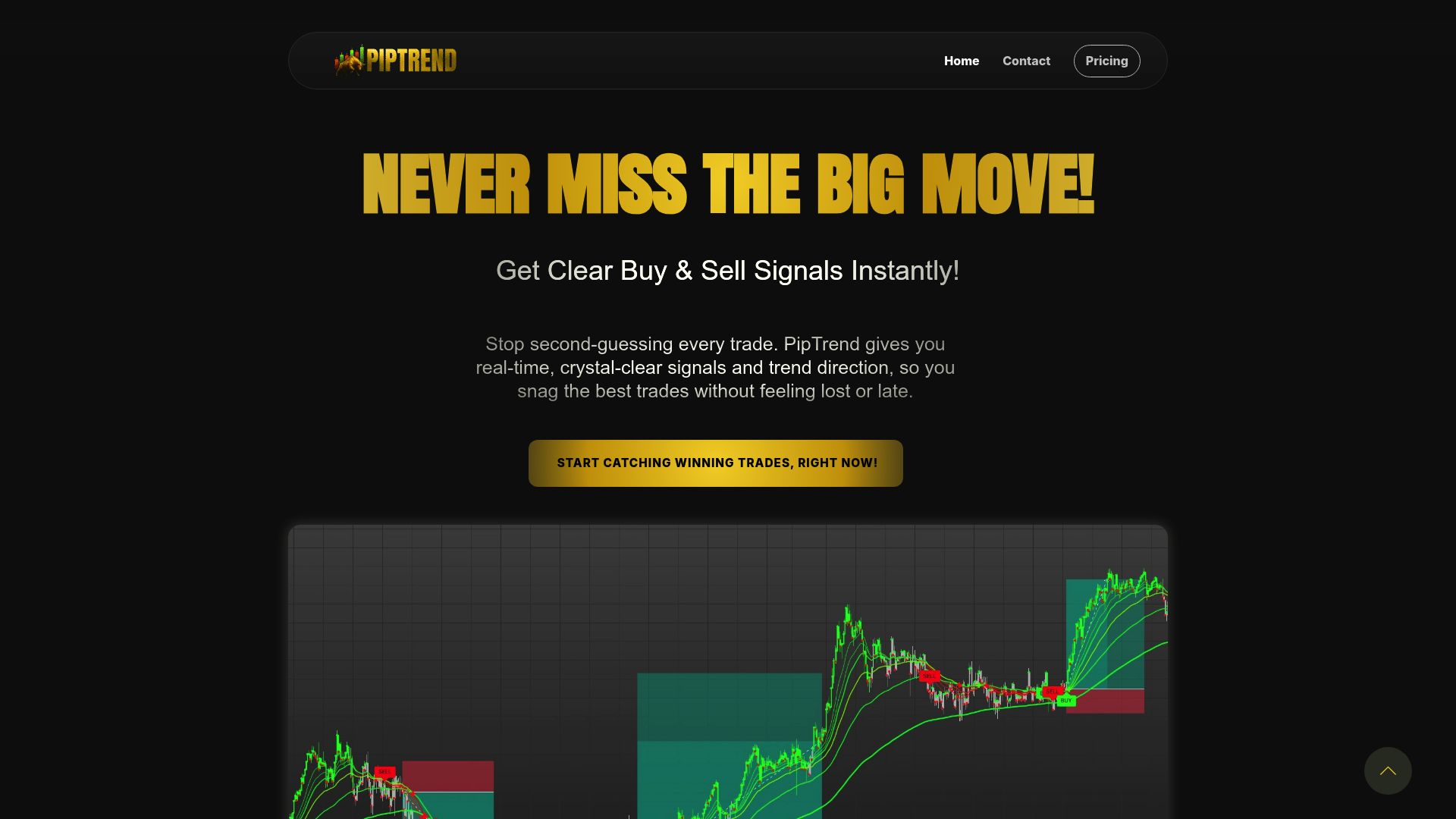 Trading Indicators Can Enhance Your FTSE 100 Futures Strategy">
For example, using an AI tool like PipTrend, you can receive instant alerts for high-probability setups, cutting down on emotional decision-making. This is especially valuable for traders seeking to reduce overtrading and focus on quality opportunities. To learn more about integrating AI into your futures trading, check out AI trading indicators for futures. As 2025 unfolds, expect AI-driven tools to become a must-have for anyone serious about trading ftse 100 futures efficiently.
Risk Management & Common Pitfalls in FTSE 100 Futures Trading
Effectively managing risk is the cornerstone of success when trading ftse 100 futures. The fast-paced environment, combined with leverage, means both profits and losses can be magnified quickly. Let’s break down the essential risk management techniques and common mistakes to avoid in 2025’s dynamic market.
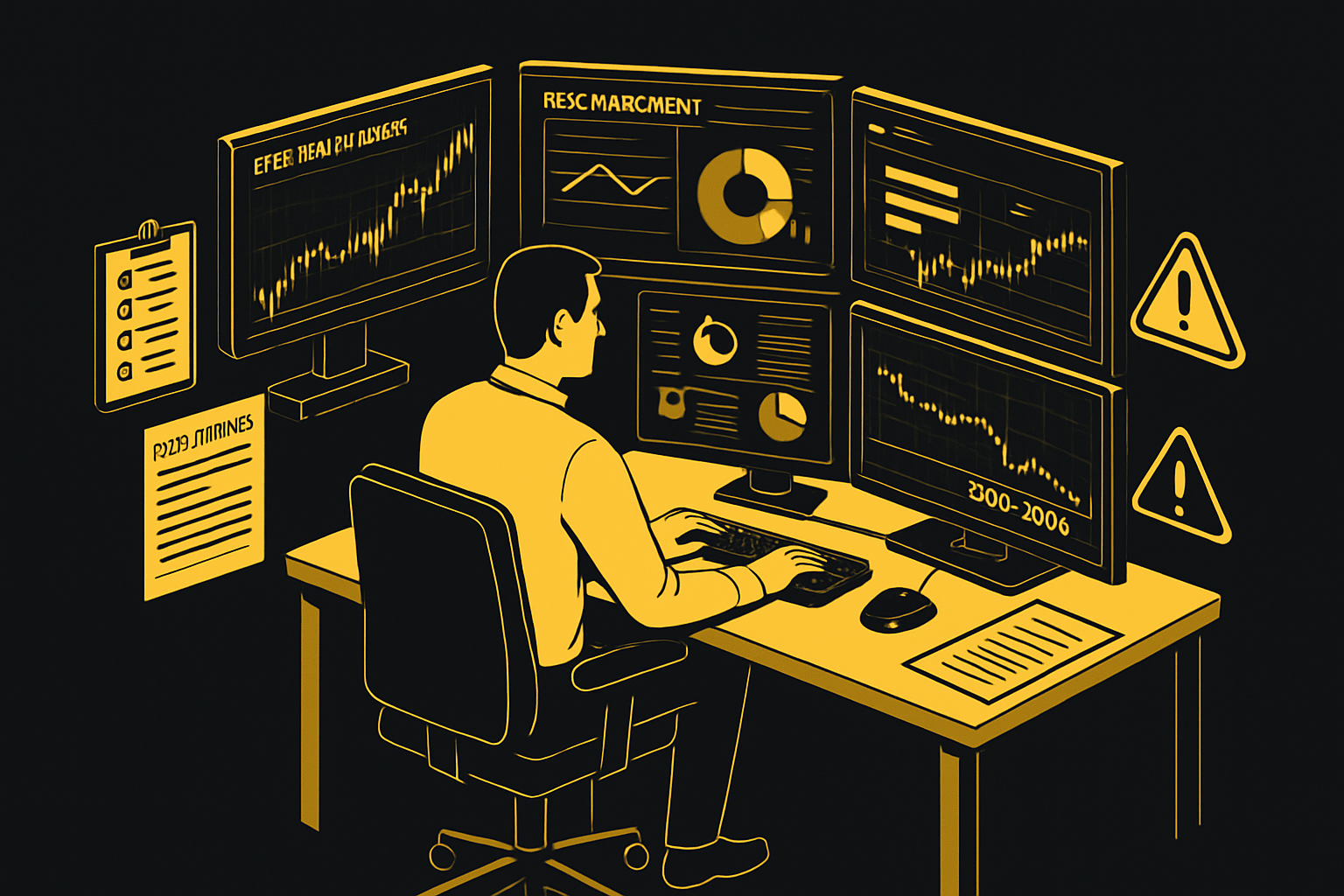
Understanding and Managing Leverage Risk
Leverage is a double-edged sword in ftse 100 futures trading. It allows you to control a large contract value with a fraction of the capital, but it also means your losses can snowball just as fast as any gains.
For example, with a 1% margin requirement, a £10,000 position requires only £100 as margin. If the market moves against you, a small shift can trigger a margin call, forcing you to deposit more funds or close your position at a loss.
To manage this, set a maximum leverage limit per trade and stick to it—never risk more than you’re prepared to lose. Many brokers, like IG, display live margin levels to help you monitor exposure. Regulatory changes for ftse 100 futures in 2025 may further cap leverage for retail traders, so always stay updated.
Position Sizing and Stop-Loss Techniques
Proper position sizing is critical for longevity in ftse 100 futures trading. Calculate your optimal trade size based on your account balance and risk tolerance. A common rule is to risk only 1–2% of your account per trade.
Setting stop-loss orders at logical technical levels, such as below support or above resistance, helps protect your capital. For instance, if you have a £5,000 account and want to risk 2% per trade, your maximum loss per position should be £100. Trailing stops can help lock in profits as the market moves in your favor.
Avoid “revenge trading” after a loss—review and adjust your stop strategies regularly. For more practical tips on managing risk in ftse 100 futures, you can check out these FTSE 100 Trading Tips.
Emotional Discipline and Trading Psychology
Emotional discipline is often the defining factor between successful and struggling ftse 100 futures traders. The markets can trigger fear, greed, and FOMO (fear of missing out), leading to impulsive decisions.
Maintain discipline by sticking to a written trading plan and using checklists before executing trades. Journaling your trades—especially the emotional triggers—can help identify patterns and areas for improvement. Practice with demo accounts to build confidence and avoid panic selling during volatile sessions.
Participate in trading communities for peer support, and remember that consistent, process-driven trading usually outperforms emotional, reactive decision-making in ftse 100 futures.
Regulatory, Tax, and Compliance Considerations
Understanding the regulatory landscape is vital for anyone trading ftse 100 futures in the UK. The Financial Conduct Authority (FCA) enforces strict rules to protect traders, including leverage limits and client fund segregation.
Tax treatment can differ—profits from ftse 100 futures are generally subject to capital gains tax, while spread betting may be tax-free for UK residents. Ensure you keep accurate records for tax reporting and understand the differences between product types.
Complete all KYC (Know Your Customer) and AML (Anti-Money Laundering) checks with your broker. Watch out for hidden costs, such as overnight funding fees, and always read the fine print to avoid surprises.
Avoiding Common Mistakes: Lessons from Retail Traders
Many retail traders in ftse 100 futures fall into similar traps:
- Overleveraging positions and ignoring risk controls
- Chasing losses instead of sticking to their plan
- Trading through major news events without preparation
- Failing to analyze and learn from past trades
Remember, a high percentage of retail traders lose money on CFDs. Learning from these pitfalls will help you approach ftse 100 futures with greater confidence and discipline.
Essential Tools, Data & Resources for FTSE 100 Futures Traders
Navigating the fast-paced world of ftse 100 futures requires more than just a trading account. The right tools, up-to-date data, and community support can make the difference between success and frustration. Let’s break down the essentials every trader needs to stay ahead in 2025.
Real-Time Market Data and Charting Platforms
Access to real-time data is the backbone of every ftse 100 futures trading strategy. Leading platforms like TradingView, IG, and Investing.com provide live price feeds, advanced charting, and a suite of technical indicators.
Key features to look for include:
- Multi-timeframe charting for in-depth analysis
- Customizable alerts for price and news events
- Mobile and desktop compatibility
Here’s a quick comparison table:
| Platform | Charting Tools | Real-Time Data | Mobile App |
|---|---|---|---|
| TradingView | Yes | Yes | Yes |
| IG | Yes | Yes | Yes |
| Investing.com | Yes | Yes | Yes |
For deeper insight into actionable strategies and charting, check out FTSE 100 Trading Strategies.
Economic Calendars and News Feeds
Staying updated with economic events is crucial for ftse 100 futures traders. Economic calendars from Investing.com and IG highlight key data releases like UK GDP, employment figures, and Bank of England decisions.
Look for:
- Filters for high-impact events
- Real-time news integration
- Volatility alerts for sudden market moves
Reliable news sources such as Reuters and Bloomberg offer breaking updates that can shift the ftse 100 futures market in seconds. Integrating these feeds into your trading platform ensures you never miss a beat. Scheduling trades around major events can help you avoid unnecessary risk.
Trade Analytics, Journals, and Performance Tracking
Tracking your trading performance is essential for long-term growth in ftse 100 futures. Tools like IG’s trade analytics or third-party journaling apps help monitor win/loss ratios, risk/reward, and drawdown.
Benefits of trade journaling include:
- Identifying patterns in your trading behavior
- Setting measurable improvement goals
- Reviewing trade setups and outcomes
For technical traders, mastering multi-timeframe analysis techniques can refine your approach to ftse 100 futures and highlight high-probability setups. Combining analytics with structured journaling keeps your edge sharp and focused.
Community, Education, and Support Resources
No ftse 100 futures trader succeeds in isolation. Engaging with trading communities and accessing educational resources can accelerate your learning curve. Top brokers like IG Academy offer free courses and webinars, while forums and social trading platforms provide peer support.
Consider these benefits:
- Learning from experienced traders’ strategies
- Staying updated with market insights and live analysis
- Participating in Q&A sessions and mentorship programs
Support features from brokers, such as live chat and help centers, ensure that you have guidance whenever you’re facing technical or strategic challenges. Continuous learning and community support are invaluable for navigating the complexities of ftse 100 futures.
Expert Insights & Actionable Tips for FTSE 100 Futures Success in 2025
Navigating the evolving landscape of ftse 100 futures in 2025 requires more than just technical know-how. To outperform, traders need to adapt, learn from professionals, and build habits that stand the test of volatile markets. Here’s how to stay ahead of the curve with proven insights and practical tips.
Adapting to 2025 Market Trends and Volatility
In 2025, ftse 100 futures traders must be prepared for rapid shifts driven by economic and political developments. Events like potential UK elections or global policy changes could spark significant volatility. Using tools such as volatility indices and options can help manage risk.
Stay informed by following up-to-date analysis and scenario planning. According to the FTSE 100 Market Outlook 2025, factors such as dividend yields and currency movements may heavily influence price action this year. Adjusting your trading hours to catch major market moves ensures you don’t miss out on key opportunities.
Remain flexible—review your approach regularly and be open to changing tactics as market conditions evolve. This adaptability is vital for anyone trading ftse 100 futures.
Top Tips from Professional Traders
Professional traders emphasize patience and discipline when trading ftse 100 futures. Waiting for high-quality setups instead of chasing every move can make a significant difference. Risk management should always be the foundation of your strategy.
- Maintain a consistent trading routine
- Regularly review and update your trading plan
- Leverage technology for efficiency
Learning from both wins and losses is crucial. Focus on refining your process rather than obsessing over single outcomes. By prioritizing a systematic approach, you’ll build confidence in your ftse 100 futures trades and increase your chances of long-term success.
Building a Sustainable Trading Routine
Success in ftse 100 futures trading depends on building habits that are sustainable. Set realistic daily or weekly goals, balancing your time between trading, research, and education. Start each morning with a market review and update your watchlist.
- Allocate time for rest to avoid burnout
- Use checklists to ensure disciplined trade execution
- Continuously update your trading plans
Establishing a routine creates structure and reduces emotional decision-making. The goal is to make disciplined, data-driven trades in ftse 100 futures, rather than reacting impulsively to every market move.
Staying Ahead: Continuous Learning and Market Evolution
To stay competitive in ftse 100 futures, commit to ongoing learning. Follow financial news and regulatory updates to adapt your strategies as new data emerges. Participate in webinars, advanced courses, and trading communities for fresh perspectives.
- Network with other traders for idea exchange
- Embrace new technologies and trading tools
- Build resilience to cope with changing market dynamics
Staying curious and open to change will help you adjust your ftse 100 futures approach as the market evolves. The most successful traders are those who never stop learning and adapting.
Now that you’ve got a solid grasp on FTSE 100 futures and a toolkit full of practical strategies, why not take that next step and put your knowledge into action? With everything moving so fast in the 2025 markets, having real-time, reliable signals can make all the difference. PipTrend’s AI-powered indicator takes the guesswork out of your trades, giving you instant alerts and the confidence to act decisively—whether you’re just starting out or looking to refine your edge. Ready to see how much smoother and smarter your trading routine can be?
See Your Trading Improve With PipTrend