
Nikkei 225 futures live markets are drawing global attention in 2025, as traders and investors seek new ways to tap into Japan’s dynamic economy. With live trading technology evolving rapidly, accessing real-time Japanese market data has never been more seamless or powerful.
By understanding nikkei 225 futures live data, you can unlock smarter trading opportunities and sharpen your risk management strategies. This guide will walk you through everything you need to know—from live market mechanics and trading strategies to the latest technological tools and regulatory essentials.
What Are Nikkei 225 Futures?
Nikkei 225 futures live trading is a cornerstone of the Japanese and global financial markets. These futures allow traders to speculate on or hedge against movements in Japan’s benchmark Nikkei 225 index, which tracks the performance of 225 top companies listed on the Tokyo Stock Exchange.
The introduction of Nikkei 225 futures dates back to 1986, marking a pivotal moment for Japan’s financial sector. Over the years, these contracts have evolved, with milestones such as the launch of mini and micro contracts to cater to different investor needs. Nikkei 225 futures live trading gained further traction after the Asian financial crisis and the 2008 global downturn, both of which highlighted their importance for risk management.
A key way to grasp the global relevance of these futures is by comparing them to other major contracts, such as the S&P 500 and FTSE 100. While all represent leading equity benchmarks, Nikkei 225 futures live contracts are unique in their exposure to the Japanese economy, currency dynamics, and sector composition. For instance, the Nikkei 225 is heavily weighted towards technology and manufacturing, making it more sensitive to shifts in these industries. Notable events, like the 2011 Tōhoku earthquake and subsequent market volatility, have shown just how reactive Nikkei 225 futures live prices can be to both domestic and international shocks.
Overview and Historical Context
Nikkei 225 futures live contracts are standardized agreements to buy or sell the Nikkei 225 index at a future date and price. This feature enables both speculators and institutional investors to gain exposure to the Japanese equity market without directly owning the underlying stocks.
Historically, the launch of these contracts on the Osaka Exchange in the mid-1980s opened new avenues for global investors. Over time, Nikkei 225 futures live trading expanded to international venues, including the Chicago Mercantile Exchange (CME), fostering greater liquidity and accessibility.
Major market events, such as Japan’s “Lost Decade” in the 1990s and the Bank of Japan’s unconventional monetary policies, have deeply influenced Nikkei 225 futures live prices. The contracts’ ability to quickly reflect economic and geopolitical changes makes them a vital tool for tracking the pulse of Asian markets.
Contract Specifications and Trading Venues
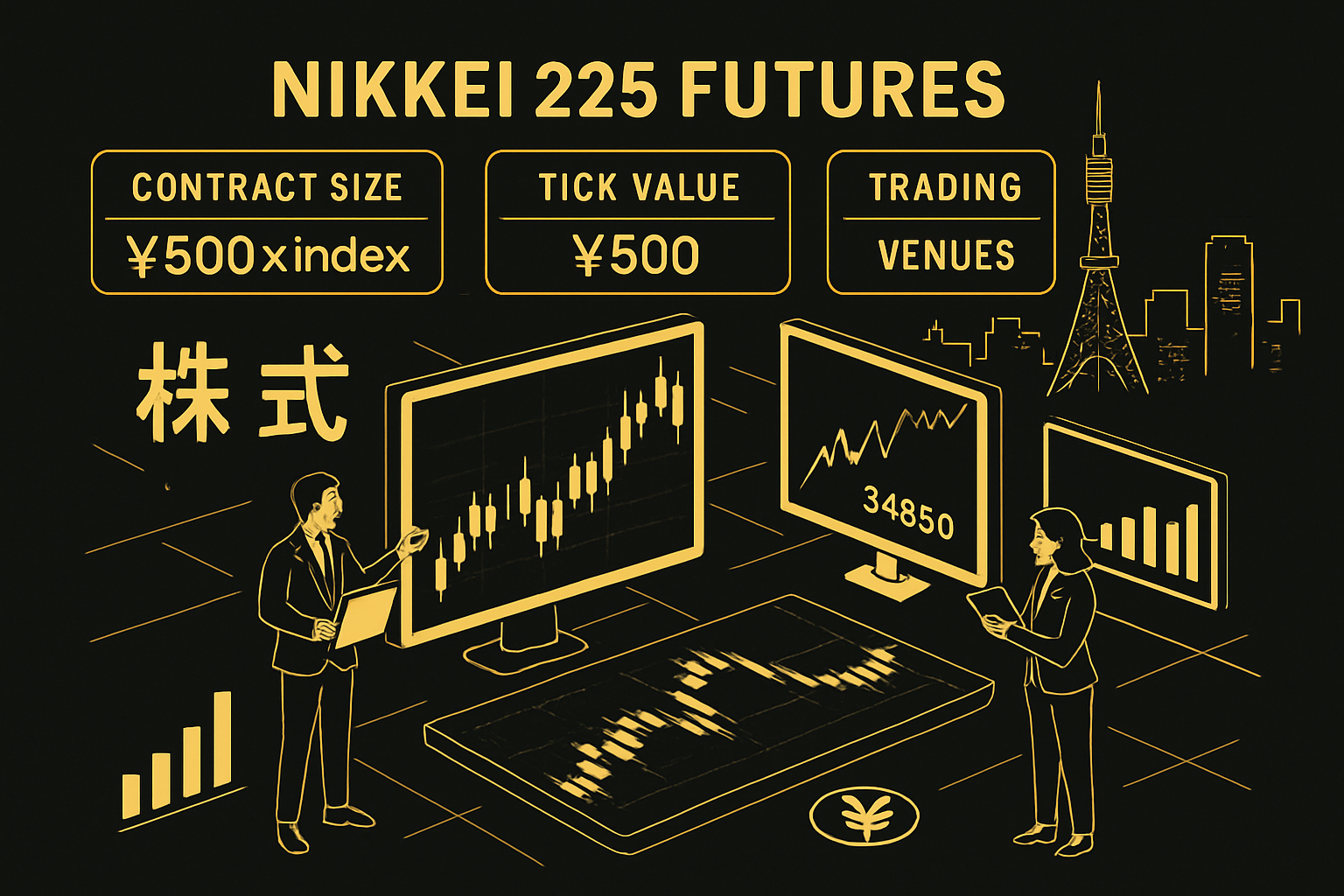
For those interested in the nuts and bolts of Nikkei 225 futures live trading, understanding contract details is crucial. Each standard contract represents a specified multiple of the index value, with a tick value denoting the minimum price fluctuation. Expiration cycles typically follow quarterly schedules—March, June, September, and December—providing regular opportunities for settlement and rollover.
Trading hours for Nikkei 225 futures live contracts span both the Asian and global trading sessions, with major activity on the Osaka Exchange and CME. Settlement can be cash-based, and margin requirements are set by the exchanges to manage risk. Liquidity remains robust, with trading volumes reaching new highs in 2024, reflecting increased participation from both domestic and international investors.
For a comprehensive breakdown of contract size, tick value, and trading procedures, you can refer to the Nikkei 225 Futures Contract Specifications, which provides authoritative details for active traders.
Importance for International Investors
Nikkei 225 futures live contracts serve as a gateway for global investors seeking exposure to Japan’s dynamic equity market. They allow for efficient hedging against portfolio risks, speculative positioning based on market outlook, and strategic diversification beyond Western markets.
Use cases include:
- Hedging Japanese equity portfolios against market downturns
- Speculating on short-term index movements
- Diversifying international portfolios with Asian market exposure
Increasingly, cross-listing and international participation have made Nikkei 225 futures live trading more accessible. Global investors benefit from deep liquidity, transparent pricing, and the ability to respond rapidly to economic news and policy changes. As Japanese markets continue to attract global capital, Nikkei 225 futures live are expected to play an even larger role in international trading strategies.
How to Access Nikkei 225 Futures Live Data
Unlocking the full potential of nikkei 225 futures live trading starts with reliable, real-time data. Whether you’re an active day trader or a global portfolio manager, the right data feed can shape your strategy and help you stay a step ahead in the fast-moving Japanese markets.
Real-Time Data Sources and Platforms
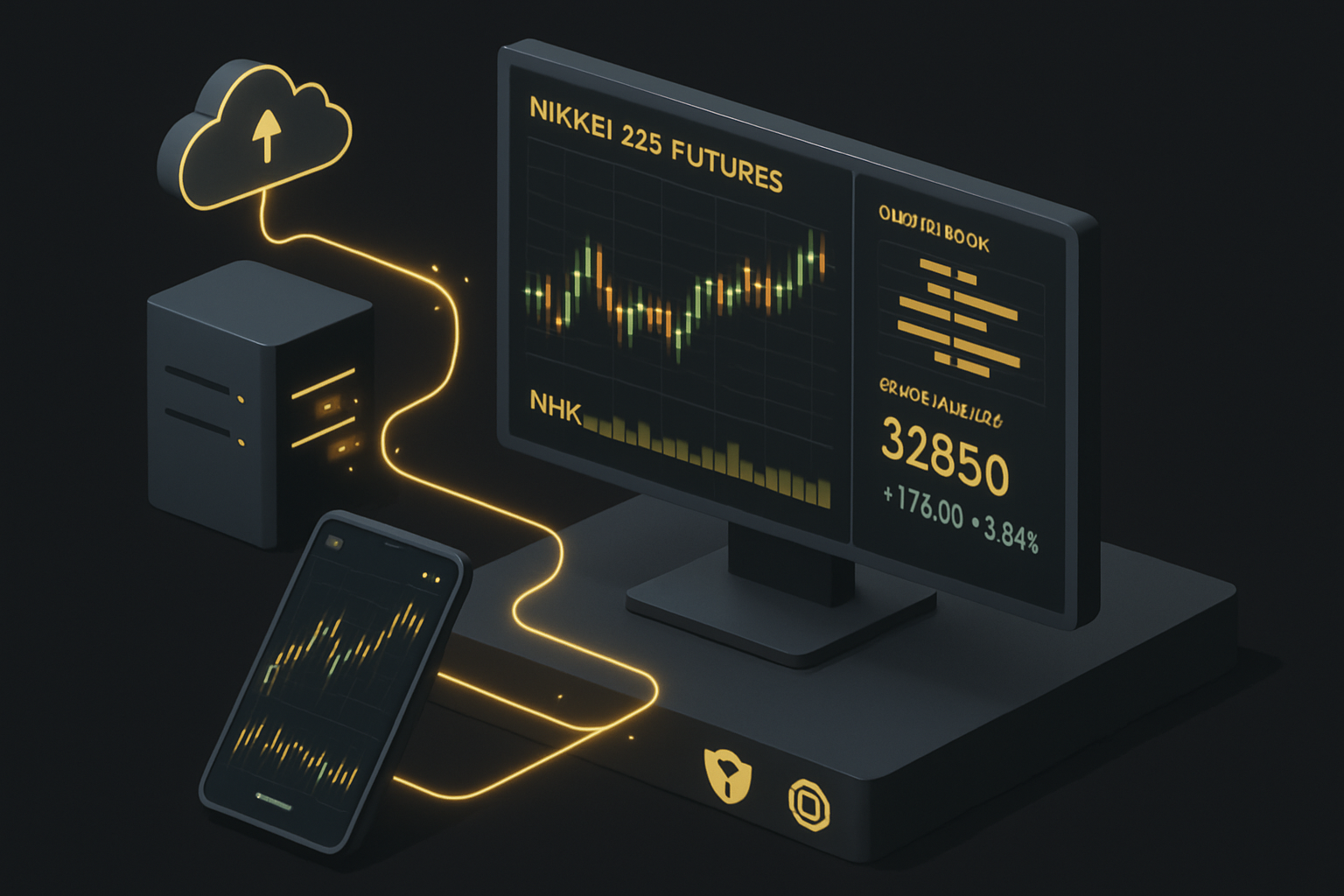
Accessing nikkei 225 futures live data requires choosing the right platform. Leading sources include Bloomberg, Reuters, and TradingView, each offering robust tools for monitoring Japanese index futures.
Free data feeds provide basic access, but often come with delayed quotes or limited features. Paid feeds, on the other hand, deliver real-time updates, deeper analytics, and enhanced reliability—crucial for fast-paced trading.
Data latency is a key consideration. Even a few milliseconds can impact trade execution. Accuracy and uptime are critical, especially during high volatility.
To set up nikkei 225 futures live data, start by selecting a compatible platform. Register for an account, choose your market data package, and customize your dashboard for the Nikkei 225 contract. For a step-by-step walkthrough of market access and trading hours, the Nikkei 225 Trading Guide offers additional practical insights.
Key Features to Look For
When comparing nikkei 225 futures live data platforms, certain features set top providers apart.
Look for:
- Depth of Market (DOM) and transparent order books
- Volume analytics and trade flow visualization
- Customizable charting tools with technical indicators
- Mobile access and instant alert options
A quick feature comparison of top platforms in 2024:
| Platform | DOM | Charting | Mobile | Alerts | Latency |
|---|---|---|---|---|---|
| Bloomberg | Yes | Advanced | Yes | Yes | Low |
| TradingView | Yes | Advanced | Yes | Yes | Low |
| Reuters | Yes | Standard | Yes | Yes | Low |
Choosing a platform with these features ensures you get the most out of nikkei 225 futures live trading, whether you’re analyzing trends or managing risk in real time.
Data Compliance and Security
With the rise in demand for nikkei 225 futures live data among retail traders, security and compliance have never been more important.
Always use authorized data sources that comply with exchange regulations. Secure connections protect your trading information and help prevent unauthorized access. Using unofficial feeds can lead to inaccurate pricing and even regulatory penalties.
In 2024, the growth in retail interest has prompted exchanges to tighten oversight on data distribution. Ensuring compliance not only protects you legally but also guarantees the integrity of your trading signals.
Stay vigilant and review your data provider’s credentials before integrating nikkei 225 futures live data into your strategy.
Nikkei 225 Futures Live Trading Strategies for 2025
Navigating the world of nikkei 225 futures live requires a solid grasp of trading strategies that are effective in 2025’s rapidly evolving markets. Whether you are an active day trader or a long-term participant, adapting your approach to the unique characteristics of these futures is essential.
Day Trading and Scalping Techniques
Day trading nikkei 225 futures live hinges on capitalizing on intraday price swings. Traders often look for periods of heightened volatility, such as the Japanese market open or during key economic releases.
Popular technical indicators include the Relative Strength Index (RSI), MACD, and Bollinger Bands. Scalpers may focus on one-minute or five-minute charts to spot breakout patterns or quick reversals.
A real-world example from 2024 involved traders catching a sharp spike during a surprise Bank of Japan announcement. They entered on a breakout above resistance and exited within minutes, locking in profits.
Risk management is critical. Always set stop-loss and take-profit levels to guard against sudden reversals. Even in nikkei 225 futures live trading, strict discipline with position sizing is non-negotiable.
Swing Trading and Position Strategies
Swing traders in nikkei 225 futures live markets look for multi-day or multi-week trends. Moving averages such as the 50-day and 200-day help identify trend direction, while oscillators like Stochastics highlight overbought or oversold conditions.
Incorporating macroeconomic news is essential. For instance, a swing trade during a Bank of Japan policy meeting might anticipate increased volatility and trend shifts. Traders may also monitor global equity indices for correlated moves.
A successful swing strategy often combines technical signals with a fundamental catalyst, such as strong GDP data or sector rotation. In nikkei 225 futures live setups, patience and well-timed entries typically outperform impulsive trades.
Algorithmic and AI-Driven Approaches
Algorithmic trading has reshaped the nikkei 225 futures live landscape. Many traders now deploy automated strategies ranging from trend-following algorithms to mean reversion and news-based bots. These systems process massive amounts of data in real time, seeking small but consistent edges.
However, challenges abound. Data quality, slippage, and backtesting reliability remain top concerns. Traders must continuously optimize their algorithms to keep pace with changing market dynamics.
For those interested in comparing trading approaches, understanding the Differences Between Nikkei and S&P 500 Futures can highlight unique market behaviors and execution considerations. As of 2024, algorithmic trading accounted for a significant share of Japanese index futures volume, making it a vital tool in nikkei 225 futures live strategies.
Risk Management and Leverage Considerations
Effective risk management in nikkei 225 futures live trading is non-negotiable. Calculating position size based on account equity and volatility helps avoid excessive exposure. Leverage amplifies both gains and losses, so understanding margin requirements is crucial.
Margin calls can occur quickly during periods of high volatility. Traders should set clear thresholds for liquidation risk and use stop-loss orders accordingly. Diversification, such as hedging with options or correlated indices, can help manage downside risk.
Using risk calculators and automated alerts ensures that nikkei 225 futures live traders are always aware of critical price levels. Consistent risk discipline protects capital and preserves long-term trading potential.
Performance Metrics and Trade Review
Tracking your performance is essential for success in nikkei 225 futures live markets. Key metrics include win rate, risk/reward ratio, and maximum drawdown. Analyzing these numbers helps identify strengths and areas for improvement.
Maintaining a detailed trading journal is invaluable. Record each trade’s rationale, entry and exit points, and outcome. Reviewing this data regularly supports continuous growth and helps eliminate repeating mistakes.
Finally, set aside time each week to review your trading activity. In nikkei 225 futures live environments, this habit drives consistent progress and sharper decision-making.
Key Factors Influencing Nikkei 225 Futures Prices
Understanding the forces that move nikkei 225 futures live prices is crucial for traders and investors aiming to stay ahead in 2025. These factors range from domestic economic data to global market shifts, company earnings, and unexpected external events. Let’s break down the most important drivers shaping nikkei 225 futures live dynamics.
Economic Indicators and Market Drivers
Japanese economic releases play a central role in the movement of nikkei 225 futures live. GDP growth, inflation rates, and unemployment figures can quickly alter market sentiment. When Japan’s GDP surprises to the upside, traders often respond with higher demand for futures contracts, driving prices up.
The Bank of Japan’s monetary policy decisions, particularly regarding interest rates and quantitative easing, are closely watched. A sudden rate change or policy shift can spark volatility in nikkei 225 futures live, as seen during unexpected announcements in 2023. For detailed contract specifications and how economic events impact trading, you can review the Nikkei 225 Futures Contract Details.
Keep in mind, traders often react rapidly to breaking news, so being able to interpret these indicators in real time is essential for anyone following nikkei 225 futures live.
Global Market Correlations
Nikkei 225 futures live prices are deeply intertwined with movements in major global indices, especially the US and other Asian equity markets. If the S&P 500 or Hang Seng Index experiences a sharp move, it often ripples into Japanese futures within hours.
Currency fluctuations, particularly the JPY/USD exchange rate, can amplify these impacts. When the yen strengthens, it can put pressure on Japanese exporters, leading to declines in nikkei 225 futures live. Conversely, a weaker yen often lifts the index, as export-driven companies benefit.
Correlation statistics from 2023–2024 show that periods of heightened US market volatility often coincide with increased swings in nikkei 225 futures live, making global awareness a must for traders.
Corporate Earnings and Sector Performance
Quarterly earnings from Nikkei 225 companies can significantly move nikkei 225 futures live. When bellwether firms like Toyota or Sony beat expectations, futures often rally in anticipation of broader market gains.
Sector rotation trends are another layer to watch. For instance, a surge in technology stocks can drive futures higher, while weakness in the financial sector might weigh on the index. In early 2024, a tech sector boom pushed nikkei 225 futures live to new multi-year highs.
Traders who monitor earnings calendars and sector performance can often spot trading opportunities before the broader market reacts.
Geopolitical and External Shocks
External shocks regularly inject volatility into nikkei 225 futures live. Geopolitical tensions in East Asia, such as trade disputes or military developments, can trigger sharp price swings.
Natural disasters, like earthquakes or typhoons, also impact market sentiment. For example, during a global crisis in 2023, nikkei 225 futures live experienced heightened volatility as investors sought safe havens and reacted to uncertain news flows.
Understanding the potential for sudden shocks—and having risk management strategies in place—can make all the difference for those trading nikkei 225 futures live.
Regulatory Environment and Taxation for Nikkei 225 Futures Traders
Navigating the regulatory landscape is crucial for anyone trading nikkei 225 futures live. With increased global interest in Japanese derivatives, understanding rules and tax implications is more important than ever. Let’s explore the key regulations, tax considerations, and upcoming changes every trader should know.
Key Regulations and Compliance Requirements
The Japanese Financial Services Agency (FSA) oversees regulations for nikkei 225 futures live trading. Both domestic and international traders must adhere to strict guidelines, ensuring transparency and market integrity.
Foreign investors face comprehensive Know Your Customer (KYC) and Anti-Money Laundering (AML) checks before accessing nikkei 225 futures live. This includes submitting identification, proof of address, and sometimes additional financial disclosures.
Major exchanges, like the Osaka Exchange, enforce position limits to prevent market manipulation. These limits are periodically reviewed and updated, so traders need to monitor their open positions closely.
Reporting obligations can differ based on residency and trading volume. High-frequency traders or those managing large portfolios may need to submit additional disclosures to both their broker and regulatory bodies.
For more details, the Japanese FSA website is a valuable resource for staying up to date with the latest regulatory guidance.
Taxation of Futures Trading Gains
Taxation is a critical aspect for anyone engaging in nikkei 225 futures live. Both domestic and international traders must understand how their profits are categorized and reported.
In Japan, gains from nikkei 225 futures live trading are typically taxed as “miscellaneous income.” For residents, the flat tax rate is 20.315% (including both national and local taxes). International traders may face different rates depending on tax treaties between Japan and their home country.
Here’s a quick comparison:
| Trader Type | Tax Rate (2025) | Filing Deadline |
|---|---|---|
| Japanese Resident | 20.315% flat | March 15, 2025 |
| International | Varies by treaty | Varies |
Unlike ETFs, futures allow for offsetting gains and losses within the same year, potentially reducing taxable income. Accurate record-keeping and timely documentation are essential to avoid penalties or missed deductions.
Navigating Regulatory Changes in 2025
Looking ahead, regulatory updates are expected to impact nikkei 225 futures live trading. The FSA is considering enhanced reporting standards and increased scrutiny of algorithmic trading, reflecting a global trend toward tighter oversight.
Traders must stay vigilant about rule changes, as new position limits or margin requirements could affect strategies. The number of enforcement actions related to futures trading in Japan rose by 18% between 2023 and 2024, underscoring the importance of compliance.
To remain compliant, utilize tools like automated alerts for regulatory updates and consult with tax professionals familiar with both Japanese and international rules. Staying informed is the best way to protect your trading capital and ensure smooth participation in nikkei 225 futures live markets.
Essential Tools and Resources for Nikkei 225 Futures Traders
Navigating the fast-paced world of nikkei 225 futures live trading requires more than just market knowledge. The right combination of platforms, analytical tools, news sources, and community support can make all the difference between success and missed opportunities.
With this in mind, let’s explore the essential tools and resources every trader should consider when engaging with nikkei 225 futures live markets in 2025.
Trading Platforms and Broker Selection
Choosing the right trading platform is the first critical step for nikkei 225 futures live traders. A robust platform should offer reliable execution, low latency, and access to Japanese markets during all trading sessions. When evaluating brokers, consider key factors such as commission structure, margin requirements, customer support, and the quality of their order routing technology.
Here’s a quick comparison of platform types:
| Feature | Desktop | Web-Based | Mobile |
|---|---|---|---|
| Speed | High | Moderate | Moderate |
| Customization | Extensive | Limited | Moderate |
| Accessibility | Device-bound | Any Browser | Anywhere |
| Advanced Tools | Yes | Some | Some |
Top brokers for nikkei 225 futures live trading in 2025 include both Japanese and international firms. Look for platforms that integrate seamlessly with real-time data feeds and provide transparent pricing. For an in-depth broker comparison, check resources like Investing.com’s broker guide.
Before opening an account, ensure your broker is licensed by a reputable regulator and offers strong security protocols to protect your assets and personal information.
Charting Software and Technical Analysis Tools
Effective charting software is essential for analyzing nikkei 225 futures live price action. Leading solutions like TradingView, MetaTrader 5, and NinjaTrader provide powerful charting capabilities, customizable technical indicators, and multi-timeframe analysis.
Key features to look for include:
- Real-time Japanese market data integration
- Customizable indicators (moving averages, oscillators, Ichimoku Cloud)
- Backtesting and strategy development tools
- Depth of market visualization
Many traders rely on multi-timeframe analysis to identify trends and pinpoint entry or exit signals. For instance, a trader might use the 1-hour chart for trend direction and the 5-minute chart for precise trade entries. The ability to overlay indicators and compare historical patterns is invaluable when trading nikkei 225 futures live.
News, Analytics, and Research Services
Staying updated with real-time news is crucial for nikkei 225 futures live traders. Economic releases, central bank announcements, and geopolitical developments can move the market in seconds. Top news providers such as Bloomberg, Reuters, and Nikkei Asian Review offer dedicated Japanese market coverage and instant alerts.
Consider these research and analytics tools:
- Economic calendars with Japanese events
- Earnings trackers for Nikkei 225 constituents
- Sentiment analysis platforms
A case study: In 2024, traders who used news analytics to anticipate a surprise Bank of Japan policy shift were able to catch a sharp move in nikkei 225 futures live prices. Timely access to actionable information can give you a significant edge.
Community and Educational Resources
The trading journey can feel isolating, but the right community and educational resources can accelerate your growth. Forums like Elite Trader and Reddit’s r/JapanFinance connect nikkei 225 futures live traders worldwide, offering peer insights and mentorship opportunities.
Top resources include:
- Interactive webinars and advanced trading courses
- Trading mentorship programs focused on Japanese markets
- Local and international trading meetups
Peer learning has a measurable impact on performance. Engaging with experienced traders, sharing strategies, and participating in live trading rooms can help you refine your approach to nikkei 225 futures live trading.
Risk and Trade Management Tools
Risk management is paramount in the nikkei 225 futures live market. Portfolio management software helps you track performance, manage open positions, and analyze risk exposure. Popular tools like Edgewonk, Tradervue, and Myfxbook offer detailed trade journaling and performance analytics.
Essential risk management features:
- Automated risk calculators (position size, leverage, margin)
- Customizable alert systems for price moves and margin calls
- Journaling apps for trade review and improvement
For example, setting up alerts for specific nikkei 225 futures live price thresholds ensures you never miss critical market moves. Automated risk calculators help prevent overexposure, while a disciplined journaling process supports continuous improvement.
Now that you’ve got a solid understanding of Nikkei 225 futures, live market strategies, and essential trading tools, it’s time to put your knowledge into action. Navigating fast-moving markets can feel overwhelming, but you don’t have to go it alone—especially with AI-powered help at your fingertips. With PipTrend, you get real-time signals and instant alerts, so you never miss an opportunity or second-guess your decisions. If you’re ready to trade smarter and see real results in 2025, See Your Trading Improve With PipTrend.