
The world of trading is changing faster than ever—artificial intelligence is revolutionizing how markets move and how traders make decisions in 2025.
In this guide, you’ll discover how ai and trading are converging to give investors powerful new strategies, smarter tools, and data-driven insights. Whether you’re a beginner or a seasoned trader, you’ll learn how to harness these advancements to master the market.
We’ll explore the evolution of AI in trading, the core technologies driving change, step-by-step adoption, real-world success stories, challenges to watch for, and what the future holds.
The Evolution of AI in Trading
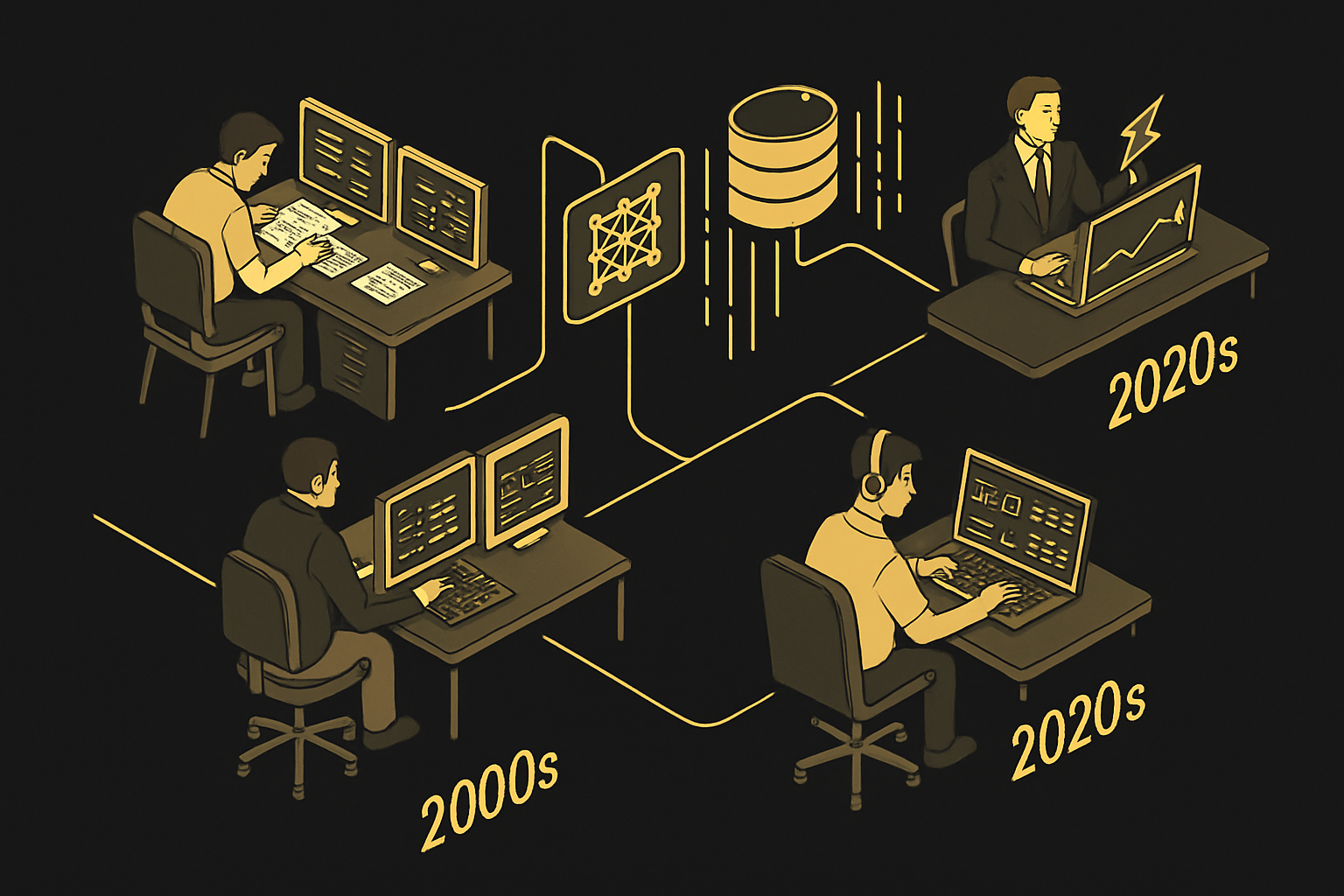
The journey of ai and trading is nothing short of revolutionary. Just a decade ago, most trading decisions relied on manual research, intuition, and often slow execution. Today, the landscape has transformed—data-driven strategies and machine intelligence have replaced guesswork, setting a new standard for trading success.
Let’s rewind to the early days. Traditional traders pored over financial statements, charts, and news, often making decisions based on gut feelings. While this approach worked for some, it was limited by human speed and emotion.
The real turning point in ai and trading came with the rise of algorithmic trading. As of 2021, an estimated 70% of global trading volume was initiated by algorithms. These early systems followed strict, rule-based instructions, executing trades automatically when certain conditions were met. Over time, these rules became more sophisticated, integrating machine learning and deep learning to adapt strategies on the fly.
Here’s a quick look at the key milestones that shaped ai and trading:
| Year/Period | Milestone | Impact on Trading |
|---|---|---|
| 1980s | Rule-based algorithms | Automated repetitive tasks |
| 2000s | Machine learning adoption | Adaptive, data-driven strategies |
| 2010s | Deep learning, alternative data sources | Improved predictions, nuanced analysis |
| 2020s | High-frequency trading, retail AI tools | Millisecond execution, broader access |
High-frequency trading (HFT) pushed ai and trading into a new era. These systems execute thousands of trades in mere milliseconds, capitalizing on micro-movements that are invisible to the human eye. HFT strategies, once exclusive to institutional powerhouses, are now influencing retail trading as AI-powered tools become more accessible to everyday investors.
The expansion of ai and trading into retail markets has shifted the trader’s role dramatically. Instead of relying on intuition, traders now harness data-driven, automated systems to make decisions.
- Manual chart reading has been replaced by real-time data analysis.
- Emotional trading is minimized through automation.
- Traders focus more on strategy optimization and system oversight.
One standout example is the Medallion Fund, managed by Renaissance Technologies. This fund’s evolution mirrors the broader ai and trading revolution. By continuously refining its predictive algorithms and leveraging massive datasets, Medallion Fund has consistently outperformed traditional funds—demonstrating the true potential of AI-driven trading.
The numbers tell the story. The algorithmic trading market was valued at $15.5 billion in 2021 and is projected to grow at a compound annual rate of 12.2% through 2030. The rapid evolution of ai and trading is making advanced strategies accessible to more traders than ever before.
For a deeper dive into how these advancements are reshaping finance, explore this AI in Trading Overview.
The evolution of ai and trading is ongoing, promising even greater speed, accuracy, and opportunities for those ready to embrace the future.
Core AI Technologies Powering Modern Trading
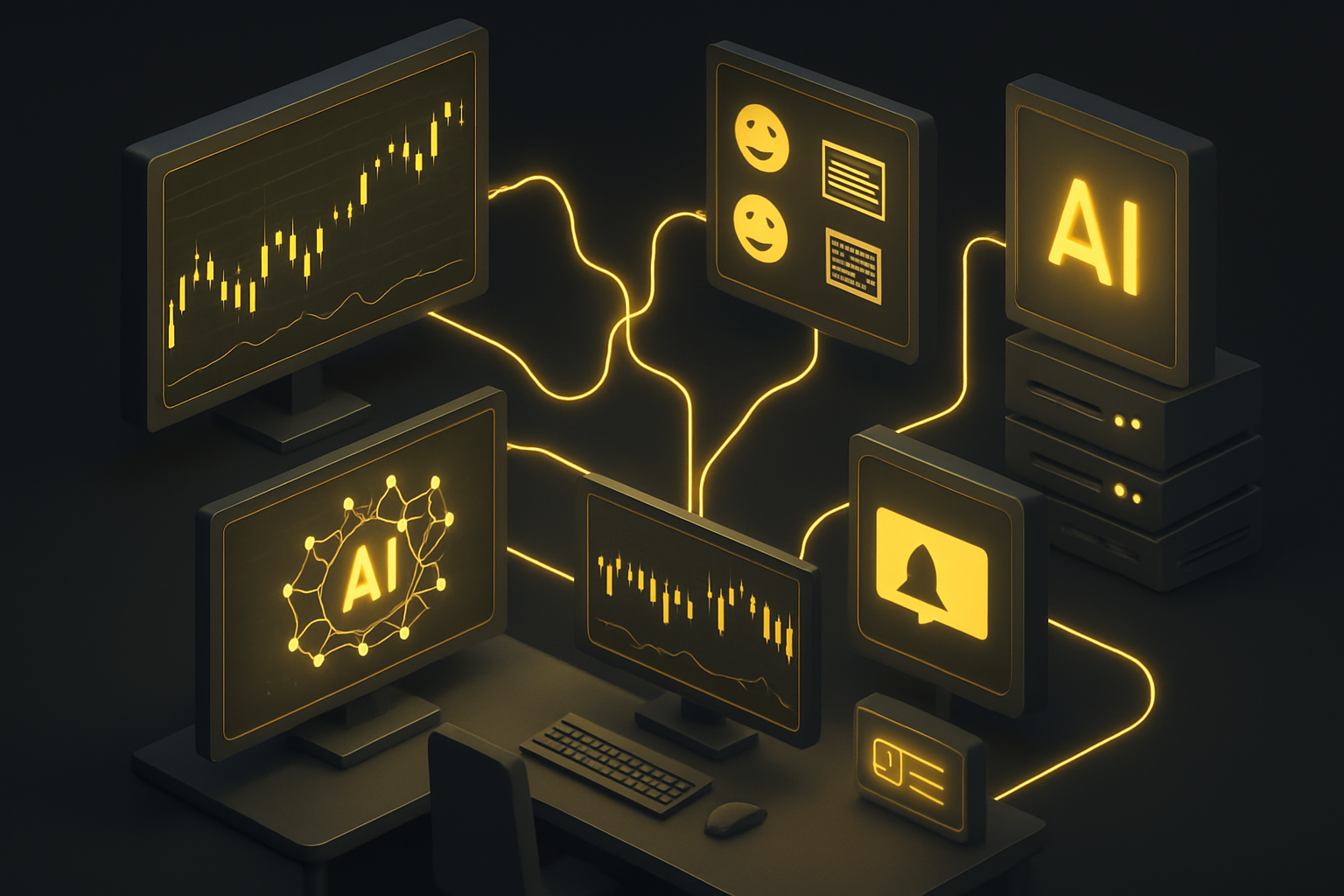
Artificial intelligence is redefining how traders approach the markets. In the world of ai and trading, modern strategies rely on advanced technologies that process information faster and more accurately than ever before. These core AI systems form the backbone of data-driven decision-making, giving both institutional and retail traders a competitive edge.
Machine Learning & Deep Learning
Machine learning and deep learning are at the heart of ai and trading. These technologies allow computers to analyze massive datasets—think price charts, order books, and economic indicators—to uncover patterns that humans might miss.
By training on historical data, machine learning models learn to predict price movements and evaluate the probability of various outcomes. Deep learning, a subset of machine learning, uses layered neural networks to process complex, unstructured data like images or text.
A standout example is Two Sigma Investments, which leverages both structured and alternative data to drive consistent market-beating returns. Their adaptive algorithms continuously improve as new information streams in, making them more accurate over time. For traders, this means strategies that can evolve with the market and quickly adapt to changes, a crucial advantage in ai and trading.
Natural Language Processing (NLP) & Sentiment Analysis
NLP and sentiment analysis are transforming how traders interpret market-moving news. By scanning financial reports, news articles, and social media in real time, ai and trading platforms can instantly gauge public sentiment and detect shifts before they impact prices.
These systems analyze language patterns to determine whether the mood around a stock or currency is bullish or bearish. For example, when a sudden surge of negative tweets appears about a company, AI-driven trading tools can flag potential risks and suggest timely portfolio adjustments.
Hedge funds increasingly rely on alternative data—like satellite imagery or weather reports—processed by NLP engines to uncover hidden opportunities. This rapid sentiment analysis empowers traders to react faster and with greater confidence in the fast-paced world of ai and trading.
Automated Pattern Recognition & Smart Trend Detection
Pattern recognition and trend detection are essential for identifying profitable setups. AI and trading platforms excel at spotting complex chart formations, such as head-and-shoulders or double bottoms, and can detect anomalies that might signal a trading opportunity.
By automating this process, traders reduce the risk of human error and emotional bias. AI systems evaluate thousands of patterns simultaneously, ensuring no setup goes unnoticed. This capability is especially valuable in high-frequency and day trading strategies, where speed and accuracy are paramount.
Smart trend detection algorithms adapt as market conditions change, flagging emerging trends early. This automation not only saves time but also helps traders maintain discipline, a key ingredient for success in ai and trading.
Real-Time Data Processing & Multi-Timeframe Analysis
Modern trading demands instant access to information. AI and trading platforms now process enormous data streams in real time, from price quotes to global news feeds. This enables immediate trade execution and seamless portfolio management.
A major breakthrough is multi-timeframe analysis, where AI examines trends across different chart intervals—like hourly, daily, or weekly. This approach offers a comprehensive market view, helping traders spot alignment or divergence between timeframes. For a deeper dive into how this technology enhances decision-making, see this guide on Multi-Timeframe Trading Analysis.
With real-time dashboards and multi-timeframe tools, traders using ai and trading systems can react swiftly to market shifts, minimizing missed opportunities and optimizing entries and exits.
Customizable Alerts & Instant Notifications
Speed is everything in the markets. AI and trading platforms empower users with customizable alerts and instant notifications, ensuring no critical signal slips by. These alerts are triggered by pre-set criteria—such as price thresholds, pattern formations, or news events—tailored to each trader’s strategy.
Automated notifications help traders stay focused and responsive, reducing the chance of missing out on profitable trades. Instead of watching charts all day, users can rely on AI to monitor the markets and prompt them only when action is needed.
This feature streamlines the trading process and supports a disciplined, emotion-free approach. As ai and trading technologies continue to advance, customizable alerts will become even more precise and indispensable for both new and experienced traders.
Step-by-Step Guide: Mastering AI Trading in 2025
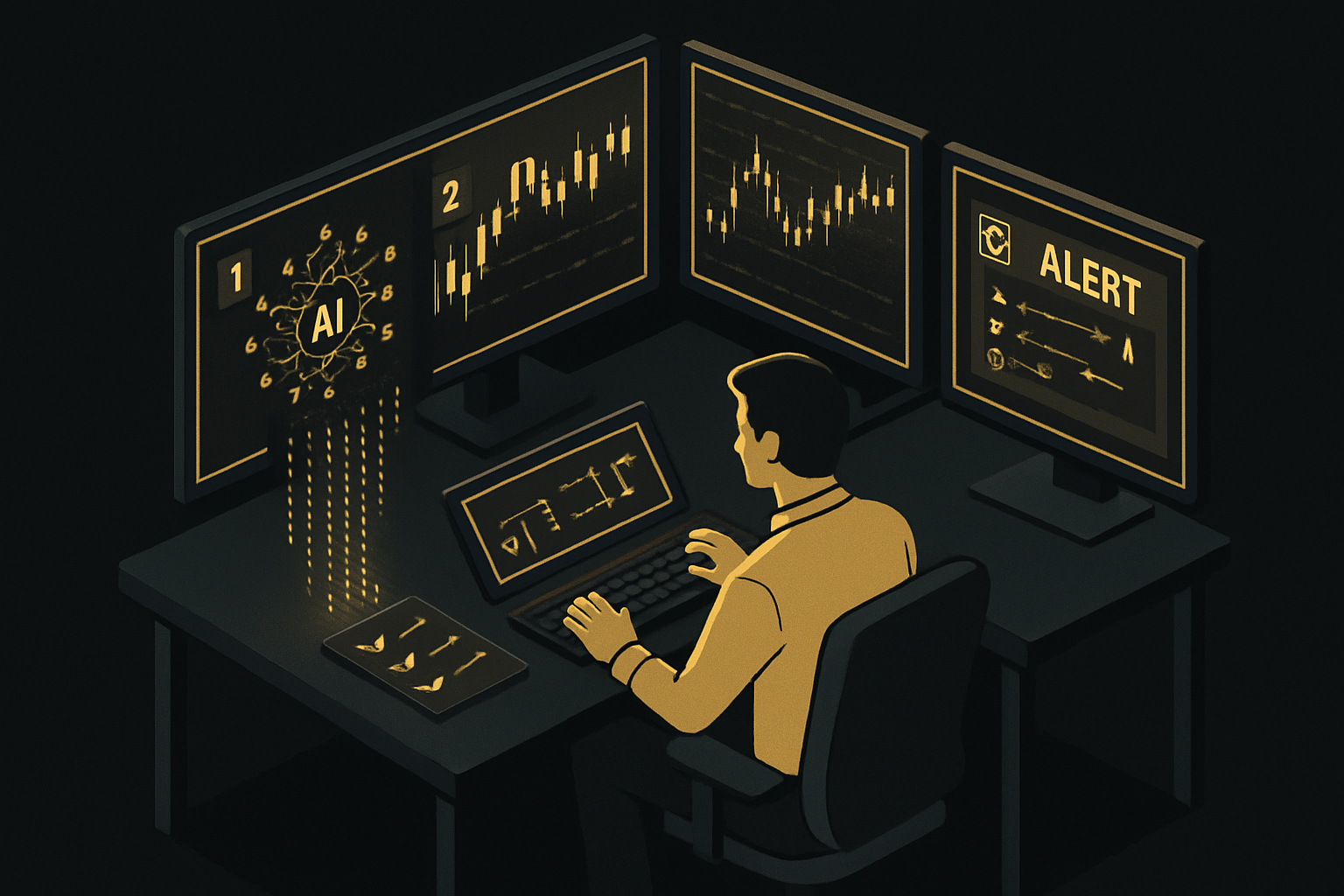
Navigating the landscape of ai and trading in 2025 requires both a strategic mindset and practical know-how. Whether you’re new to algorithmic trading or looking to sharpen your edge, following a structured approach is essential. Here’s your actionable, step-by-step guide to mastering ai and trading this year.
 AI Trading in 2025" />
Step 1: Understanding Your Trading Goals and Risk Profile
Before diving into the world of ai and trading, take a moment to clarify your personal financial objectives. Are you aiming for long-term growth, steady income, or hedging against market volatility? Knowing your targets will help you select the right AI tools and avoid mismatched strategies.
Next, honestly assess your risk tolerance. Some traders thrive on rapid market swings, while others prefer a steadier pace. Consider how much time you can realistically commit each day or week—ai and trading systems can automate much of the process, but oversight and adjustments are always needed.
- Define your investment goals (growth, income, hedging)
- Identify your comfort level with risk and volatility
- Decide how hands-on or automated you want your trading approach to be
By aligning your trading style with your objectives and risk profile, you lay a solid foundation for effective ai and trading.
Step 2: Choosing the Right AI Tools and Platforms
Selecting your toolkit is a critical step on the ai and trading journey. In 2025, both institutional-grade and retail-friendly platforms offer robust AI features. Focus on accuracy, reliability, and compatibility with your preferred assets—whether forex, stocks, crypto, or indices.
Look for platforms that support real-time data, customizable dashboards, and seamless integration with your brokerage. Multi-market support and instant trading signals are now standard. If you’re new, prioritize tools with strong customer support and lifetime updates.
Here’s a quick comparison table to help you evaluate:
| Criteria | Why It Matters | What to Look For |
|---|---|---|
| Accuracy | Reliable signals | Backtested performance |
| Asset Compatibility | Trade your preferred markets | Forex, crypto, stocks, indices |
| Ease of Use | Smooth learning curve | Intuitive UI, tutorials |
| Support & Updates | Ongoing value | 24/7 help, regular upgrades |
For a deeper dive into how signals drive automation, check out Signals in Trading Explained. This resource is especially helpful when evaluating platforms that promise real-time insights for ai and trading.
Step 3: Setting Up and Customizing AI Trading Systems
Once you’ve chosen your platform, it’s time to configure your ai and trading system. Most modern solutions integrate directly with popular platforms like TradingView, allowing you to layer AI-powered indicators, multi-timeframe dashboards, and custom alerts.
Personalization is key. Tailor your dashboards to display only the most relevant data—price movements, trend strength, or session liquidity. Set up instant notifications for your preferred trading signals. This ensures you never miss an opportunity or act on outdated information.
- Integrate with your brokerage and trading platform
- Customize dashboards: select timeframes, indicators, and visual cues
- Set personalized alerts for critical buy/sell signals
A well-configured ai and trading setup saves time, reduces stress, and boosts your confidence in every trade.
Step 4: Backtesting and Strategy Optimization
No ai and trading approach is complete without rigorous backtesting. Use historical market data to simulate your AI-powered strategy before going live. This step reveals how your system would have performed under real conditions, highlighting both strengths and weaknesses.
Avoid the trap of overfitting—where your strategy is too finely tuned to past data and fails in new market environments. Instead, aim for adaptability. Regularly update your AI models and parameters to reflect changing market conditions.
- Backtest strategies using at least several years of historical data
- Analyze win/loss ratios, drawdowns, and risk-adjusted returns
- Continuously optimize for changing markets
By prioritizing robust backtesting, you ensure your ai and trading system is built for both performance and resilience.
Step 5: Executing Trades and Monitoring Performance
With your ai and trading system ready, execution becomes seamless. Automated order placement ensures you never miss a market move, while real-time tracking lets you monitor every trade as it happens. Many platforms also offer performance dashboards, breaking down your profits, losses, and win rates.
Discipline is crucial. Trust your AI signals and avoid emotional decision-making. Keep a close eye on key metrics and adjust your strategies only when supported by data.
- Enable automated trade execution for speed and precision
- Monitor performance dashboards daily or weekly
- Adjust strategies based on clear evidence, not gut feelings
Remember, the best ai and trading results come from a balance of trust in automation and active oversight.
Step 6: Staying Informed and Adapting to Market Changes
The markets—and AI technology—never stand still. To stay ahead in ai and trading, make continuous learning a habit. Leverage AI tools for sentiment analysis, news tracking, and model updates to stay informed about shifts in market dynamics.
Join trader communities to exchange insights and troubleshoot challenges. Engage with expert support from your platform provider, and always be on the lookout for new AI features or compliance updates.
- Use AI for ongoing news and sentiment analysis
- Regularly retrain and update your models with fresh data
- Participate in online forums and leverage expert resources
By staying adaptable and proactive, you’ll maximize your success in the ever-evolving world of ai and trading.
Real-World Success Stories: AI in Action
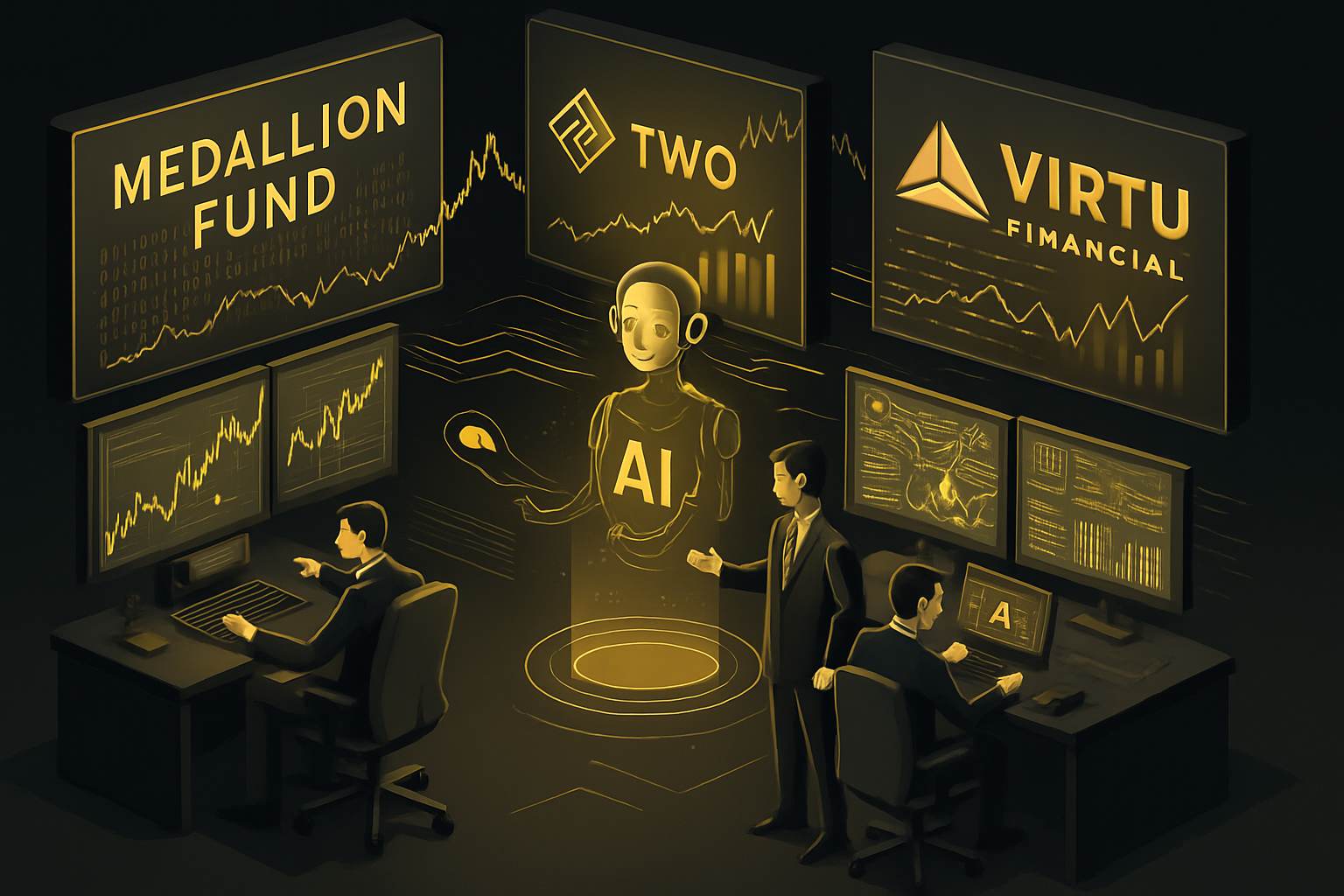
The world of ai and trading is best understood through real-life success stories. These trailblazing firms have set the gold standard for what’s possible when data science, machine learning, and relentless innovation converge in the financial markets.
The Medallion Fund (Renaissance Technologies)
Few names are as synonymous with ai and trading as Renaissance Technologies’ Medallion Fund. Founded by mathematician Jim Simons, Medallion is legendary for its use of sophisticated algorithms and continuous model evolution.
The fund’s data-driven approach—leveraging machine learning and statistical analysis—has delivered an astounding 66% average annual return (before fees) for three decades. Medallion’s secret? A relentless focus on exploiting market inefficiencies through advanced AI, constantly adapting its models as new data emerges.
This approach exemplifies how ai and trading can transform outcomes, as also evidenced by industry-wide statistics—AI adoption is rapidly accelerating in global equity markets, with profound impacts on performance and efficiency (AI in the Equity Industry Statistics).
Two Sigma Investments
Two Sigma Investments stands at the forefront of ai and trading innovation. Managing over $60 billion in assets, Two Sigma’s strength lies in its ability to process vast amounts of both structured and alternative data—including social media, weather reports, and satellite imagery.
By applying advanced machine learning, Two Sigma can detect subtle patterns and anticipate shifts in the market. Their strategies continuously learn from new information, allowing for smarter, faster decision-making.
This constant evolution of ai and trading strategies has allowed Two Sigma to consistently outperform market indices, proving the power of data-driven investment.
Virtu Financial
Virtu Financial is a global powerhouse in high-frequency ai and trading. Their systems execute thousands of trades per second, capitalizing on micro-opportunities that human traders would never spot.
Between 2009 and 2014, Virtu reported only one losing day out of 1,300—an almost unheard-of feat. The firm’s edge comes from robust risk management, relentless automation, and a deep commitment to technology-driven strategies.
Virtu’s story demonstrates how ai and trading can minimize losses, maximize efficiency, and create a true competitive advantage in today’s lightning-fast markets.
Key Takeaways for Retail Traders
What do these stories mean for individual investors exploring ai and trading? First, they prove that AI-driven strategies aren’t just for Wall Street giants—today’s technology is increasingly accessible for retail traders.
Key lessons include:
- Prioritize data-driven decision-making over gut instinct
- Continuously update and adapt trading systems as markets evolve
- Leverage AI tools for improved speed, accuracy, and consistency
By embracing ai and trading, retail traders can tap into strategies once reserved for elite institutions—unlocking new potential in the ever-changing financial landscape.
Benefits and Challenges of AI-Driven Trading Strategies
Artificial intelligence is reshaping how traders approach the markets. The intersection of ai and trading offers both remarkable opportunities and unique hurdles. Let’s break down the core benefits and challenges so you can navigate this evolving landscape with confidence.
Advantages of AI in Trading
The adoption of ai and trading strategies opens up unprecedented advantages for both seasoned professionals and retail investors. Here’s why AI-driven methods are gaining traction:
- Speed and Efficiency: AI systems process vast amounts of market data in milliseconds, enabling instant trade execution and real-time analysis. This is especially valuable for high-frequency and 24/7 trading environments.
- Accuracy and Objectivity: By removing emotional bias, ai and trading solutions deliver more objective, data-driven decisions than manual approaches. Algorithms spot patterns and anomalies that humans might miss.
- Cost Savings: Automation reduces the need for extensive research teams and manual monitoring. For example, Norway’s Oil Fund Targets $400mn Trading Cost Savings Using AI, showcasing how large institutions leverage AI for efficiency.
- Pattern Identification: AI excels at detecting subtle trends and market signals, even in noisy environments. This enables traders to act on opportunities that would otherwise go unnoticed.
- Accessibility: Advanced ai and trading tools are no longer exclusive to hedge funds. Today, retail traders have access to customizable platforms, real-time signals, and automated strategies.
- Automation: AI-based automation not only saves time but also improves consistency. Traders can focus on strategy rather than execution, letting algorithms handle repetitive tasks.
Here’s a quick comparison:
| Benefit | Description |
|---|---|
| Speed | Millisecond-level data processing and trade execution |
| Accuracy | Data-driven, emotionless decisions |
| Cost Savings | Lower research and operational expenses |
| Pattern Identification | Detection of subtle and complex market trends |
| Accessibility | AI tools available to all traders, not just institutions |
| Automation | Streamlined workflows and reduced manual intervention |
With ai and trading, even individual traders can compete on a more level playing field—provided they understand the tools and their limitations.
Challenges and Risks
Despite the transformative upside, ai and trading approaches carry significant challenges that traders must address. Being aware of these potential pitfalls is crucial for sustainable success.
- Data Quality and Overfitting: AI models rely on historical data, which may not always reflect future market conditions. Overfitting can lead to false signals and costly errors.
- Transparency and “Black Box” Algorithms: Many ai and trading systems are complex, making it difficult to understand how decisions are made. This lack of transparency can erode trust and make troubleshooting harder.
- Absence of Human Judgment: While AI is powerful, it can miss context—such as sudden geopolitical events or regulatory changes—that experienced traders might catch.
- Inaccuracies in Volatile Markets: Extreme conditions can expose weaknesses in AI models, leading to unexpected losses. Even advanced approaches like Deep Reinforcement Learning for Trading face these challenges.
- Personalization Limits: Standardized AI strategies may not align with every trader’s goals or risk tolerance. Customization is key, yet not always straightforward.
- Cybersecurity and Regulation: AI systems are attractive targets for cyber-attacks. Traders must also ensure compliance with evolving legal frameworks, as regulatory scrutiny on ai and trading continues to intensify.
Let’s summarize these risks:
| Challenge | Description |
|---|---|
| Data Quality | Reliance on accurate, relevant historical data |
| Transparency | Difficulty understanding AI-driven decisions |
| Human Judgment | AI may overlook unique or contextual factors |
| Model Inaccuracies | Vulnerable to extreme or unforeseen market events |
| Personalization | Strategies may not fit all trader profiles |
| Cybersecurity & Regulation | Exposure to hacking, data breaches, and legal risks |
Ultimately, mastering ai and trading means balancing these benefits and challenges, staying informed, and continuously adapting your approach.
Navigating the Regulatory and Ethical Landscape
The rapid evolution of ai and trading has captured the attention of global regulators. As trading algorithms and AI systems become more sophisticated, financial authorities are racing to keep up. In 2025, the regulatory landscape is more dynamic than ever, with new rules emerging to address transparency, accountability, and the ethical use of AI in the markets.
Global Regulatory Trends and Compliance in AI Trading
Across the world, agencies like the SEC in the US and SEBI in India are updating their frameworks to address the rise of ai and trading. These new regulations focus on transparency—requiring firms to document how AI models make decisions—and on accountability, ensuring that someone is always responsible for outcomes.
A recent push for data privacy means traders and firms must protect sensitive information at every stage. The table below summarizes how key regions are addressing these challenges:
| Region | Regulatory Focus | Compliance Emphasis |
|---|---|---|
| United States | Model transparency, accountability | Data privacy, audit trails |
| EU | Algorithmic fairness, explainability | GDPR, ethical AI use |
| Asia | Risk controls, real-time monitoring | Secure data handling |
With ai and trading now mainstream, compliance is not optional—it’s a core part of any successful trading strategy.
Ethics, Data Security, and Responsible AI Deployment
Ethical considerations are front and center in ai and trading. Regulators are demanding that AI models be free from bias and that they promote fairness across all market participants. This means rigorous testing for unintended consequences and ongoing monitoring to catch issues before they escalate.
Data security is also a top priority. As AI systems process massive amounts of financial and personal data, protecting this information from breaches or misuse is critical. Firms are investing in encryption, access controls, and continuous monitoring to secure their trading environments.
For those interested in how advanced AI models are shaping this landscape, An Application of Deep Reinforcement Learning to Algorithmic Trading provides a deep dive into both the opportunities and regulatory challenges presented by cutting-edge AI strategies.
Staying Ahead: Frameworks, Tips, and Best Practices
The regulatory and ethical landscape for ai and trading is constantly shifting. New frameworks and standards for AI accountability are being established worldwide. Traders and investors must stay informed and proactive to ensure compliance and ethical conduct.
Tips for navigating the landscape:
- Perform due diligence on all AI tool providers.
- Confirm that your platforms offer robust compliance features.
- Prioritize ethical trading practices—avoid shortcuts that could lead to regulatory trouble.
- Stay connected with industry updates and regulatory announcements.
By staying vigilant and embracing best practices, anyone involved in ai and trading can navigate this evolving landscape with confidence and integrity.
If you’re ready to put these AI strategies into action and truly master the markets in 2025, now’s the perfect time to take the next step. We’ve seen how the right tools—like real-time signals, instant alerts, and multi-timeframe analysis—make all the difference for confident, consistent trading. You don’t have to navigate this journey alone or rely on guesswork. With PipTrend’s AI-powered indicators, you can simplify your trading, stay ahead of trends, and focus on what matters most: making smart, winning decisions. Curious to see the impact for yourself? See Your Trading Improve With PipTrend