
Why do even the most intelligent traders find themselves making costly mistakes? The answer is not hidden in the charts, but rooted in trading psychology.
In 2026’s dynamic financial markets, mastering trading psychology is the real key to unlocking consistent profits. No matter how advanced your strategies are, your mindset will determine your long-term success.
This guide will take you inside the science of trading emotions. You will learn about the most common psychological pitfalls that trap traders, discover actionable strategies to strengthen your mindset, and gain step-by-step techniques to build lasting mental resilience.
Mindset is the hidden driver behind every trading outcome. As markets evolve with new technology and challenges, your psychological approach becomes even more critical.
Are you ready to outperform the average trader? Dive in and explore proven methods to master your trading psychology and take your trading to the next level.
Understanding Trading Psychology in 2026
Modern trading psychology stands at the intersection of emotion, discipline, and rapid technological change. In 2026, traders face unprecedented volatility and complexity, making it essential to understand not just the markets, but the mind behind every decision.
The Core of Trading Psychology
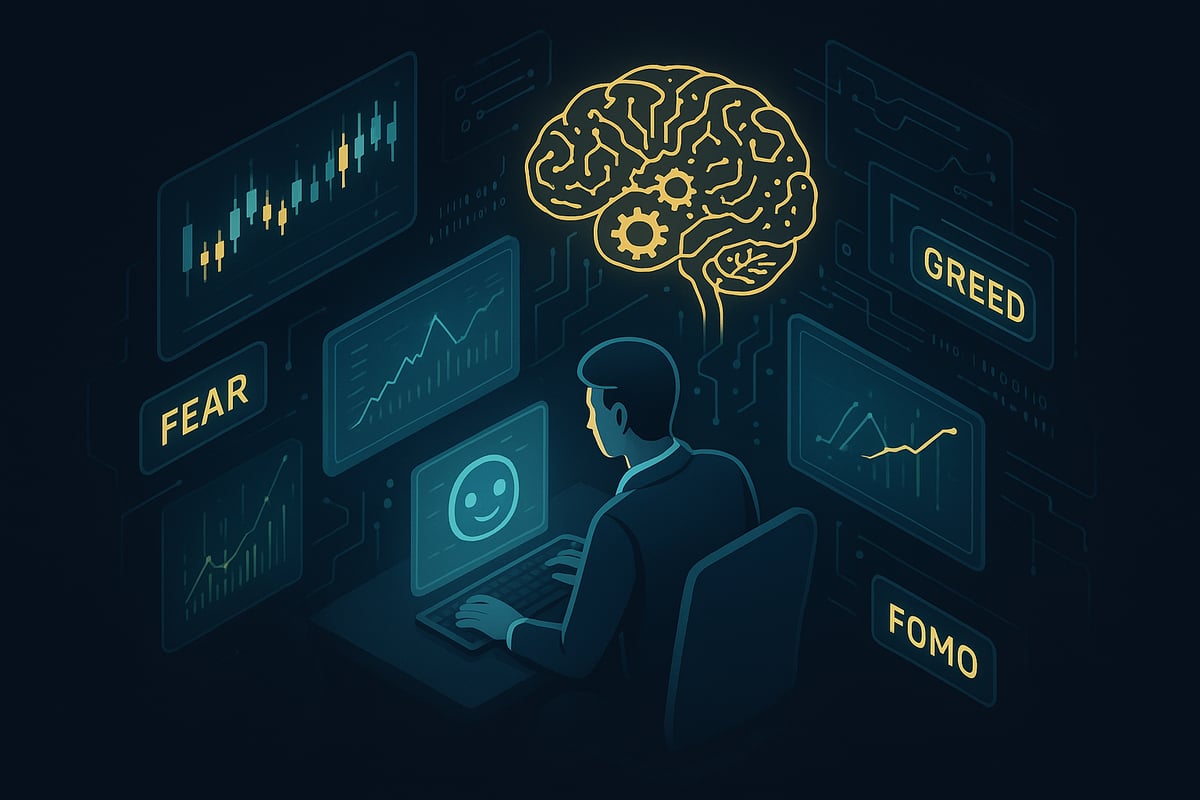
Trading psychology refers to the study of how emotions, cognitive biases, and mental habits shape trading decisions. Its significance has grown in 2026’s volatile, tech-driven markets, where even the smartest strategies can unravel without a disciplined mindset. As noted by Saxo Bank, “Emotions often drive investment decisions more than analysis.”
For example, a trader may exit a position too early out of fear, missing substantial gains. This illustrates that consistent success relies more on emotional discipline than on technical skill alone. With 61% of retail traders losing money due to psychological errors, awareness is the first step towards improvement in trading psychology.
Why Trading Psychology Matters More Than Ever
The pace of today’s markets is relentless, with information flooding in from countless sources. In 2026, AI and algorithmic trading amplify both the speed and complexity, challenging human psychology. Social media and real-time news intensify FOMO, making it harder to maintain composure.
Traders must now bridge the widening gap between knowing what to do and actually doing it amid data overload. Studies indicate that overtrading and impulsive decisions have surged in these fast-moving environments. Mastering trading psychology is fast becoming a defining edge, allowing individuals to process information quickly and act with calm precision.
Key Psychological Drivers in Trading
The core emotions that drive trading psychology are universal. These include:
- Fear: triggers premature exits and missed opportunities.
- Greed: leads to holding onto losing trades.
- Overconfidence: results in excessive risk-taking after wins.
- Regret: can cause hesitation and second-guessing.
- FOMO: prompts entry into overvalued assets.
For instance, overconfidence after a winning streak often leads to reckless trades. Both positive and negative emotions can cloud judgment, regardless of strategy. Data shows FOMO and herd mentality are leading causes of poor trades, emphasizing that recognizing these drivers is vital for control in trading psychology.
The Science Behind Trader Behavior
Behavioral finance explores the mental shortcuts and cognitive biases that shape trader behavior. Research highlights how stress alters decision-making, leading to errors like confirmation bias, where traders ignore evidence that contradicts their beliefs.
Other common pitfalls include the gambler’s fallacy and status quo bias, both of which can sabotage logical analysis. For a detailed overview, see Common Behavioral Biases in Trading & Finance. Self-awareness of these biases is a prerequisite for change, making it a cornerstone of trading psychology.
The Most Common Psychological Pitfalls for Traders
Trading psychology is often the silent force behind both triumph and failure in today’s markets. Even with advanced tools and detailed strategies, emotional and cognitive pitfalls can quietly erode a trader’s edge. Let’s examine the most common traps and explore how awareness of trading psychology can help you steer clear of costly mistakes.
Emotional Traps: Fear, Greed, and FOMO
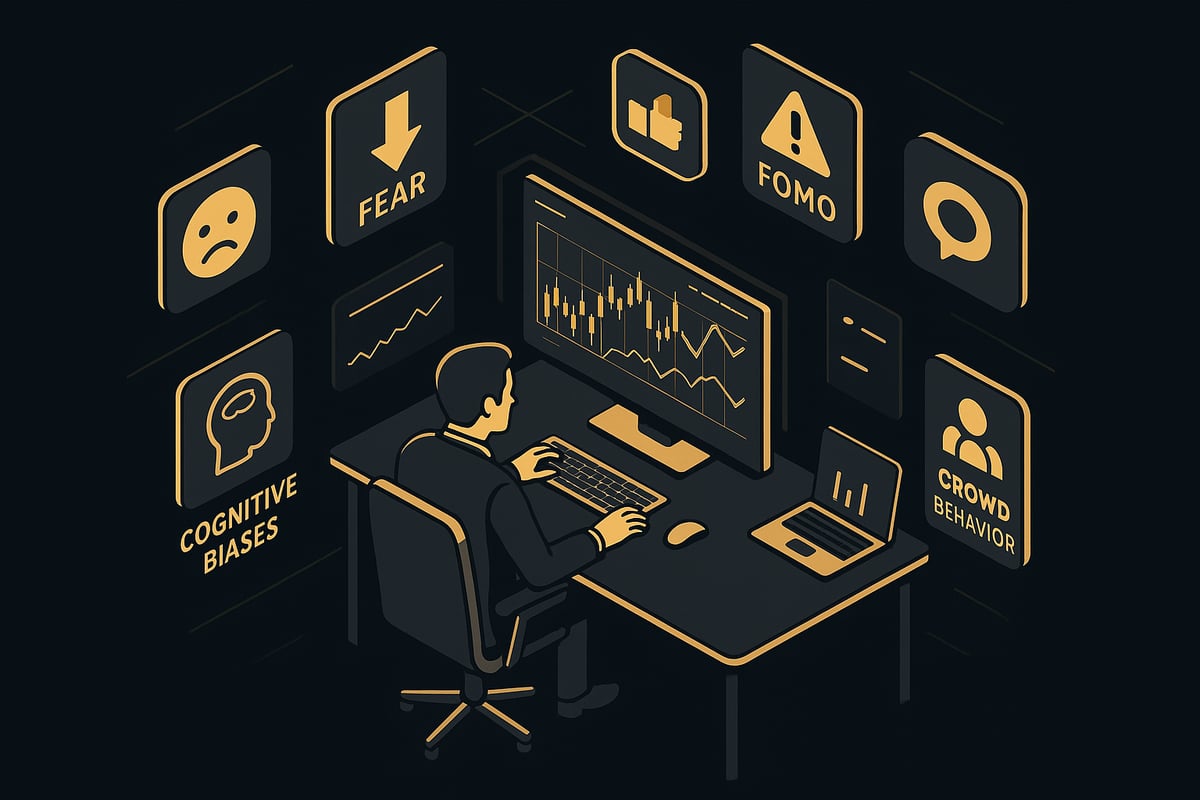
Emotions are at the core of trading psychology, shaping decisions often more than logic. Fear can lead to premature exits, causing traders to miss potential gains. Greed, on the other hand, tempts individuals to hold onto losing trades, hoping for a reversal that rarely comes. FOMO, fueled by rapid news cycles and social media, urges traders to buy overvalued assets at the worst moments.
Common emotional traps include:
- Panic selling after minor losses
- Overleveraging following a profitable streak
- Chasing trends without proper analysis
These emotional extremes disrupt consistency and make it difficult to follow a sound trading psychology framework. Recognizing emotional states in real time can drastically reduce impulsive errors.
Cognitive Biases That Distort Decision-Making
Cognitive biases are mental shortcuts that can undermine objective analysis. In trading psychology, confirmation bias leads traders to seek only information that aligns with their existing views. The gambler’s fallacy causes individuals to believe that past events influence future outcomes, while status quo bias keeps traders stuck in unprofitable routines.
Key biases include:
- Confirmation bias: ignoring contrary evidence
- Gambler’s fallacy: expecting a “win” after losses
- Status quo bias: resisting needed changes
Even experienced traders fall prey to these traps. Bias-driven decisions are a leading cause of avoidable losses, making self-awareness a critical skill in trading psychology.
Overtrading and Revenge Trading
Overtrading is a frequent pitfall, often driven by impatience or the need for action. Revenge trading, which occurs after a string of losses, involves taking larger or riskier trades to recover quickly. Both behaviors can rapidly drain an account and lead to emotional exhaustion.
Warning signs of overtrading:
- Placing trades out of boredom, not analysis
- Increasing position sizes after losses
- Trading outside established rules
Discipline and patience are central to healthy trading psychology. Setting clear rules and sticking to them can prevent the cycle of overtrading and emotional burnout.
Ignoring Risk Management and Stop-Losses
Ignoring stop-losses is a common mistake rooted in the fear of admitting a bad trade. Many traders hold onto losing positions, hoping for a turnaround, but this often magnifies losses and damages confidence. Proper risk management is as much a mental challenge as a technical one.
Risk management essentials:
- Always set stop-losses before entering trades
- Limit risk per trade to a small percentage of capital
- Accept small losses as part of the process
A strong trading psychology requires emotional detachment from individual trades. This mindset protects both capital and long-term performance.
Herd Mentality and Social Influence
Herd mentality occurs when traders follow the crowd, often during volatile market conditions or after seeing others’ success online. The urge to copy popular trades can lead to poor timing and missed opportunities. According to research on Influence of Upward Social Comparison on Retail Trading Behaviour, exposure to top-performing peers can increase risk-taking and trading frequency, sometimes undermining satisfaction and results.
Herd mentality triggers include:
- Viral social media trends
- High-profile “success stories”
- Fear of missing out on group gains
In trading psychology, developing independent thinking and sticking to a personal plan are critical. Relying on your own analysis, rather than the crowd, builds long-term confidence and consistency.
Step-by-Step Guide: Mastering Your Trading Mindset
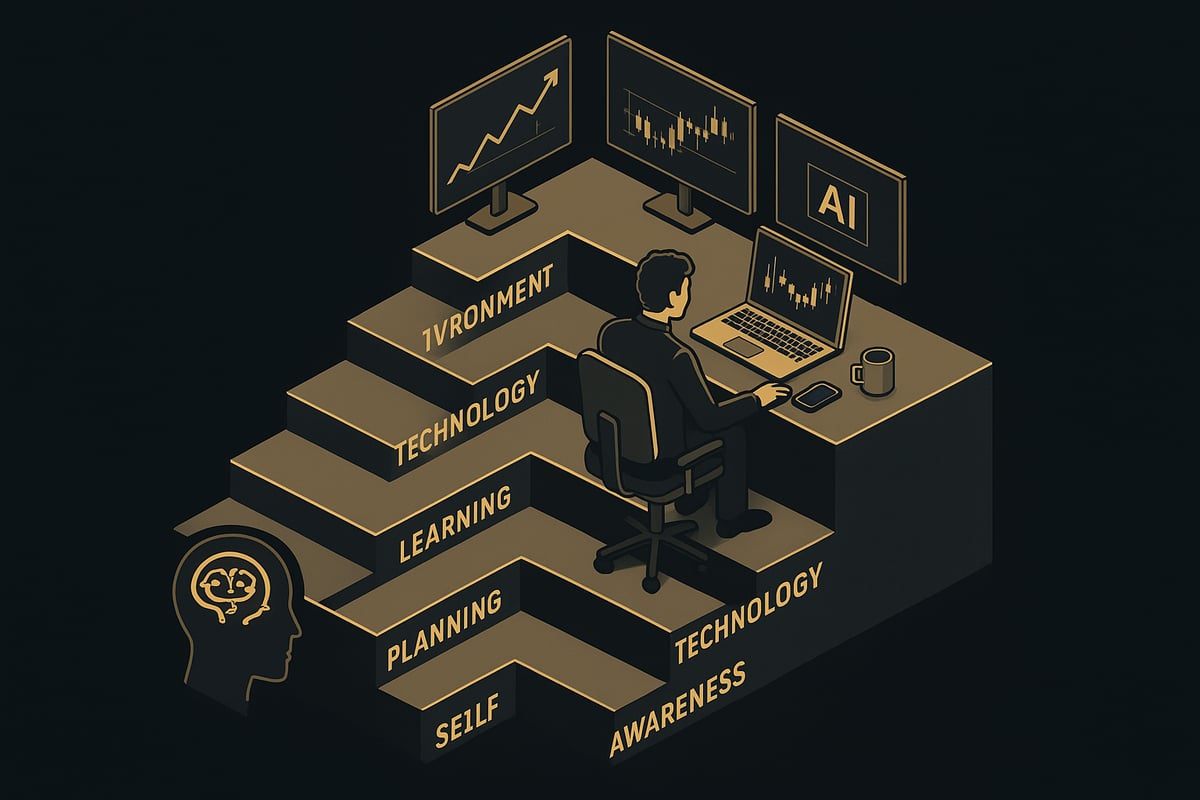
Achieving consistent success in trading requires more than technical skills and market knowledge. The true differentiator is mastering trading psychology, which means developing the mental discipline to manage emotions, stick to your plan, and adapt under pressure.
Below is a step-by-step guide to building a resilient trading mindset for 2026’s fast-paced markets.
Step 1: Build Self-Awareness and Emotional Intelligence
Self-awareness is the cornerstone of trading psychology. Begin each day by assessing your emotional state before you enter the market. Are you feeling anxious, overconfident, or distracted? These feelings can quietly influence your trading decisions.
Journaling is a powerful tool here. After every trade, jot down your thoughts and emotions. Over time, this habit reveals patterns in your trading psychology, such as repeated triggers for impulsive trades or hesitancy to act on signals.
- Reflect daily on your mindset
- Record emotional responses to wins and losses
- Identify recurring psychological triggers
Traders who prioritize self-awareness are better equipped to spot emotional reactions before they lead to costly mistakes. Remember, trading psychology is a skill you can develop with intention and practice.
Step 2: Develop a Personalized Trading Plan
A well-constructed trading plan is your anchor in the chaos of the markets. Define clear entry and exit rules, set risk/reward targets, and establish daily routines that support your goals.
Include pre-market rituals, such as reviewing your plan or using positive affirmations, to reinforce your trading psychology. Written plans serve as a safeguard against emotional decision-making, keeping you focused when volatility rises.
- Detail your strategy and risk limits
- Schedule regular plan reviews and adjustments
- Use checklists to maintain discipline
Structured trading plans lead to more consistent results. By refining your plan over time, you strengthen your trading psychology and reduce the likelihood of impulsive trades.
Step 3: Practice Patience and Adaptability
Patience is a hallmark of strong trading psychology. Wait for setups that align with your plan, resisting the urge to trade out of boredom or fear of missing out.
Adaptability is equally vital. Markets change, and so should your approach. Monitor your strategies’ effectiveness and adjust when conditions evolve.
- Wait for high-probability opportunities
- Avoid overtrading during slow periods
- Stay flexible and open to new information
Balancing patience with adaptability sharpens your trading psychology, helping you manage risk and seize genuine opportunities without emotional interference.
Step 4: Embrace Losses as Learning Opportunities
Losses are inevitable in trading, but how you respond defines your trading psychology. Instead of viewing losses as failures, treat them as valuable feedback.
Analyze losing trades to uncover patterns or mindset lapses. Did you abandon your plan? Were you influenced by fear or greed? This reflection strengthens your trading psychology and accelerates growth.
- Reframe losses as lessons
- Review each trade for emotional missteps
- Celebrate improvements, not just profits
A growth mindset is essential for resilient trading psychology. The best traders detach from individual losses and focus on long-term improvement.
Step 5: Implement Robust Risk Management
Effective risk management is both a technical and psychological discipline. Adhering to stop-losses, using proper position sizing, and setting risk limits protect your capital and reduce anxiety.
Never risk more than a predetermined percentage of your account on any single trade. Consistency in your risk rules is a hallmark of advanced trading psychology.
- Place stop-losses on every trade
- Limit risk per trade to manageable levels
- Review and refine risk parameters regularly
Poor risk management is a leading cause of trading failure. Make risk control a non-negotiable part of your trading psychology, not just a technical checkbox.
Step 6: Use Technology to Support Your Mindset
Modern trading tools can bolster your trading psychology by automating alerts, providing objective analysis, and minimizing emotional interference. Set up automated notifications for key price levels, so you are less tempted by impulsive trades.
Leverage AI-powered indicators to reinforce your trading plan. However, remember that technology is a supplement, not a substitute, for discipline.
- Use tools for alerts and order execution
- Automate repetitive processes to reduce mental fatigue
- Choose technology that aligns with your strategy
By letting technology handle routine tasks, you free up mental bandwidth for higher-level decision-making, strengthening your trading psychology.
Step 7: Cultivate a Supportive Trading Environment
Your surroundings directly impact your trading psychology. Create a workspace that minimizes distractions and promotes focus. Establish routines that signal the start and end of your trading sessions.
Engage with trading communities for accountability and support. Sharing experiences with peers can provide fresh perspectives and reinforce discipline.
- Keep your trading area organized and quiet
- Set daily rituals for mental preparation
- Connect with positive, like-minded traders
A supportive environment nurtures your trading psychology and helps you weather the emotional ups and downs of the markets.
How AI-Powered Tools Like PipTrend Support Trading Psychology
AI-driven trading indicators are transforming trading psychology by providing real-time, rule-based signals that reduce emotional bias. For example, PipTrend’s instant alerts and multi-timeframe analysis help traders avoid the temptation to overtrade or chase losses.
By delivering clear, objective buy and sell signals, PipTrend acts as a psychological anchor, keeping you disciplined even in volatile markets. According to many users, integrating AI and trading psychology tools into their workflow has led to improved confidence and fewer emotional mistakes.
Reliable technology like PipTrend gives traders a valuable edge in mastering trading psychology for 2026 and beyond.
Advanced Strategies for Building Mental Resilience
Building mental resilience is essential for thriving in the world of trading psychology. Advanced strategies give traders the tools to manage stress, maintain focus, and adapt to ever-changing markets. By integrating proven mental techniques, you can strengthen your foundation for consistent trading performance.

Mindfulness and Meditation for Traders
Mindfulness is a cornerstone of trading psychology. It helps traders observe their emotions without being swept away by them. By practicing daily meditation, you can reduce stress and sharpen your focus before each trading session.
Simple techniques, like mindful breathing or body scans, keep you present and grounded. These routines lower cortisol levels and enhance clarity, which is vital during volatile market swings. Top traders use mindfulness to remain calm and make rational choices.
Integrating mindfulness into your daily routine can make a measurable difference in your trading outcomes. Even five minutes of meditation can help reset your mindset and prepare you for high-stakes decisions.
Visualization and Mental Rehearsal
Visualization is a powerful tool in trading psychology. By mentally rehearsing how you will handle different market scenarios, you train your mind to respond calmly under pressure.
Picture yourself sticking to your stop-loss or letting a winning trade run. This mental exercise builds confidence and reduces performance anxiety. Athletes rely on visualization to boost results, and traders can achieve similar benefits.
Visualization prepares you for uncertainty and helps you execute your plan with discipline. Make it part of your daily preparation, and you will notice greater composure when real trades test your resolve.
Journaling and Performance Review
Journaling is a practical way to track your trading psychology and performance over time. By recording trades, emotions, and outcomes, you create a feedback loop for continuous improvement.
After each session, jot down what went well and where emotions influenced your choices. This process reveals patterns, such as recurring mistakes or emotional triggers. Reviewing your journal weekly turns it into a personal coach, helping you adjust strategies and mindset.
Research on Investor Emotions and Cognitive Biases in a Bearish Market Simulation highlights how documenting thoughts can reduce bias and increase discipline. Consistent journaling supports growth and accountability.
Building a Growth Mindset and Emotional Flexibility
A growth mindset is central to mastering trading psychology. It is the belief that skills and outcomes improve with effort and learning. Traders with this mindset view setbacks as lessons, not failures.
Emotional flexibility allows you to adapt quickly after losses or unexpected market shifts. This adaptability is linked to higher resilience and persistence. For instance, understanding concepts like loss aversion, as explored in Prospect Theory for Online Financial Trading, helps you reframe losses as opportunities for development.
Celebrate your progress and focus on learning, not just results. This approach makes it easier to bounce back and thrive in challenging markets.
Leveraging Community and Mentorship
No trader succeeds in isolation. Joining a community is invaluable for developing trading psychology and mental resilience. Online forums, mastermind groups, and mentorship programs offer feedback, support, and new perspectives.
Regular interaction with experienced peers accelerates your learning curve. Mentorship provides accountability and helps you avoid common pitfalls. Sharing experiences with others reduces isolation and boosts motivation.
Traders who engage with a supportive community are better equipped to handle stress and adapt to market changes. Seek out positive influences and make community involvement part of your ongoing development.
Trading Psychology Across Different Trading Styles
In the world of trading, one size never fits all. Trading psychology shapes how you respond to risk, uncertainty, and opportunity, yet the mindset required can vary dramatically by trading style and market. Let’s explore how psychological strengths and pitfalls manifest for day traders, swing traders, long-term investors, and even across asset classes.
Day Trading: Managing Intensity and Speed
Day trading demands rapid decision-making and unwavering focus. The fast pace can trigger adrenaline, stress, and impulsivity, testing the limits of your trading psychology. Managing losses and gains in seconds requires emotional discipline and strict adherence to rules. Overtrading is especially common among day traders, with the urge to “win back” losses leading to exhaustion.
To counteract these pressures, day traders benefit from micro-breaks, mindfulness, and tools that reinforce discipline. Many find that using structured indicators, such as those discussed in Best trading indicators for discipline, helps maintain consistency. Ultimately, a clear routine and self-awareness protect your mindset from burnout and rash decisions.
Swing Trading: Balancing Patience and Flexibility
Swing trading bridges short-term action and longer-term patience. This style tests trading psychology with its unique mix of waiting for trades to develop and resisting the urge to react to every price swing. Emotional control is essential to avoid premature exits during minor pullbacks or chasing after missed moves.
A disciplined, reflective approach is crucial. Reviewing your trades, journaling, and following expert swing trading mindset tips can help manage the emotional ups and downs of this style. Consistent application of trading psychology strategies enables swing traders to outperform those who act impulsively.
Position Trading: Long-Term Mindset and Endurance
For position traders, trading psychology is about patience and conviction. Holding positions for months or years means enduring market corrections and resisting the temptation to panic sell. The challenge often lies in managing boredom, staying engaged, and maintaining belief in your analysis despite market noise.
Regularly reviewing your thesis and tracking fundamentals supports psychological resilience. Emotional detachment and acceptance of slow progress are key. The best position traders rely on trading psychology to avoid status quo bias and make necessary adjustments without emotional interference.
Adapting Mindset for Different Asset Classes
Trading psychology also shifts based on the asset class. Forex, stocks, crypto, and indices each trigger different emotional responses. For example, crypto’s volatility can amplify FOMO and stress, while forex may challenge your adaptability with its round-the-clock market.
Understanding these nuances allows you to tailor your psychological strategies. Some traders find that using high-probability indicators or alerts helps manage emotional reactions in volatile assets. Adapting your mindset to the asset’s specific risks is essential for sustained performance.
Personality Traits and Trader “DNA”
Every trader brings a unique blend of traits, beliefs, and habits to the market—this is your “trader DNA.” For some, stubbornness leads to holding losing trades too long. For others, impulsivity results in overtrading. Self-awareness is the cornerstone of effective trading psychology.
There’s no universal formula. Assessing your own tendencies enables you to align strategy with personality. When your mindset matches your trading style, consistency and confidence follow. Personalization is the ultimate edge in trading psychology.
As you work on mastering your trading mindset for 2026, remember that consistent success comes from combining emotional discipline with the right tools. With markets moving faster and emotions running high, having real time, AI powered support can make all the difference. PipTrend is designed to help you make decisions with confidence by providing clear buy and sell signals—removing much of the guesswork and stress from your trading routine. If you’re ready to put these psychological strategies into practice and see measurable results, See Your Trading Improve With PipTrend.