
Volatility is the heartbeat of the modern market. Are you ready to trade its pulse in 2025 using the vix future?
This guide is designed to demystify the vix future, giving traders like you the tools and confidence to navigate and profit from volatility.
Inside, you'll find everything you need: the basics of the VIX, how vix futures work, proven trading strategies, risk management tips, a 2025 market outlook, and the best tools for volatility trading.
With volatility trading gaining new relevance, the opportunities—and risks—have never been greater. This guide offers actionable insights and strategies so you can thrive.
Dive in and leverage these insights to trade volatility smarter in 2025.
Understanding the VIX Index and Volatility
Volatility is a constant companion in the financial markets, and the VIX Index is its most recognized measure. To truly master vix future trading, you need to understand what the VIX represents, how volatility shapes the markets, and what’s likely to drive price swings in 2025.
What is the VIX Index?
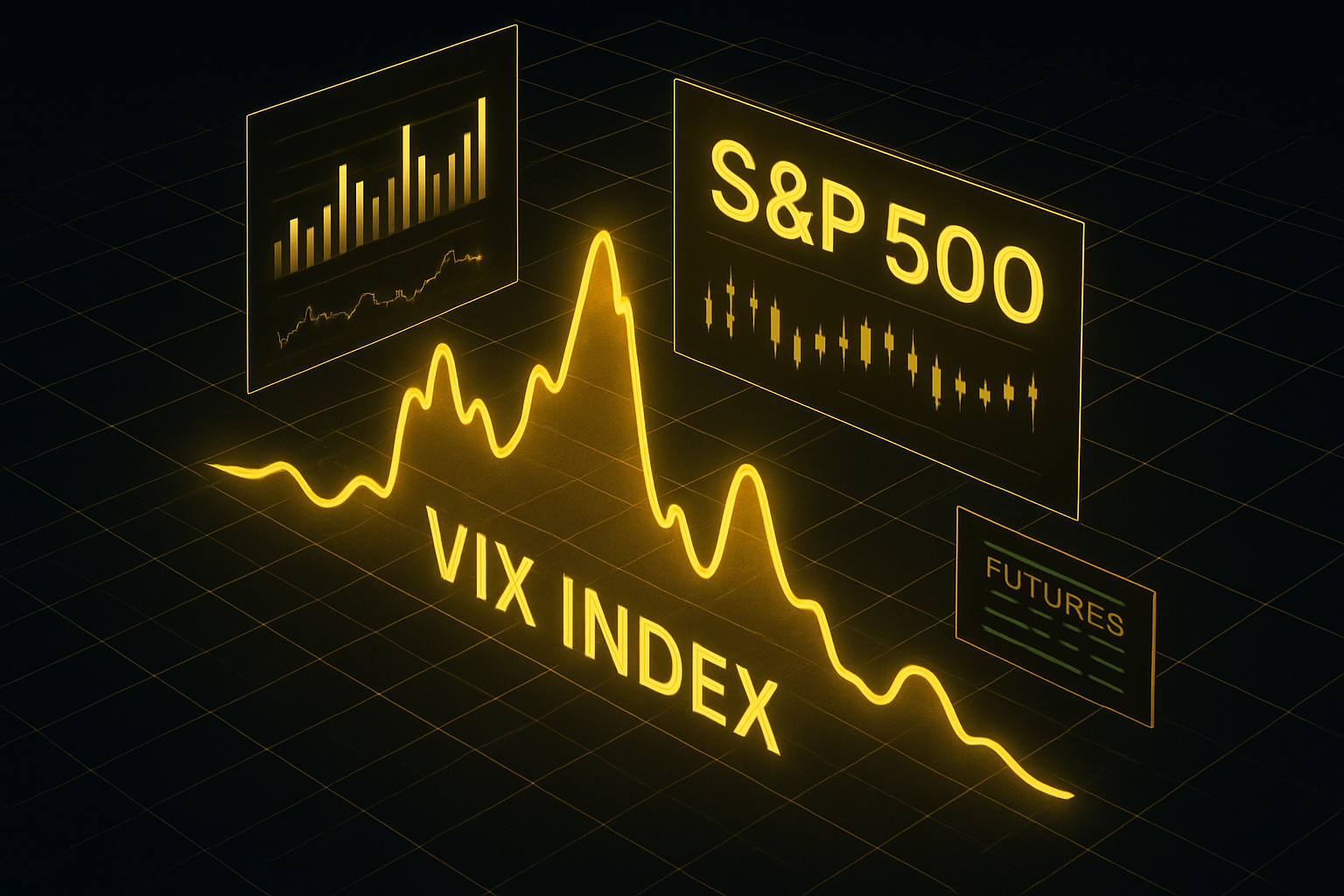
The VIX Index, often called the "fear gauge," measures the market’s expectation of 30-day volatility for the S&P 500, using options pricing. Created by Cboe in 1993, it has evolved into a critical benchmark for volatility-based products, including vix future contracts.
The VIX is essential for risk assessment, especially during crises. For example, the VIX spiked above 80 in March 2020 amid the COVID-19 crash, far above its long-term average around 19. Its historical highs and lows often reflect extreme investor sentiment.
If you’re new to volatility or index products, exploring index trading fundamentals can help you understand the broader context in which vix future operates.
The Role of Volatility in Financial Markets
Volatility reflects uncertainty and risk. When volatility rises, asset prices can swing wildly, impacting both short-term trades and long-term portfolio returns. For vix future traders, understanding these swings is crucial.
Volatility tends to move inversely with equities; when stocks fall, the VIX and related products often surge. Both institutional and retail traders use volatility metrics to hedge portfolios or spot opportunities. For instance, during earnings season or geopolitical shocks, investors might use vix future contracts to protect gains or speculate on sharp moves.
Volatility isn’t just noise—it can signal upcoming market corrections or reversals.
Key Drivers of Volatility in 2025
Several forces are set to shape volatility in 2025, directly influencing vix future prices:
- Macro factors: Persistent inflation, shifting interest rates, and ongoing geopolitical tensions.
- Micro factors: Corporate earnings surprises, sector rotations, and major company news.
- Technology: Algorithmic trading, AI, and high-frequency trading can amplify short-term swings.
- Regulation: New rules or oversight may change how volatility is expressed in the markets.
Recent years have shown how quickly the VIX can react to breaking news. Looking ahead, traders should watch for these trends to anticipate shifts in vix future markets.
Interpreting VIX Readings for Traders
High VIX readings often signal fear and the potential for sharp market declines, while low levels suggest complacency. In bull markets, VIX typically ranges from 10–20; in bear markets, it can spike well above 30.
Traders use VIX levels to time entries in vix future contracts, aiming to profit from market reversals. For example, a sudden rise in the VIX might precede a sell-off, giving savvy traders an edge. However, it’s important to note the VIX does not guarantee direction—misinterpretations can lead to costly mistakes.
Historically, the VIX and S&P 500 have shown a strong negative correlation, but divergences do occur. Understanding these nuances is vital for any vix future strategy.
VIX Futures: Structure, Mechanics, and Market Function
Navigating the world of vix future products means understanding how these unique contracts function. VIX futures let traders speculate on or hedge against future volatility, offering a way to tap into market sentiment before it unfolds. Let's break down what makes the vix future market tick, how contracts are structured, and the risks every trader needs to know.
How VIX Futures Work
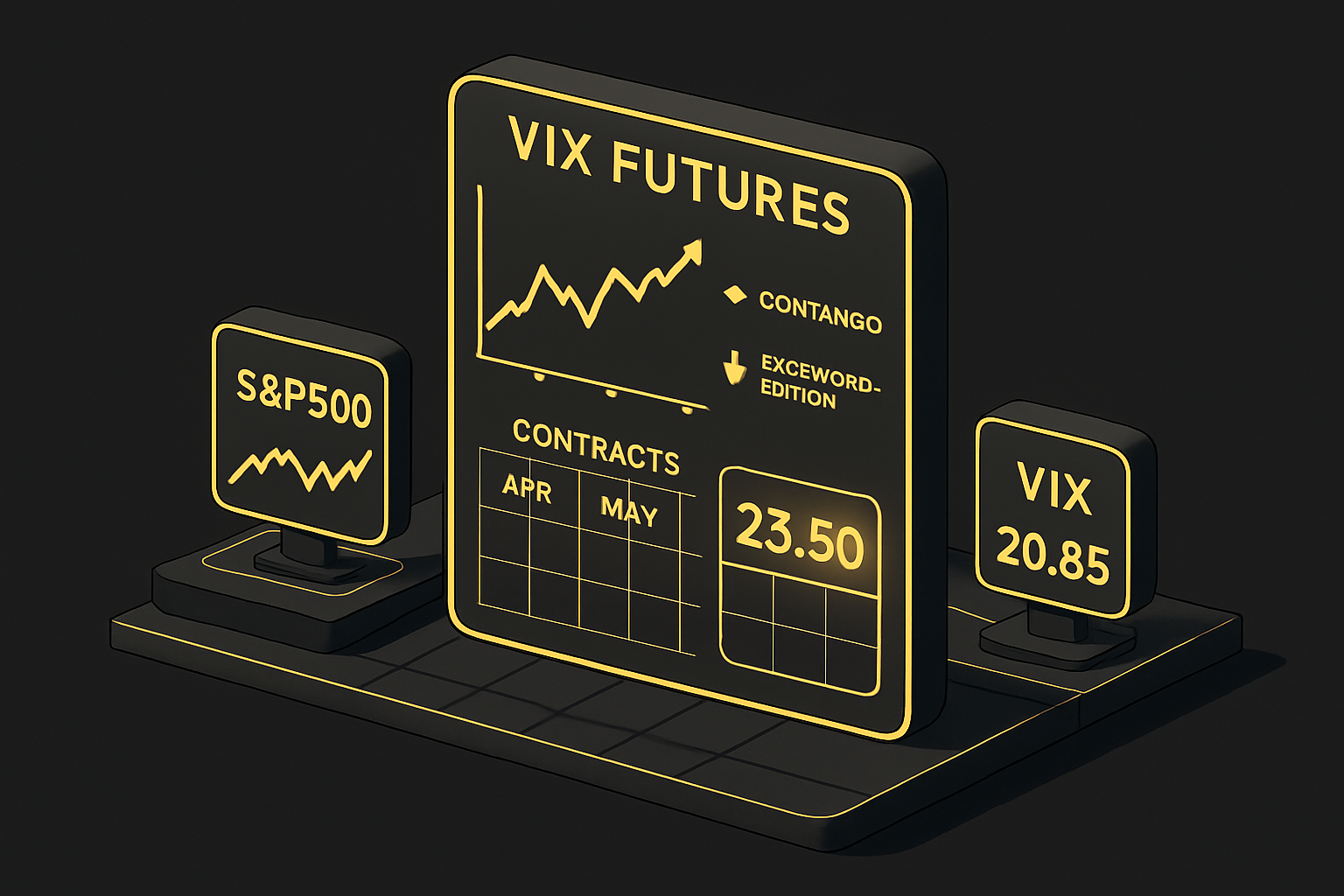
A vix future is a standardized contract that allows traders to buy or sell the expected value of the VIX index at a specific date in the future. Unlike the spot VIX, which reflects real-time volatility expectations, vix future contracts are settled in cash upon expiration. These contracts are traded on the Cboe Futures Exchange, and their prices often differ from the current VIX index due to supply, demand, and market outlook.
For example, a typical vix future contract represents $1,000 times the VIX value. The roll yield—gains or losses from moving positions from one contract to the next—can be significant, making buy-and-hold strategies risky. For more on how these contracts fit into broader volatility strategies, see this detailed Trading Volatility with VIX Derivatives guide.
Contract Specifications and Trading Hours
VIX futures come in two main sizes: the standard contract and the mini VIX future, which is 1/10th the size. Standard contracts have a notional value of $1,000 times the VIX, while minis lower the barrier for smaller traders. Both types have monthly expirations, typically on Wednesdays 30 days before the next S&P 500 options expiration.
Minimum tick sizes are 0.05 index points for standard contracts. Margin requirements vary by broker but are typically set as a percentage of notional value. Trading hours run nearly 24/5, with the most liquidity during U.S. market hours. Open interest and volume for vix future products surged in 2023–2024, especially for mini contracts, reflecting growing retail participation.
Pricing, Term Structure, and Contango/Backwardation
VIX futures are priced based on the market's consensus of where the VIX index will settle at contract expiration. This creates a "term structure," where near-term vix future prices can be lower or higher than those further out. When longer-dated contracts are more expensive than near-term ones, the market is in contango—a common state for VIX futures.
In backwardation, near-term contracts trade above those further out, often during market stress. The mean-reverting nature of volatility means that vix future prices tend to move toward the spot VIX as expiration nears. Traders often use calendar spreads to profit from shifts in the term structure, capitalizing on historical patterns where contango dominates most months.
| Feature | Contango | Backwardation |
|---|---|---|
| Near-term Price | Lower than far-term | Higher than far-term |
| Market Mood | Calm, complacent | Uncertainty, stress |
| Common Months | Most of the year | During crises |
Relationship Between VIX Futures and the S&P 500
There is a strong inverse relationship between the vix future and the S&P 500. When stocks fall sharply, VIX and its futures tend to rise, reflecting increased market fear. However, vix future contracts don't always move in lockstep with the spot VIX due to pricing lags and term structure effects.
For instance, during the 2022–2023 volatility spikes, VIX futures jumped but not always as dramatically as the index itself. This divergence can create opportunities but also traps for traders expecting perfect correlation. Historical data shows correlation coefficients between daily VIX and S&P 500 returns often exceed -0.75, but futures contracts may lag during rapid market moves.
Risks and Considerations in VIX Futures Trading
Trading vix future products comes with unique risks. High leverage means gains and losses can be magnified, especially if the market moves quickly against your position. Liquidity risks are more pronounced in mini contracts, where bid-ask spreads can widen during off-hours.
Tracking error is another concern, as vix future values may not perfectly match spot VIX at settlement. Regulatory changes or sudden shifts in margin requirements can also impact positions. History is full of lessons—such as the 2018 "volmageddon," where leveraged volatility products suffered massive losses—highlighting the need to fully understand contract mechanics before trading. Always use prudent risk management and stay informed about rule changes impacting the vix future market.
Core Strategies for Trading VIX Futures in 2025
Navigating the world of vix future trading requires a deep toolkit. Whether you're hedging, speculating, or arbitraging, success hinges on matching the right strategy to current market dynamics. Let’s break down the core approaches for 2025.
Hedging Equity Portfolios with VIX Futures
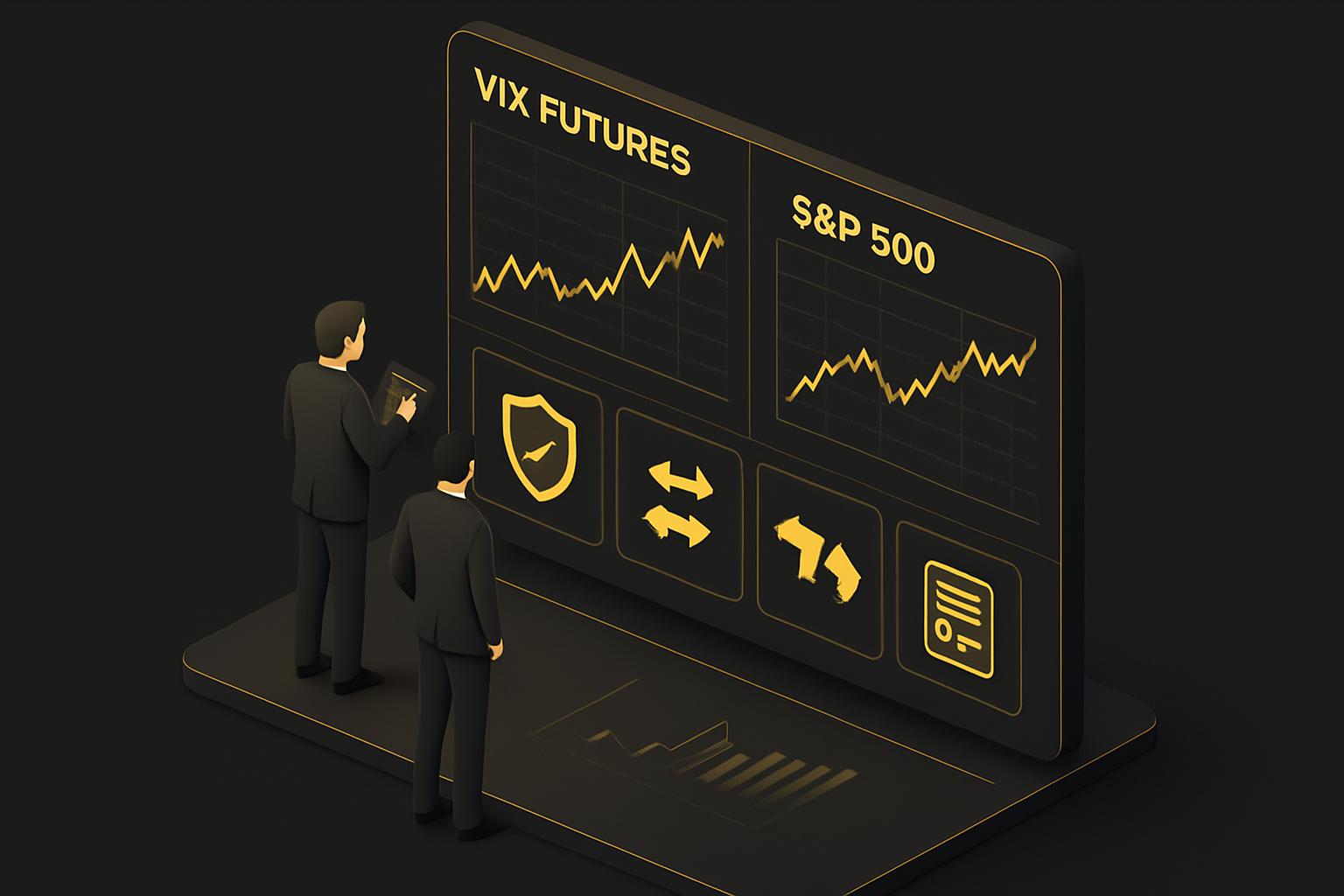
Protecting a portfolio during turbulent markets is a top priority. A common approach is to use a vix future contract as insurance against sharp equity declines. When uncertainty rises—say, during earnings season or before critical economic data—traders often go long vix future contracts.
To hedge effectively, calculate your portfolio’s sensitivity to volatility. For instance, if a $100,000 equity position could drop 10% in a correction, a single vix future may offset several thousand dollars of loss, depending on contract value and VIX levels.
Keep in mind:
- The vix future is an imperfect hedge; correlation isn’t always exact.
- Proper position sizing is vital to avoid over- or under-hedging.
- Timing your hedge matters—a late entry may reduce its effectiveness.
Volatility Arbitrage and Relative Value Trades
Arbitrageurs thrive on the dislocation between implied and realized volatility. A classic vix future strategy is the calendar spread: buying one expiration and selling another to capture shifts in the term structure.
Relative value trades might include pairing vix future contracts with S&P 500 futures, exploiting their typical inverse relationship. For example, if the VIX term structure is steeply in contango, traders may short near-term vix future contracts and go long further-out contracts, profiting as the spread narrows.
Quick checklist:
- Monitor the spread between expirations.
- Use historical risk premium data to identify opportunities.
- Watch for mean reversion, which can quickly erode gains.
Directional Long/Short Volatility Plays
Taking a directional stance on volatility is both risky and rewarding. If you anticipate a market shock—like a major Fed announcement—going long a vix future can yield outsized returns if volatility spikes.
Conversely, during periods of market calm, shorting a vix future may allow you to profit as volatility declines. However, these trades demand strict discipline. Use stop-losses and position limits to manage exposure.
Example scenarios:
- Long vix future before anticipated geopolitical events.
- Short vix future when markets are complacent and VIX is elevated.
- Adjust positions as new information hits the market.
Advanced Strategies: Rolling, Spreads, and Options on VIX Futures
Sophisticated traders use advanced tactics to squeeze more from vix future trades. Rolling contracts just before expiration helps avoid settlement quirks and decay. Spreads—like diagonals or butterflies—allow you to play the shape of the volatility curve.
Options on vix future contracts further expand your toolkit, offering leveraged bets on volatility direction or magnitude. For practical insights, review this VIX Futures Trading Strategy Backtest to see how these strategies have performed historically.
Key points:
- Rolling reduces exposure to settlement risk.
- Spreads can profit from changes in volatility term structure.
- Options add flexibility but require careful risk assessment.
Common Mistakes and How to Avoid Them
Many traders trip up by misunderstanding the mechanics of a vix future. Overleveraging is a frequent pitfall—margin calls can wipe out accounts rapidly. Another error is ignoring the effects of mean reversion or holding contracts through expiration, which may cause tracking errors.
To avoid these mistakes:
- Always monitor margin requirements.
- Avoid holding vix future contracts into expiration unless necessary.
- Stay alert to term structure shifts.
- Use stop-losses and keep position sizes reasonable.
Learning from past volatility product blowups is essential. Caution and discipline separate winners from losers.
Tools and Resources for VIX Futures Traders
Success with vix future trading demands the right resources. Real-time data from Cboe or Barchart is essential for tracking live prices and open interest. Analytical platforms provide volatility modeling and backtesting capabilities.
Useful tools:
- Volatility dashboards for decision-making
- Backtesting suites for strategy validation
- Educational content for ongoing learning
Staying updated on market news and regulatory changes is crucial. The best traders are always learning and adapting.
The Evolving Landscape: VIX Futures Market Trends and Outlook for 2025
Recent Performance and Market Growth
The vix future market has experienced significant growth from 2022 to 2024. Both volume and open interest have surged, especially during periods of heightened volatility. Mini VIX contracts, introduced to attract retail traders, have seen rapid adoption.
Below is a summary table of recent trends:
| Year | Avg. Daily Volume | Open Interest | Mini Contracts Share |
|---|---|---|---|
| 2022 | 300,000 | 350,000 | 8% |
| 2023 | 370,000 | 420,000 | 15% |
| 2024 | 410,000 | 460,000 | 22% |
During the 2022 market volatility spike, vix future trading volumes reached record highs, highlighting the product’s growing relevance for both institutional and retail participants.
Regulatory and Structural Changes Impacting VIX Futures
Recent years have brought notable regulatory updates to the vix future landscape. Margin requirements have been reviewed and adjusted, aiming to enhance market stability. Reporting standards have also tightened, increasing transparency for all traders.
New product launches, such as mini VIX and options on VIX futures, have broadened access. The CFTC and Cboe have introduced rules impacting contract specifications and trading practices.
For traders, staying informed about these regulatory milestones from 2023 to 2024 is crucial. Changes in compliance can affect trading strategies and risk management in the vix future market.
Influence of Technology and AI on Volatility Trading
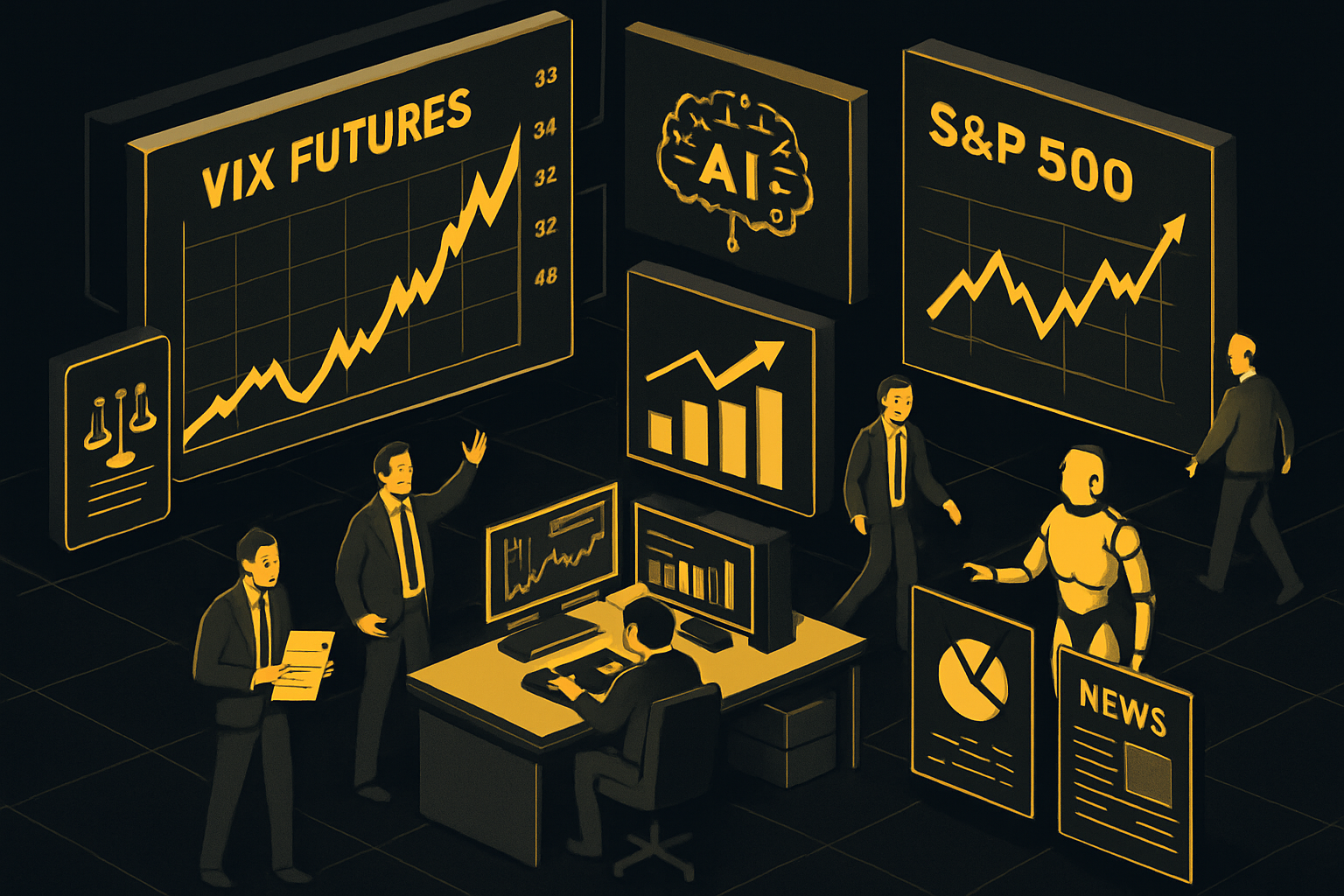
Technology is transforming how traders interact with the vix future market. Algorithmic and AI-driven strategies now account for a growing share of trading volume. High-frequency trading enhances liquidity but can amplify short-term price swings.
AI-powered platforms help forecast volatility trends, giving traders a competitive edge. In recent data, automated trading contributed to over 40% of vix future transactions. These advancements are reshaping execution speed, order flow, and risk assessment.
Understanding these technological shifts is essential for anyone navigating the evolving vix future ecosystem in 2025.
Global Events and Macro Trends Shaping Volatility
Major global events continue to influence the vix future market. Geopolitical tensions, inflation fluctuations, and policy changes drive sudden volatility spikes. Anticipated events such as elections or central bank meetings can trigger large moves.
For example, the VIX typically surges around Federal Reserve announcements or unexpected geopolitical crises. Reviewing historical vix future reactions to such events helps traders prepare for similar scenarios in 2025.
Monitoring macroeconomic data and news is vital for timely decision-making in the vix future market. For additional context, the S&P 500 futures chart offers insights into related market movements.
Future Opportunities and Risks for VIX Futures Traders
Looking forward, the vix future market presents both new opportunities and unique risks. Emerging products and global volatility indices could create fresh trading avenues. However, past volatility product blowups remind us of the risks tied to leverage and liquidity.
Key skills for 2025 include adaptability, strong risk controls, and a willingness to learn from history. Studying advanced strategies, such as those detailed in VIX Options Trading Strategies, can help traders stay ahead.
Ultimately, success in the vix future landscape will depend on continuous education, sound strategy, and disciplined execution.
Step-by-Step Guide: How to Get Started with VIX Futures Trading
Getting started with vix future trading can seem daunting, but breaking it down into clear steps makes the process much more approachable. Here’s a practical guide to walk you through each phase, from understanding your risk to executing your first trade.
Step 1: Assess Your Risk Tolerance and Trading Goals
Before diving into vix future trading, evaluate your risk appetite and clarify your objectives. Are you looking to hedge an existing portfolio, speculate on volatility swings, or generate additional income?
Use online risk assessment tools to gauge your comfort with market fluctuations. Set clear trading goals—do you prefer active trading or a more passive, hedging approach? This self-knowledge is essential, as vix future products can be volatile and require discipline.
Consider keeping a trading journal to track your mindset and refine your plan over time. Remember, knowing your limits helps avoid emotional decisions and common pitfalls in the vix future market.
Step 2: Open and Fund a Futures Trading Account
The next step in your vix future journey is to select a broker that offers access to Cboe-listed volatility products. Choose between account types like individual, institutional, or retirement, depending on your needs.
Understand the margin requirements for vix future contracts and ensure your account is properly funded. Most brokers provide a straightforward application process—fill out the necessary forms, submit identification, and transfer funds.
If you’re new to trading, consider reviewing a Trading for beginners guide to familiarize yourself with the basics before committing capital. Being thorough at this stage sets a strong foundation for your vix future trading experience.
Step 3: Learn the Mechanics and Tools
Mastering the mechanics of vix future contracts is crucial. Study contract specifications, settlement procedures, and expiration cycles. Familiarize yourself with trading platforms—practice order entry, monitor open positions, and use risk management features.
Explore educational resources and demo accounts to gain hands-on experience without risking real money. Analytical dashboards and technical indicators enhance your decision-making process.
To deepen your knowledge, check out this Trading indicators overview, which covers vital tools for analyzing volatility and refining your vix future strategies. The right tools can make all the difference in a fast-moving market.
Step 4: Develop and Backtest a Trading Strategy
A well-crafted strategy is the backbone of successful vix future trading. Start by defining your rules for entries, exits, and risk management. Use historical vix future data to backtest your ideas—this helps identify strengths and weaknesses before risking capital.
Experiment with different approaches, such as calendar spreads or directional trades, adjusting for market conditions. Keep your strategy flexible, as volatility patterns can shift rapidly.
Document your findings to build confidence in your approach. Remember, backtesting is not a guarantee of future results, but it’s a critical step for any vix future trader aiming for consistency.
Step 5: Execute, Monitor, and Adjust Your Trades
Once your plan is set, execute your first vix future trade with care. Start small as you gain confidence. Continuously monitor market news, volatility spikes, and economic events that could impact your positions.
Use stop-losses and position limits to protect your account from sharp moves. Review your trades regularly, analyze what worked, and refine your approach as you gain experience.
Staying disciplined and flexible is key to thriving in the vix future market. With each trade, your skills and understanding will grow, paving the way for long-term success in volatility trading.
Ready to put your new VIX futures knowledge into action? Navigating volatility in 2025 doesn’t have to be overwhelming—we’ve covered the strategies, risks, and tools you need to trade with confidence. If you want an edge in spotting opportunities and making smarter decisions, it’s worth having technology on your side. With PipTrend’s real-time signals and clear alerts, you can cut through the noise and react quickly, no matter what the market throws your way. Why not see the difference for yourself? See Your Trading Improve With PipTrend