
Day trading is evolving at a pace never seen before. In 2026, traders face lightning-fast markets, complex algorithms, and a constant stream of global news. Navigating this environment requires more than intuition—it demands the best day trader indicators to cut through the noise and reveal real opportunities.
This article uncovers the 9 game-changing best day trader indicators set to redefine trading in 2026. Each indicator offers unique advantages, from AI-driven insights to real-time trend analysis, empowering both new and seasoned traders to make smarter, faster decisions.
Get ready to discover the tools that can elevate your trading results. Explore how these innovations can boost your awareness, spark your interest, fuel your desire for improved outcomes, and inspire you to take action by integrating these indicators into your daily strategy.
Why Indicators Matter for Day Traders in 2026
The trading world is changing fast. Day traders in 2026 face a landscape unlike any before. Understanding the best day trader indicators is now essential, not optional. Let’s explore why indicators are more crucial than ever in this new era.
The Shifting Landscape of Day Trading
Day trading in 2026 is defined by rapid change. Increased market volatility and lightning-fast price swings challenge even experienced traders. The rise of algorithmic and high-frequency trading means that human traders must react faster than ever.
Access to global markets is now seamless, with 24/7 trading across forex, stocks, and crypto. Retail traders are flooding in, empowered by social trading platforms. Economic and geopolitical events ripple through intraday price action, making the best day trader indicators vital for navigating uncertainty.
The Role of Indicators in Modern Trading
Technical indicators act as a trader’s compass. They filter out market noise and highlight actionable signals, helping traders cut through confusion. The best day trader indicators strike a balance between lagging and leading data, offering timely insights without overwhelming the user.
Multi-timeframe analysis is standard practice, as traders seek confirmation across charts. For example, using a combination of indicators can transform a mediocre trade into a high-probability setup. In fact, 72% of active day traders use at least three technical indicators according to Statista (2023). For a deeper dive, see the Best indicators for day trading.
Key Features to Look For in 2026’s Best Indicators
What sets the best day trader indicators apart in 2026? First, real-time responsiveness is non-negotiable. Low-latency signals can mean the difference between profit and loss.
AI and machine learning integration offer smarter, adaptive tools. Customizability ensures compatibility with popular platforms and individual trading styles. Comprehensive alert systems and intuitive interfaces support fast decision-making. The best indicators now handle multiple asset classes, from forex to crypto, meeting traders’ diverse needs.
| Feature | Importance in 2026 |
|---|---|
| Real-time signals | Critical |
| AI integration | Highly valuable |
| Customizability | Essential |
| Multi-asset support | Necessary |
| User-friendly interface | Must-have |
Common Pitfalls with Traditional Indicators
Despite their benefits, old-school indicators can trip up traders. Overfitting and curve-fitting are common risks, leading to unreliable signals. In highly volatile or range-bound markets, false signals can multiply, making the best day trader indicators even more important.
Lagging indicators may cause missed opportunities, while too many indicators create information overload. Analysis paralysis is a real threat. Consider the case of a trader who relied on outdated tools and suffered losses during a sudden market reversal. The lesson is clear: modernize your toolkit with the best day trader indicators.
The Evolution of Indicator Technology
Indicator technology has evolved rapidly. Manual tools have given way to automated, AI-driven solutions. Cloud-based and mobile-friendly platforms put powerful analytics at every trader’s fingertips.
Community feedback shapes new features, while collaborative development ensures that indicators stay relevant. This evolution makes the best day trader indicators more effective, accessible, and adaptable to future market changes.
9 Game-Changing Best Day Trader Indicators for 2026
In the rapidly evolving world of trading, the best day trader indicators can mean the difference between consistent profits and missed opportunities. As markets become more dynamic, these nine tools are positioned to shape the strategies of successful traders in 2026.
1. PipTrend AI Trading Indicator
The PipTrend AI Trading Indicator is redefining what modern traders expect from the best day trader indicators. With pricing options at $59.99 per month, $134.99 per quarter, or $479.99 per year, plus a 3-day free trial, it delivers value and flexibility for all levels.
Core features:
- AI-powered buy and sell signals
- Multi-timeframe trend table
- Customizable alerts
- Seamless integration with TradingView
Key benefits: This indicator eliminates guesswork and provides instant clarity, giving traders a powerful edge across forex, crypto, stocks, indices, and commodities. Its real-time, actionable signals offer institutional-grade timing while remaining accessible for beginners.
Pros:
- Instant trend clarity
- High-probability, filtered setups
- 24/7 support
- Lifetime updates
Cons:
- Subscription required
- Available only on TradingView
User testimonials consistently highlight improved win rates and reduced stress. For anyone searching for the best day trader indicators to boost confidence and consistency, PipTrend stands out as a top choice.
2. Relative Strength Index (RSI)
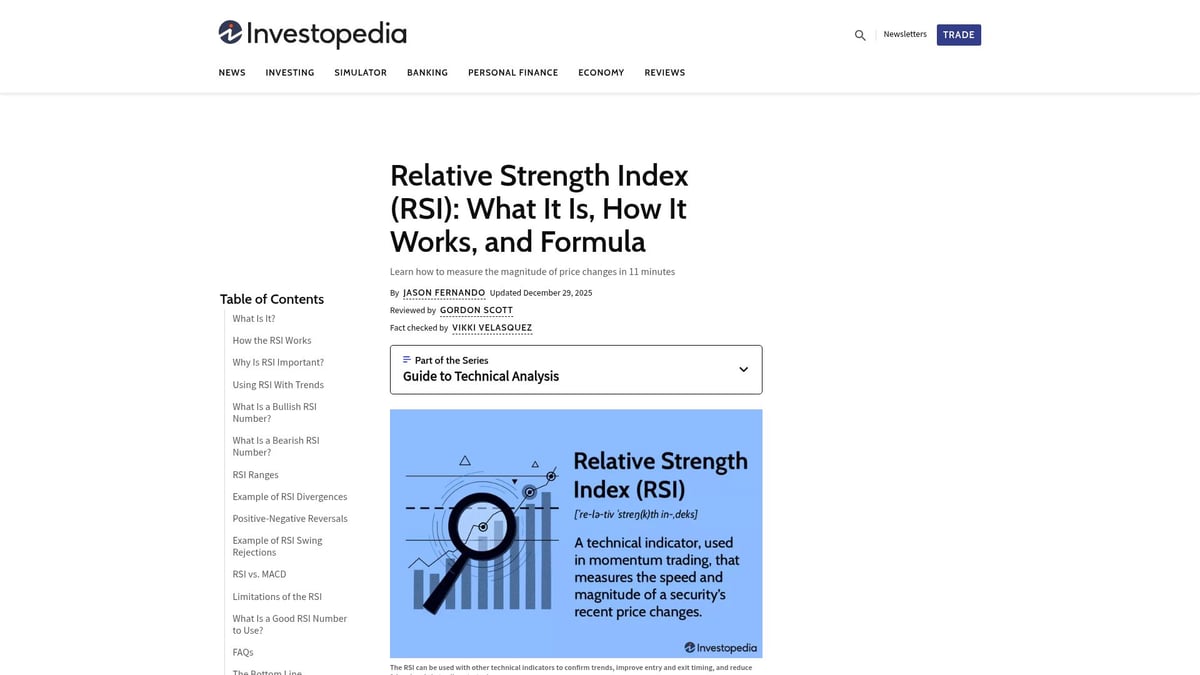
The Relative Strength Index, or RSI, has long been a staple among the best day trader indicators due to its simplicity and effectiveness. RSI measures both the speed and change of price movements, helping traders identify overbought and oversold conditions with ease.
Core features:
- Momentum oscillator (0-100 scale)
- Customizable thresholds for overbought/oversold
- Divergence and reversal signals
Key benefits: RSI is easy to interpret and works well in both trending and volatile markets. Its widespread support across trading platforms makes it accessible to all traders.
Pros:
- Works on all asset classes
- Simple visual cues
- Well-documented strategies
Cons:
- Risk of false signals in choppy markets
A classic example is using RSI divergence to anticipate reversals in the S&P 500, a strategy that proved effective throughout 2025. For an in-depth look at how RSI can improve your trading, see RSI indicator for traders.
3. Volume Weighted Average Price (VWAP)
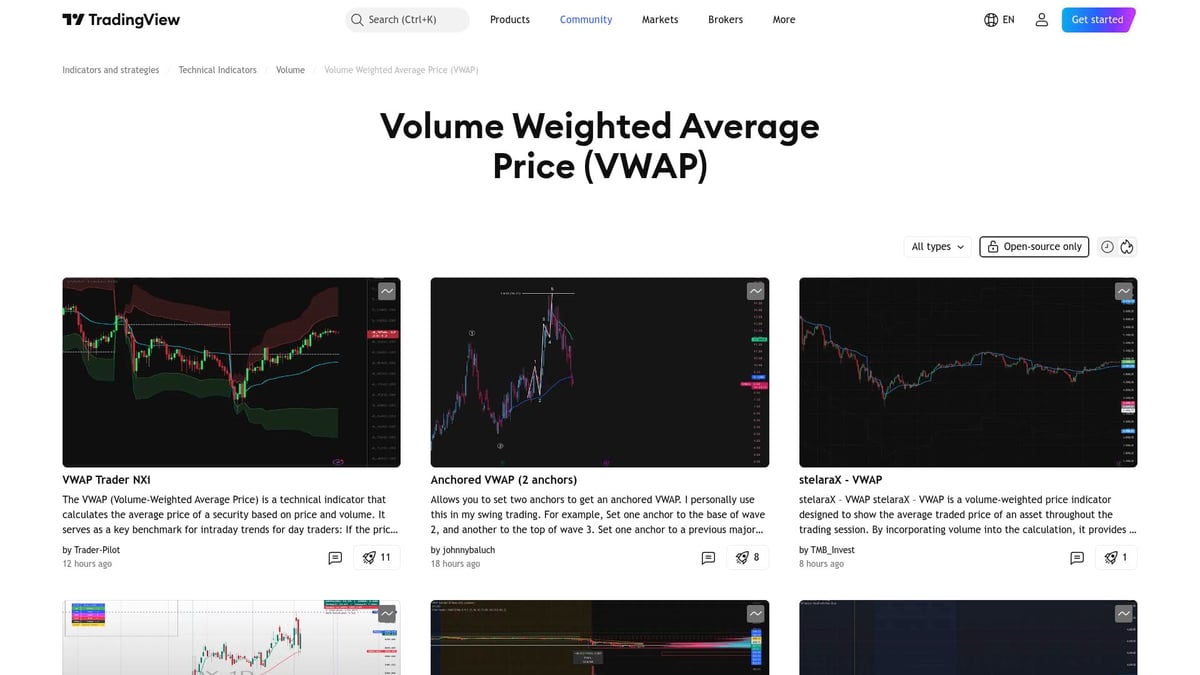
VWAP is increasingly recognized as one of the best day trader indicators for intraday analysis. By calculating the average price weighted by volume, VWAP helps traders pinpoint fair value and confirm trends within a session.
Core features:
- Real-time volume-weighted calculation
- Session-based trend confirmation
- Institutional usage for large orders
Key benefits: VWAP is especially valuable during high-volume periods, providing optimal entry and exit points. It adapts to various timeframes and minimizes slippage for active traders.
Pros:
- Adaptable across timeframes
- Reduces execution risk
- Strong trend confirmation
Cons:
- Less effective in low-volume markets
Professional scalpers often use VWAP to time trades on Nasdaq stocks. For a comprehensive explanation, visit the VWAP indicator explained page.
4. Exponential Moving Average (EMA)
EMA remains one of the best day trader indicators for fast-paced environments. By weighting recent prices more heavily, it reacts swiftly to market changes and helps traders ride momentum.
Core features:
- Adjustable periods for any asset
- Smooths out price data
- Reacts quickly to reversals
Key benefits: EMAs are ideal for crossover strategies, such as the 9 EMA versus 21 EMA method, which signals entries and exits with precision.
Pros:
- Customizable for any timeframe
- Reduces lag from traditional moving averages
Cons:
- Prone to whipsaws in sideways markets
Momentum traders and scalpers often rely on EMA crossovers in forex for high-frequency decision-making, making it a must-have among the best day trader indicators.
5. MACD (Moving Average Convergence Divergence)
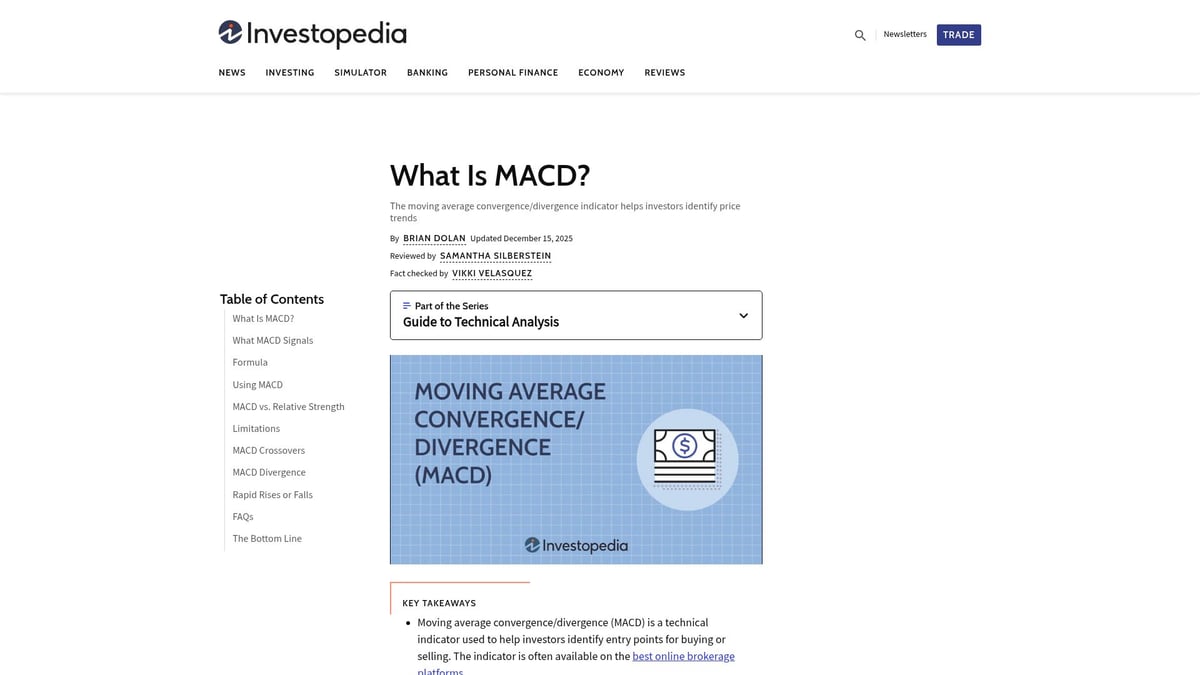
MACD is a powerful addition to the best day trader indicators list, combining two EMAs to reveal momentum and trend direction. Its histogram further visualizes the strength of a move.
 Moving Average Convergence Divergence)" />
Core features:
- Combines short and long-term EMAs
- Histogram for momentum strength
- Signals for crossovers and divergence
Key benefits: MACD excels at identifying trend reversals and momentum shifts, providing reliable confirmation for entries and exits.
Pros:
- Reliable in trending environments
- Visual and easy to interpret
Cons:
- Can lag during sudden reversals
Crypto traders used MACD signals to time entries during the 2025 bull run, capitalizing on strong momentum moves. Its versatility cements its place among the best day trader indicators.
6. Supertrend Indicator
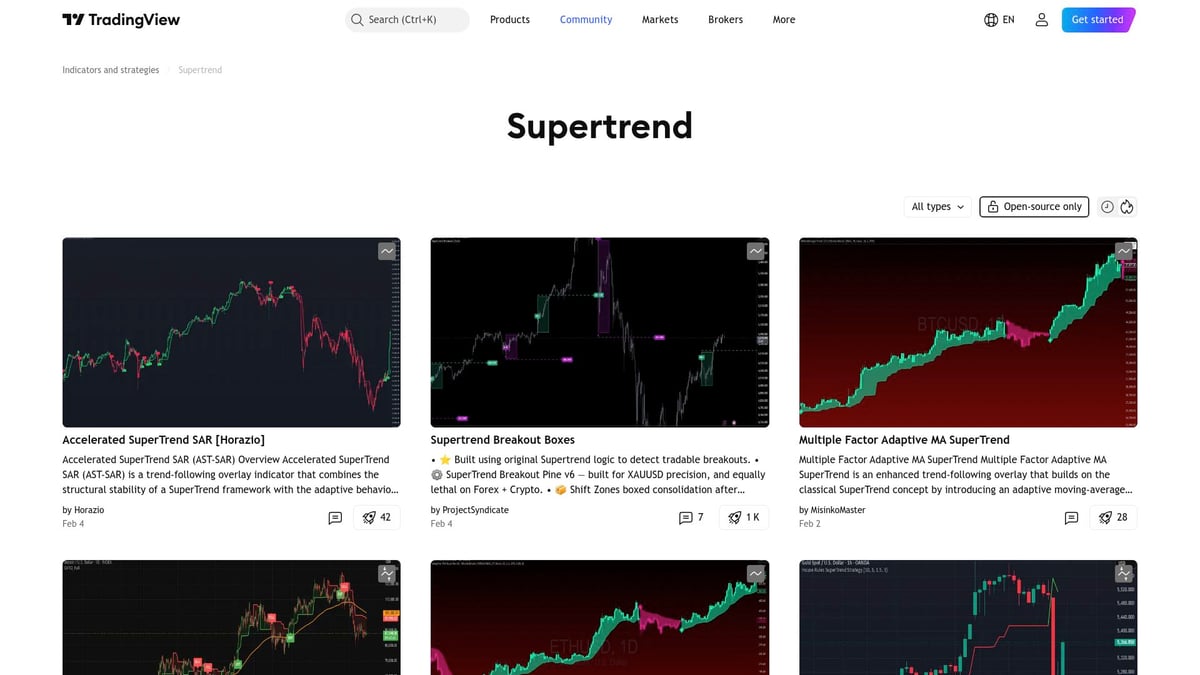
The Supertrend Indicator is gaining traction as one of the best day trader indicators for following trends. Using ATR and price action, it delivers adaptive buy and sell signals that respond to market volatility.
Core features:
- Trend-following with ATR-based calculations
- Dynamic buy/sell signals
- Automatic adjustment for volatility
Key benefits: Supertrend provides clear visual cues and adapts to changing market conditions, making it accessible for traders at any experience level.
Pros:
- Simple to use
- Works across all markets
- Minimizes false signals in strong trends
Cons:
- Underperforms during sideways markets
Many traders successfully rode trends in gold and oil using Supertrend, taking advantage of its ability to lock in profits during powerful moves. It remains a cornerstone among the best day trader indicators.
7. Order Flow/Footprint Charts
Order Flow and Footprint Charts offer a granular look into market activity, setting them apart as some of the best day trader indicators for advanced users. These tools visualize real-time market orders and liquidity, revealing insights often hidden from standard charts.
Core features:
- Real-time visualization of order flow
- Identification of institutional activity
- Detection of hidden support and resistance
Key benefits: By uncovering order imbalances, these indicators help traders anticipate breakouts and reversals with greater accuracy.
Pros:
- Enhances timing precision
- Provides deep market insight
Cons:
- Steep learning curve
- Requires specialized platforms
Experienced futures traders use order flow analysis to predict breakouts in E-mini contracts, giving them a competitive edge among those seeking the best day trader indicators.
8. Bollinger Bands
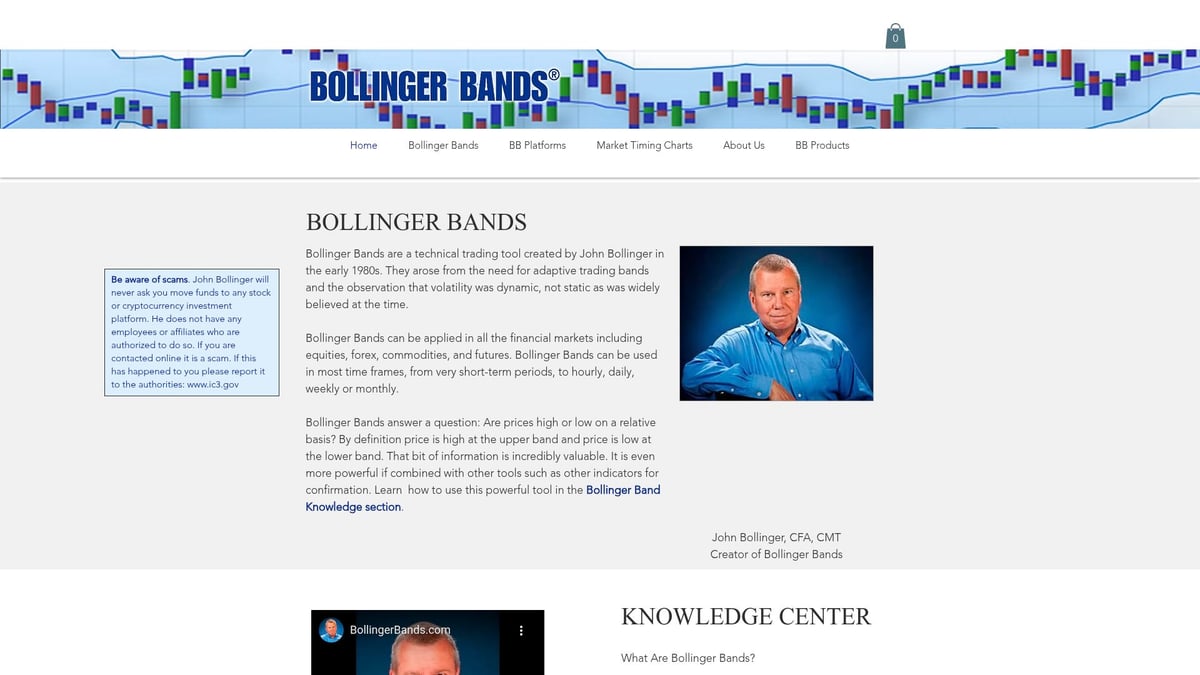
Bollinger Bands are a classic among the best day trader indicators, known for visualizing volatility and capturing breakout setups. They plot standard deviation bands above and below a moving average, dynamically adjusting to market conditions.
Core features:
- Volatility expansion/contraction identification
- Dynamic adaptation to price changes
- Supports mean reversion and breakout strategies
Key benefits: Bollinger Bands make it easy to spot price extremes and prepare for significant moves, especially during periods of low volatility.
Pros:
- Visualizes market extremes
- Ideal for volatility and breakout trades
Cons:
- Can produce false signals in strong trends
A well-known strategy is trading the “Bollinger Band squeeze,” which often precedes major moves in pairs like EUR/USD. This adaptability keeps Bollinger Bands at the forefront of the best day trader indicators.
9. Fibonacci Retracement Levels
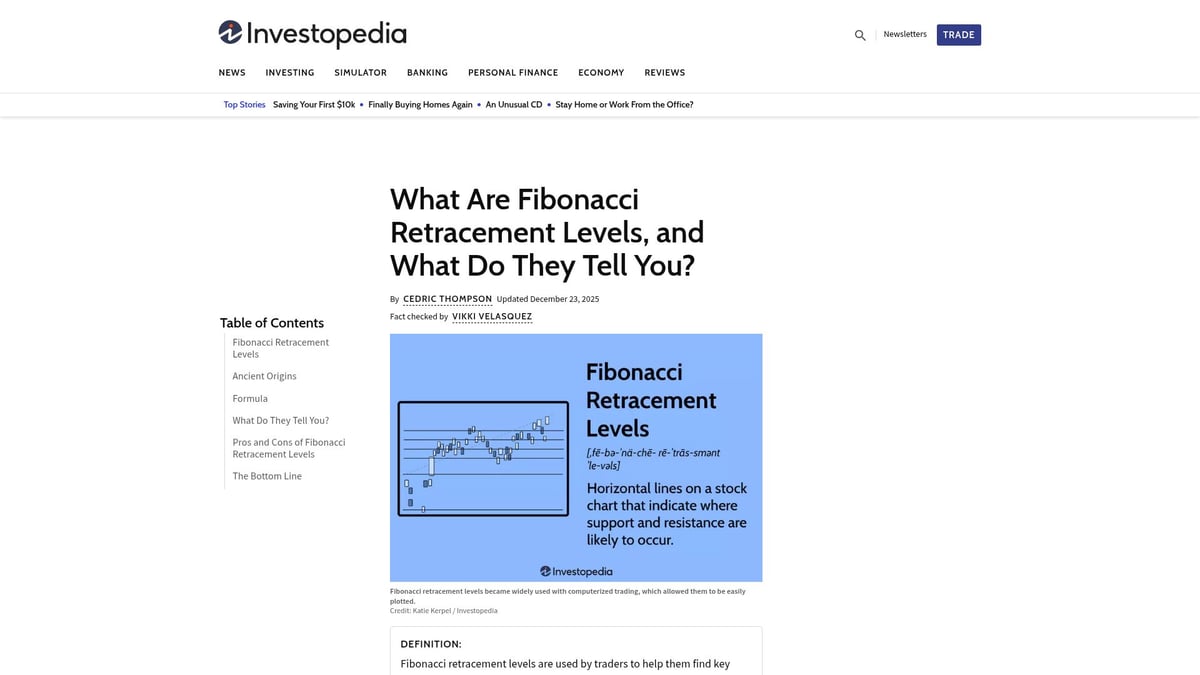
Fibonacci Retracement Levels round out the list of best day trader indicators, offering a unique approach to identifying potential support and resistance. By applying Fibonacci ratios, traders can anticipate price pullbacks and extensions with greater confidence.
Core features:
- Plots retracement and extension levels based on price swings
- Universally recognized ratios (38.2%, 50%, 61.8%)
- Works on all timeframes and asset classes
Key benefits: Fibonacci levels aid in risk management and can be seamlessly integrated with other indicators for stronger setups.
Pros:
- Easy to apply
- Enhances strategy flexibility
Cons:
- Subjective placement
- Best used with confirmation
For example, many traders used Fibonacci retracement to guide their entries during Bitcoin corrections, helping to define clear risk and reward parameters. Its broad applicability secures its place among the best day trader indicators.
How to Combine and Customize Indicators for Maximum Edge
Navigating the world of the best day trader indicators requires more than just knowing what tools exist. To truly gain an edge, traders must learn to combine, customize, and automate their indicator strategies for clarity and actionable insights. Let’s break down how to do this effectively for 2026’s fast-paced markets.
Building a Robust Indicator Stack
Creating a robust stack of the best day trader indicators is about synergy, not just quantity. Start by combining leading indicators, like RSI or Supertrend, with lagging ones such as EMA or MACD. This mix helps confirm signals and reduce false positives.
Avoid overlapping tools that provide the same type of information. For example, using both VWAP and a simple moving average can be redundant. Instead, select complementary indicators that each add unique value.
A practical stack might look like this:
| Indicator | Role | Asset Example |
|---|---|---|
| RSI | Leading | Crypto |
| EMA | Lagging | Forex |
| VWAP | Confirmation | Stocks |
For more guidance on assembling an effective mix, explore Technical indicators for day trading to see real-world strategies and combinations.
Customization and Backtesting
Customizing the best day trader indicators to fit your personal trading style is crucial. Adjust parameters like lookback periods or alert thresholds based on the asset class and timeframe you trade. A scalper might set a 9-period EMA, while a swing trader could prefer a 21-period EMA.
Never skip backtesting. Testing your indicator setup on historical data validates its effectiveness before risking real capital. According to Day Trading Facts & Statistics, traders who routinely backtest strategies are more likely to achieve consistent results.
Use platforms that allow easy parameter adjustments and provide robust backtesting tools. This approach helps refine your edge and adapt your strategy as markets evolve.
Managing Information Overload
Too many of the best day trader indicators can clutter your charts and slow your decision-making. Limit yourself to two or three core indicators that deliver clear, actionable signals.
Focus on quality over quantity by choosing tools that you fully understand and that match your trading objectives. Many professionals favor minimalist setups, relying on a few trusted indicators and price action.
A clean workspace reduces distractions and helps you react swiftly to emerging opportunities. Remember, simplicity often leads to greater consistency and confidence in execution.
Real-Time Alerts and Automation
The speed of modern markets means that the best day trader indicators must deliver timely alerts. Set up real-time notifications for your most critical signals, such as crossovers or breakouts.
Leverage automation tools or trading bots to execute trades instantly when your predefined conditions are met. Automation not only speeds up reaction times but also removes emotional bias from the process.
Consider this: a trader using automated alerts for EMA and RSI signals reported faster entries and improved trade outcomes. Integrating automation with your indicator stack can be the difference between catching and missing profitable moves.
Choosing the Right Indicators for Your Trading Style
Selecting the best day trader indicators is a crucial step in building a strategy that matches your unique approach and goals. The right mix can help you filter noise, react to market shifts, and maximize your trading edge.
Matching Indicators to Market Conditions
Markets shift between trending, ranging, and highly volatile phases. The best day trader indicators should adapt accordingly. For example, trend-following tools excel in persistent moves, while oscillators may shine in sideways action.
Switching your indicator suite as conditions change allows for more accurate signals. If the market transitions from a trend to consolidation, consider swapping from a Supertrend to RSI or Bollinger Bands. This flexibility can protect your capital and optimize your entries.
Personalizing for Asset Classes and Timeframes
Every asset class has its quirks. Forex, stocks, crypto, and commodities respond differently to indicators and timeframes. The best day trader indicators for forex scalping may differ from those for stock swing trading.
Customizing settings—such as adjusting EMA periods or VWAP session times—ensures signals remain relevant. The US Forex Trading Statistics 2025 report highlights how diverse instruments require tailored indicator approaches for consistent results.
Assessing Your Risk Tolerance and Experience Level
Your experience and comfort with risk should guide your indicator selection. Beginners may benefit from simple, visual tools that offer clear signals and risk management features.
Advanced traders might prefer combining multiple indicators or analyzing order flow for deeper insights. Remember, the best day trader indicators should align with your decision-making style, not overwhelm you.
Staying Updated with New Indicator Innovations
The landscape of trading technology evolves rapidly. AI-driven and algorithmic indicators are increasingly prevalent, offering smarter, faster signals. According to Securities Industry Statistics: ZipDo Education Reports 2025, the rise of electronic trading has accelerated the adoption of these advanced tools.
Participate in early access programs or follow industry news to stay ahead. Continuous updates ensure your indicator stack remains effective and competitive.
Continuous Learning and Adaptation
Success in day trading requires ongoing education. The best day trader indicators should be part of a flexible, evolving toolkit. Join trading communities or forums to exchange insights, review new strategies, and refine your approach.
Adaptation is key—regularly reassess your indicator choices as your skills and the markets develop.
You’ve just seen how the right indicators can completely transform your day trading—cutting through noise and giving you the clarity to act with confidence. If you’re ready to put these insights into practice and finally stop second guessing every move, it’s time to experience what an advanced suite like PipTrend can offer. Imagine looking at your charts and knowing exactly when to enter, exit, or stay out—no more confusion, just well timed trades. You don’t have to guess anymore.