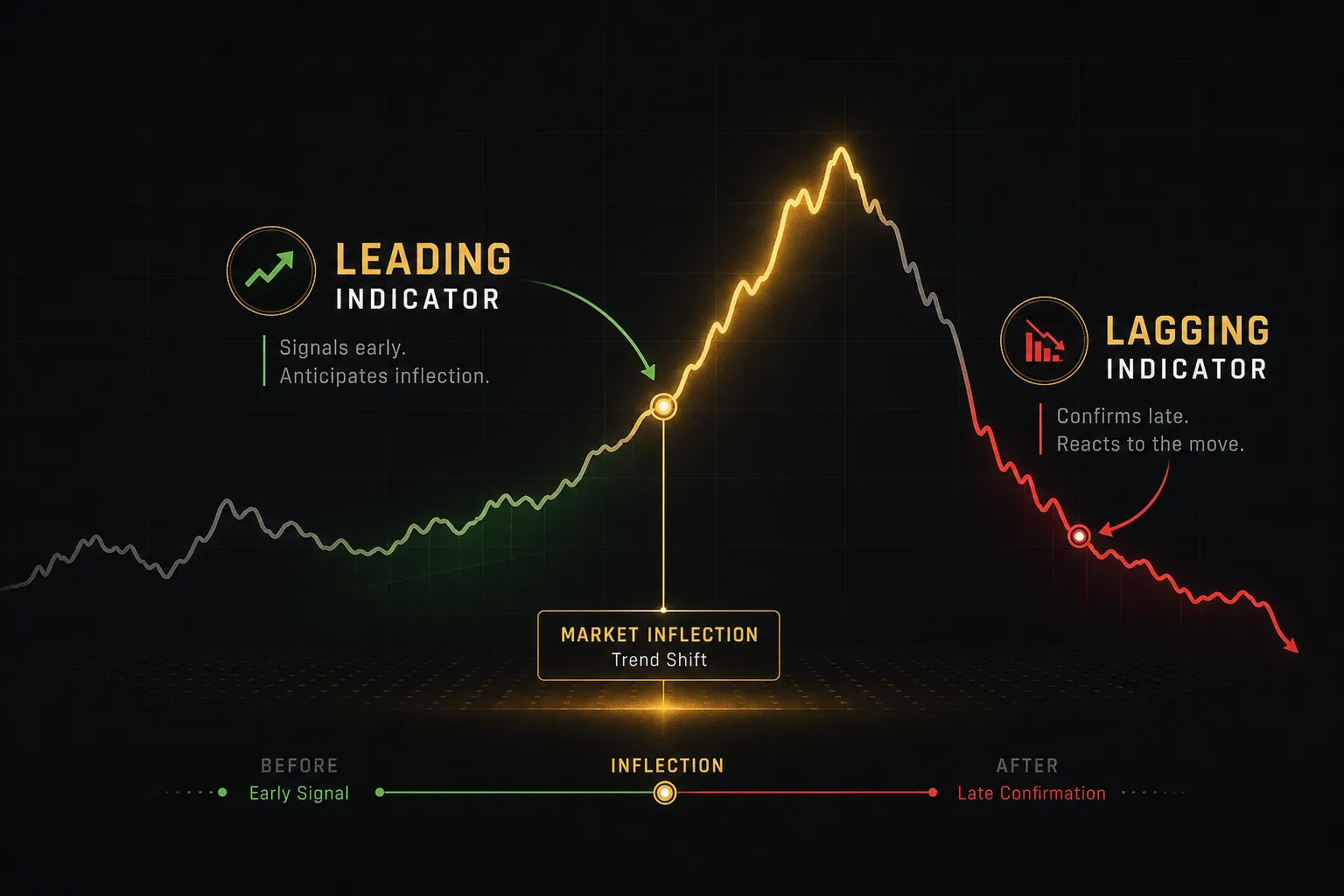
Leading vs Lagging Indicators: Which Wins for Traders?
We tested 7 TradingView systems on leading vs lagging signals. One combines both for early entries with fewer false signals.
Indicators turn raw price into readable signals. Learn what each one measures, where it helps, and where it can mislead.
44 articles in Trading Indicators
We tested 7 TradingView systems on leading vs lagging signals. One combines both for early entries with fewer false signals.
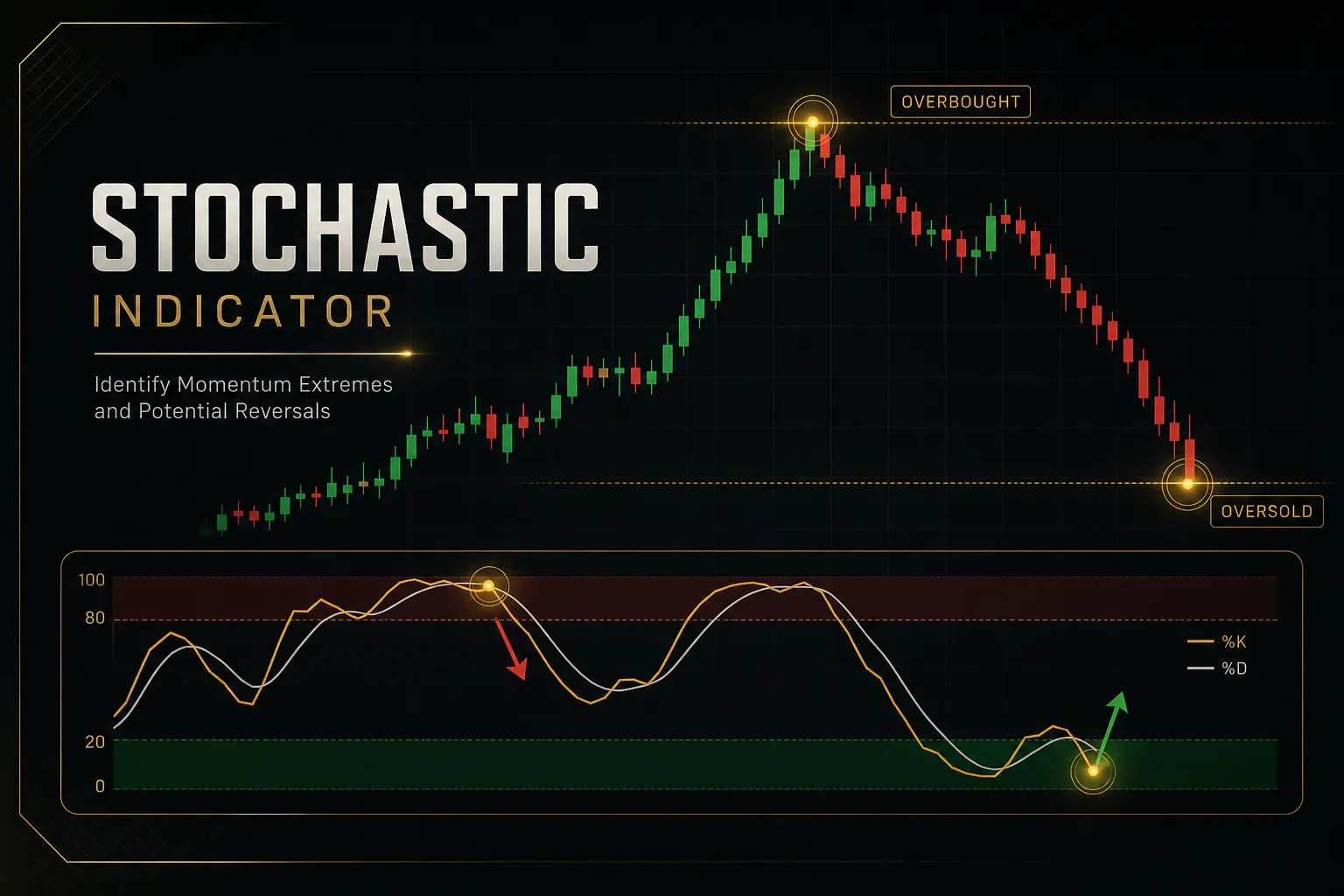
Learn why 80/20 rules fail traders and how to read stochastic across forex, stocks, and crypto. Includes calculation breakdown and real market examples.
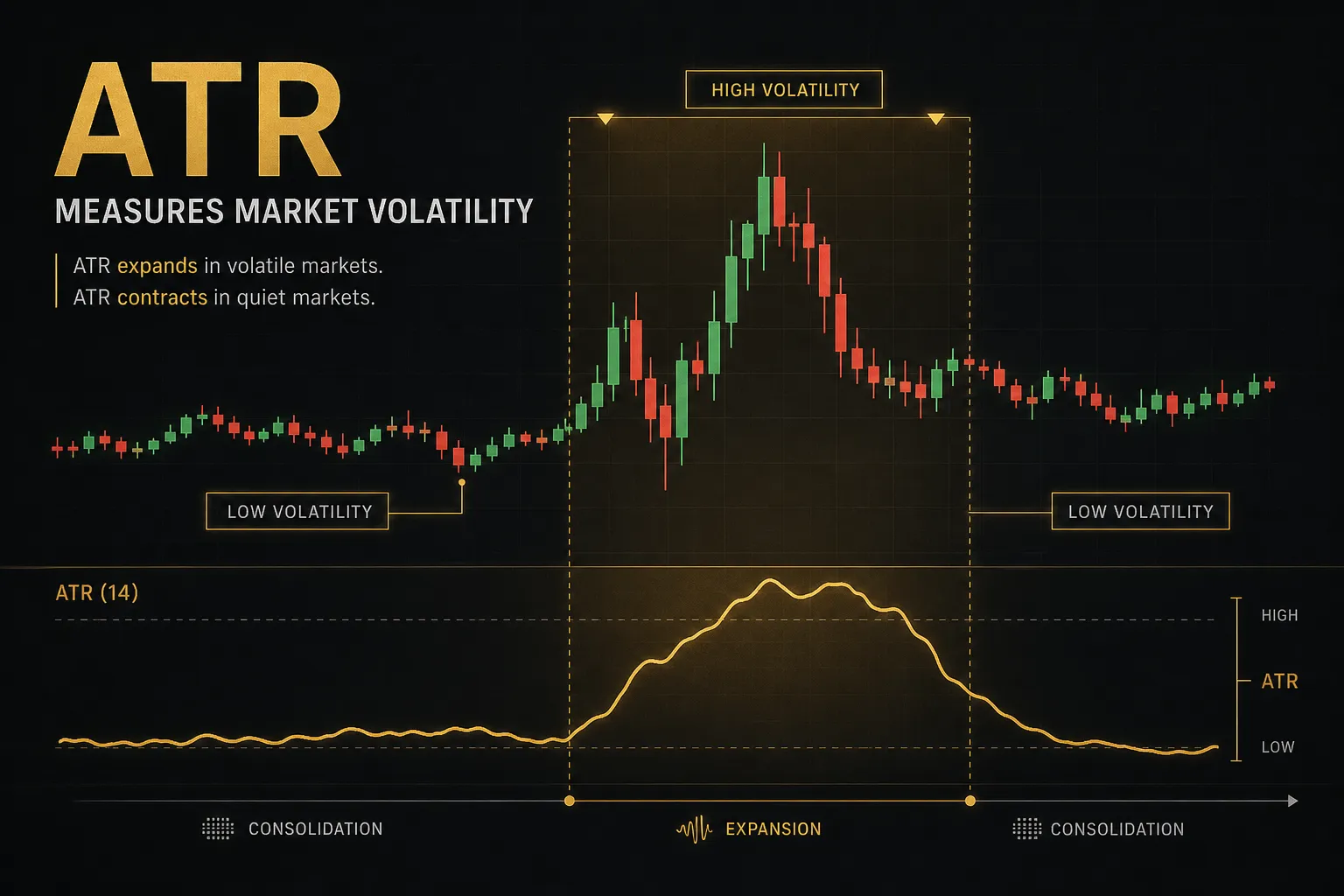
Learn how the ATR indicator sets stop distance, position size, and spots real breakouts. Includes Wilder's original 1978 formula and a common ATR mistake.
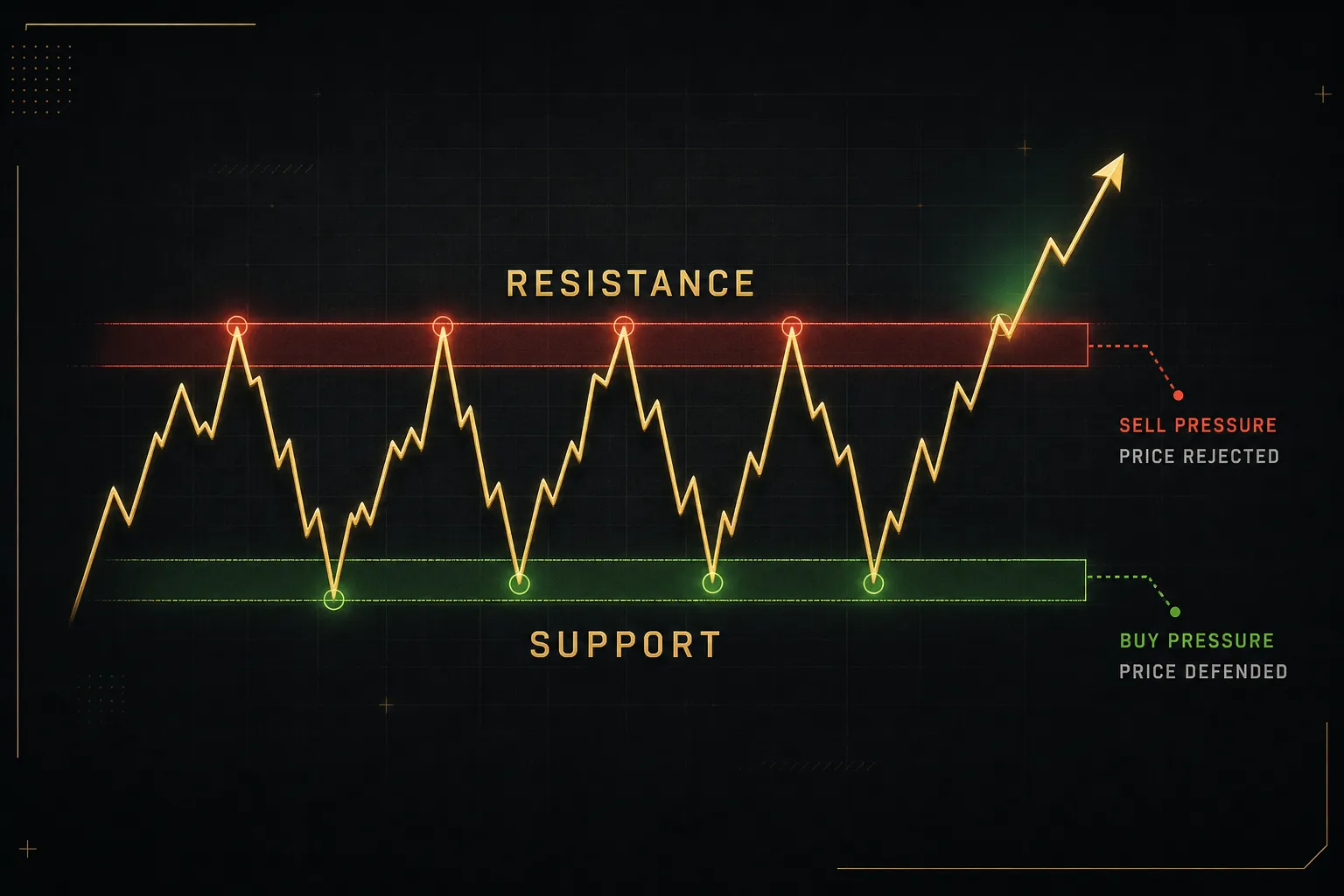
See how support and resistance indicators mark real price zones, not exact lines, plus rules for judging level strength before you trade.
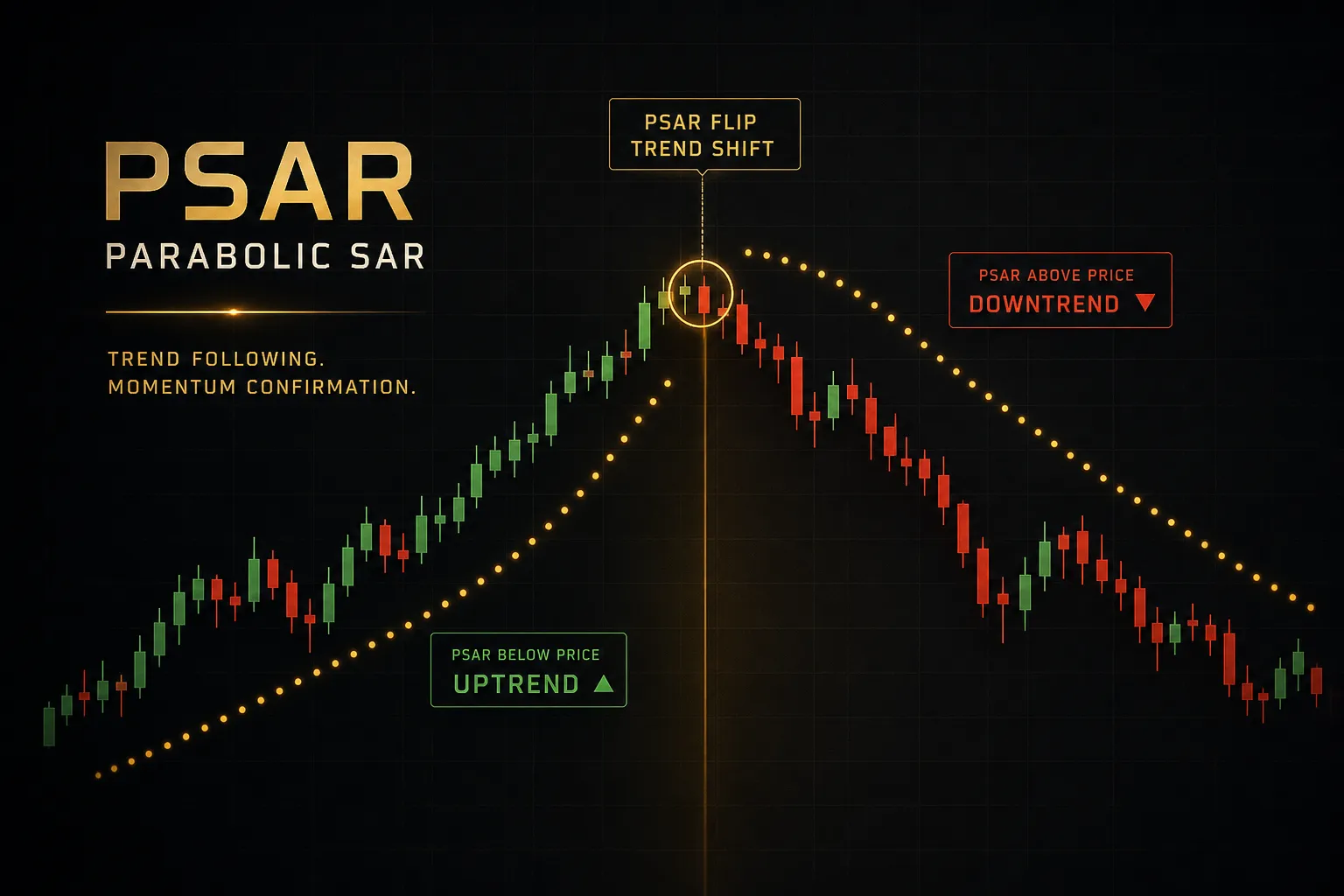
See exactly how PSAR dots signal trend flips, spot false signals, and avoid whipsaws in sideways markets. Includes the acceleration factor math.
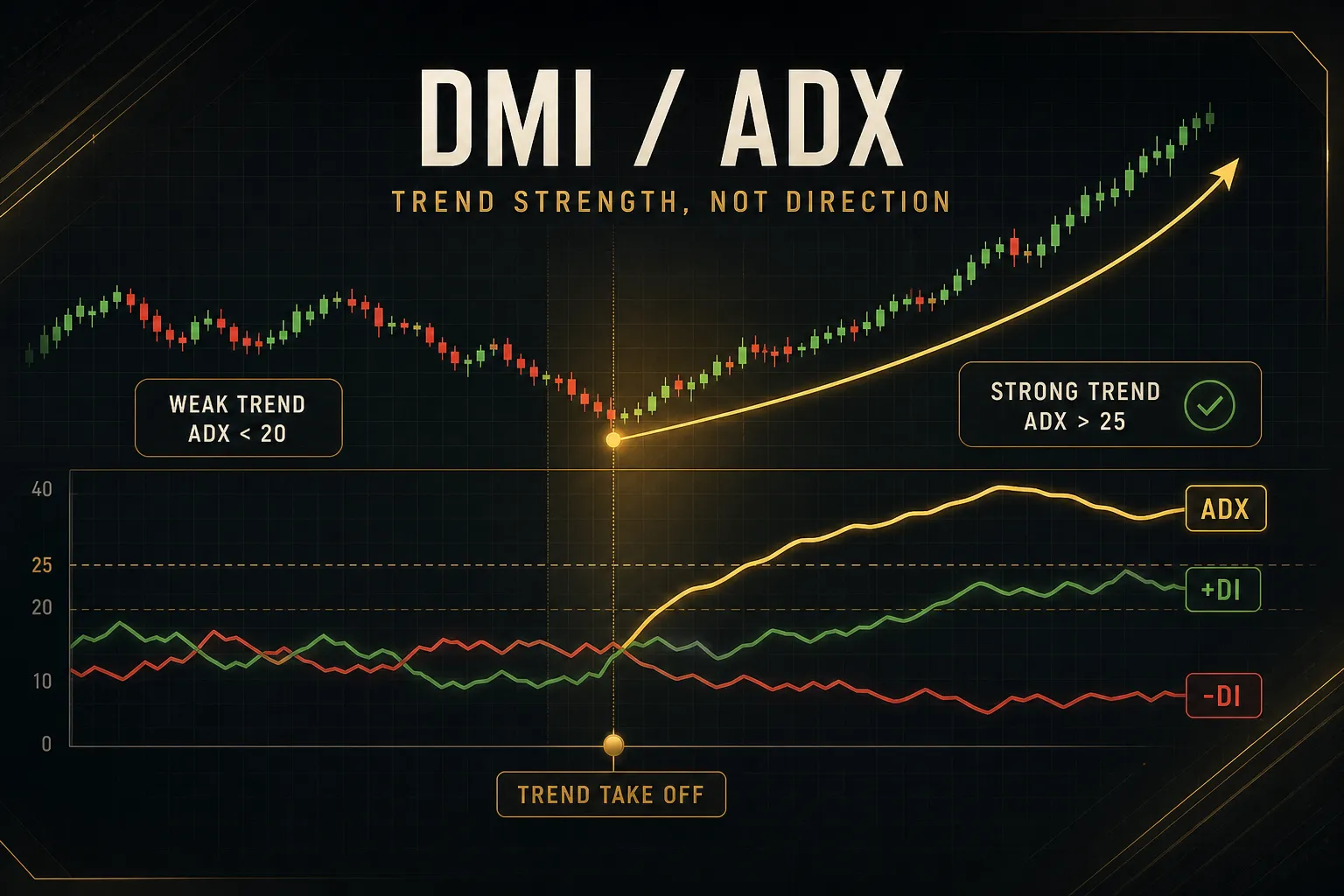
Stop misreading ADX crossovers. Learn what +DI, -DI and ADX actually signal, plus a rules-based confirmation workflow that works across forex, crypto and stocks
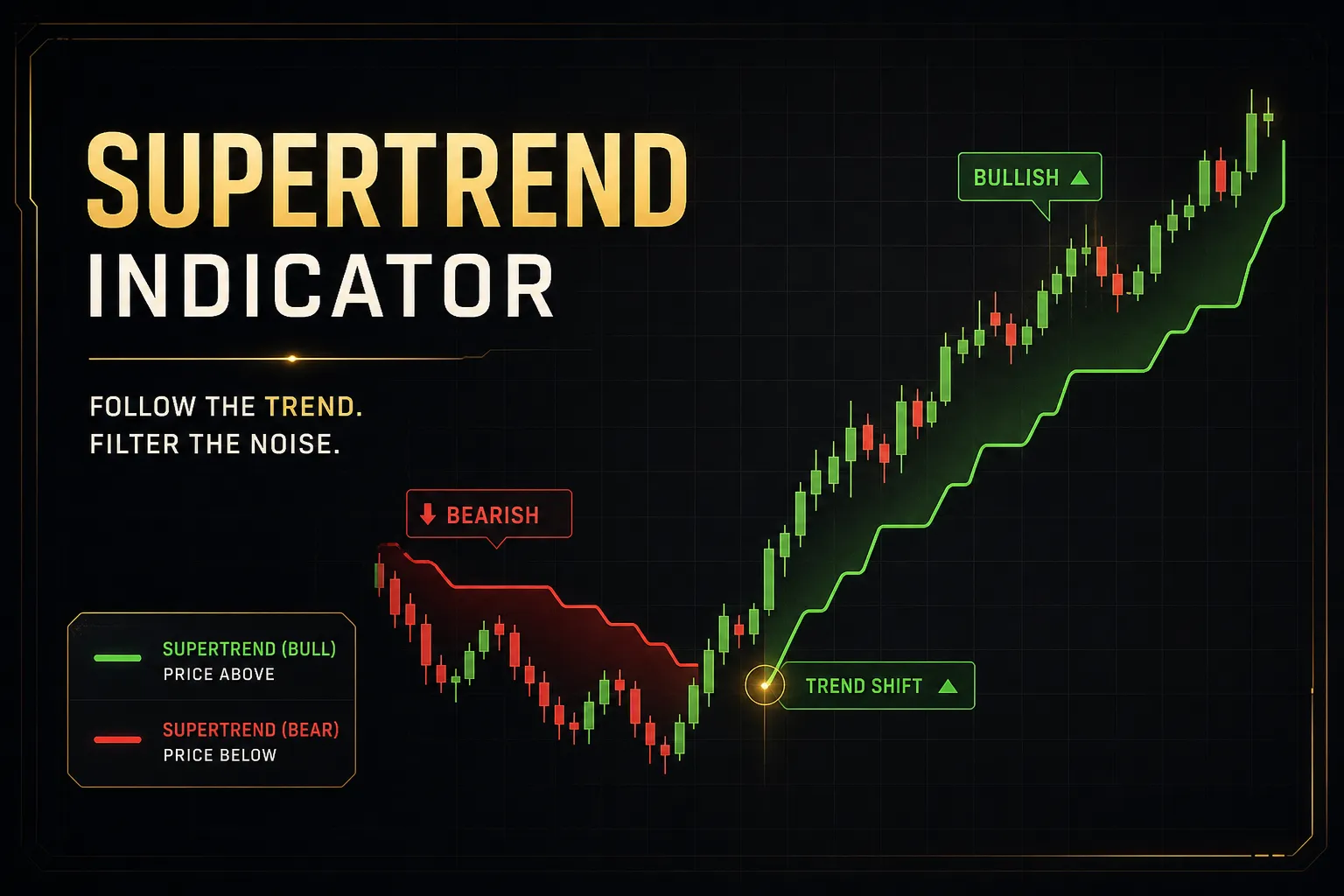
See where the Supertrend indicator breaks down in sideways markets and how to tune ATR settings so signals stop whipsawing. Real trading fixes inside.
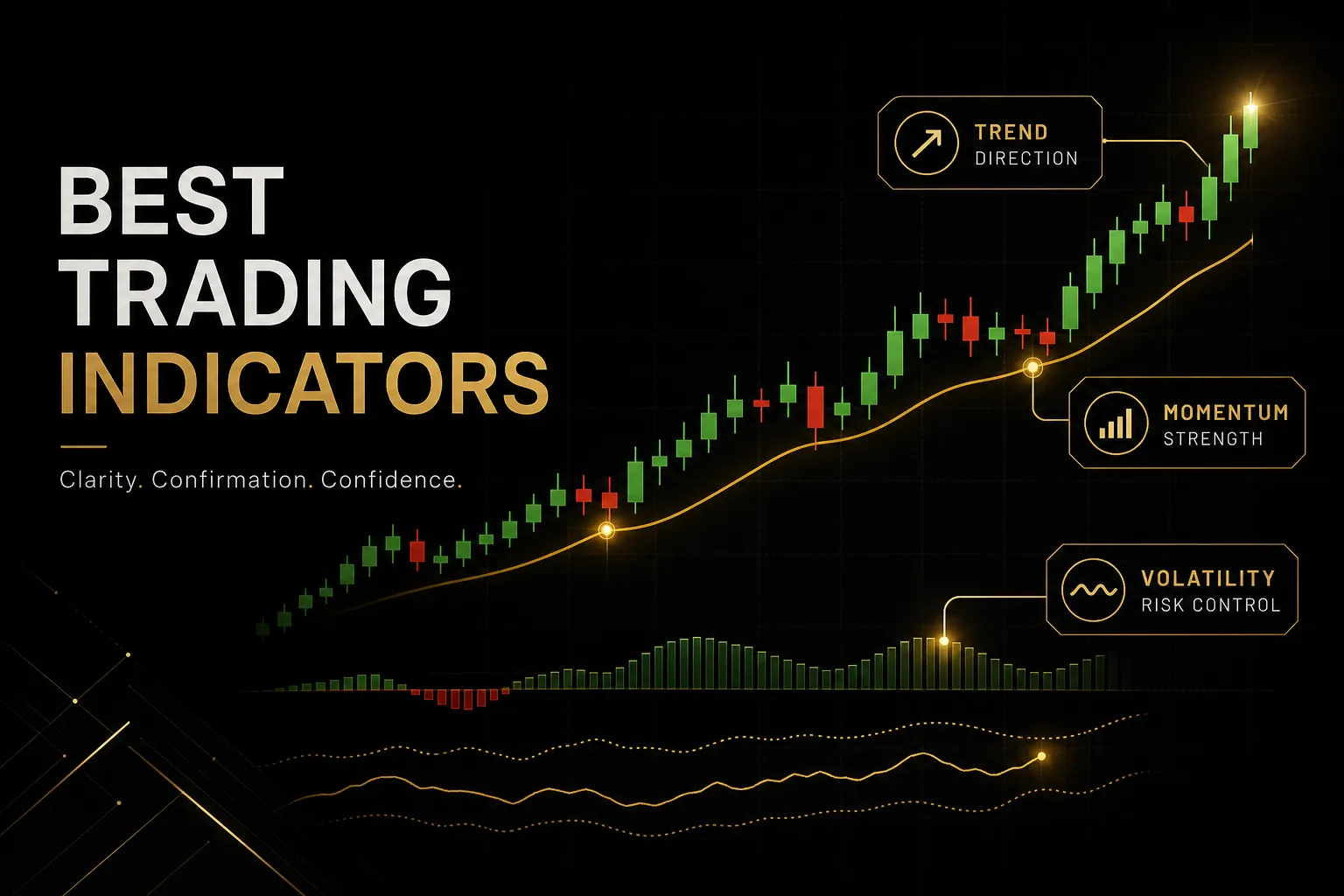
We tested TradingView indicators for repainting, alerts, and entry/exit accuracy. One suite publishes 100% verified results, even losses.
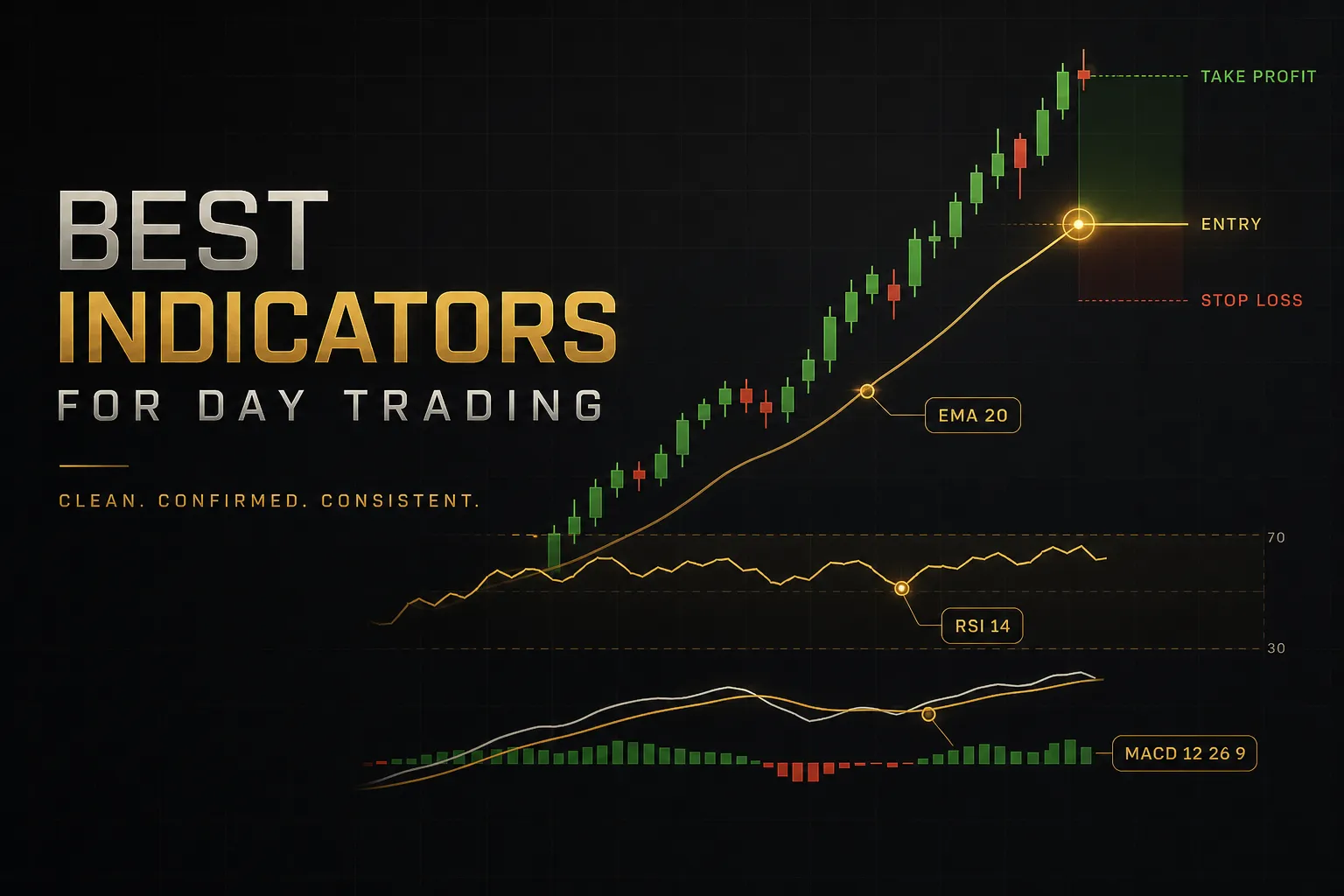
We tested free tools vs paid TradingView systems for repainting and accuracy. See our 2026 winner, PipTrend, and why it beat 9 rivals.
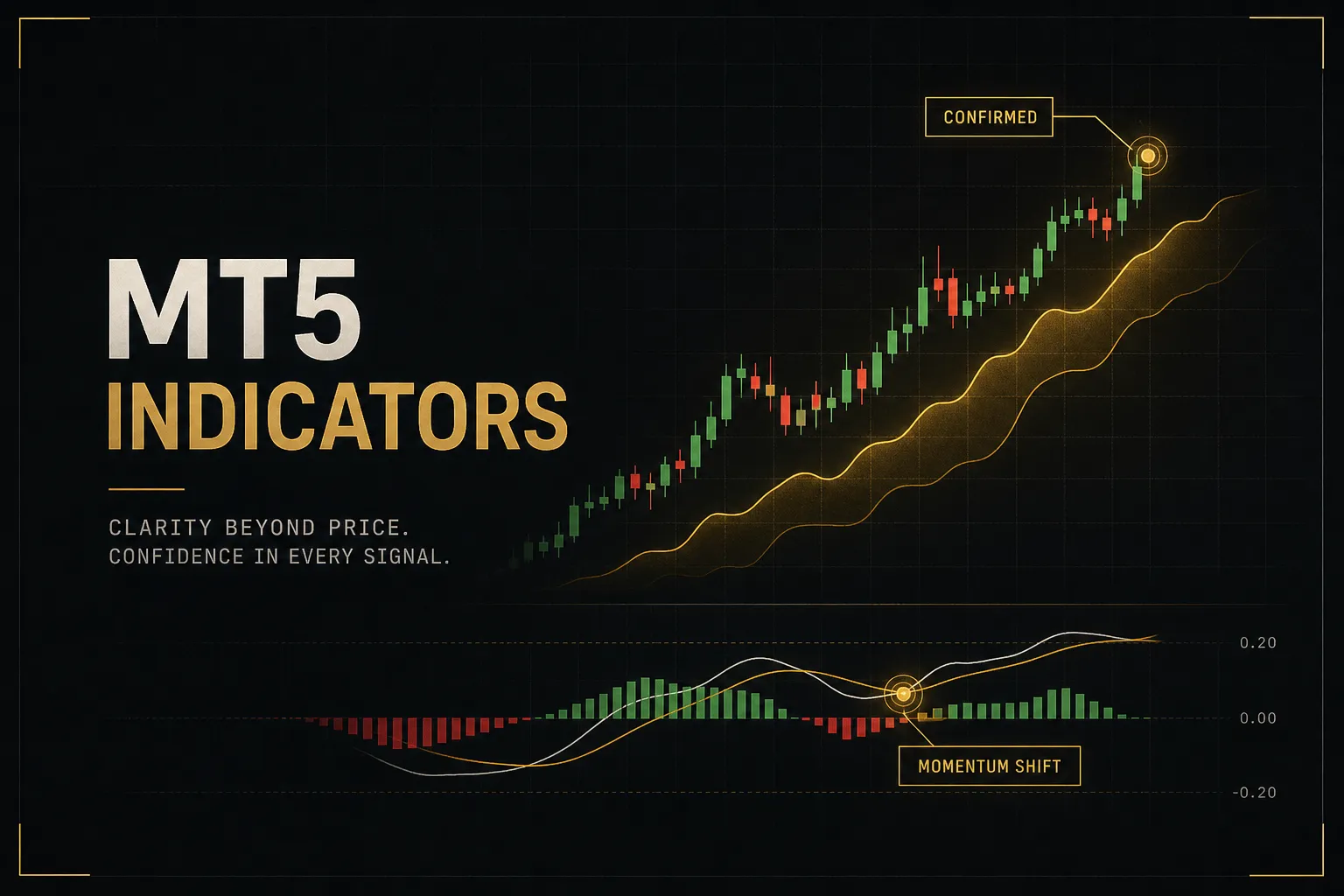
Learn how MT5 sorts its indicator library, map each tool to one of 5 trading questions, and cut duplicate signals. One combo backfires.
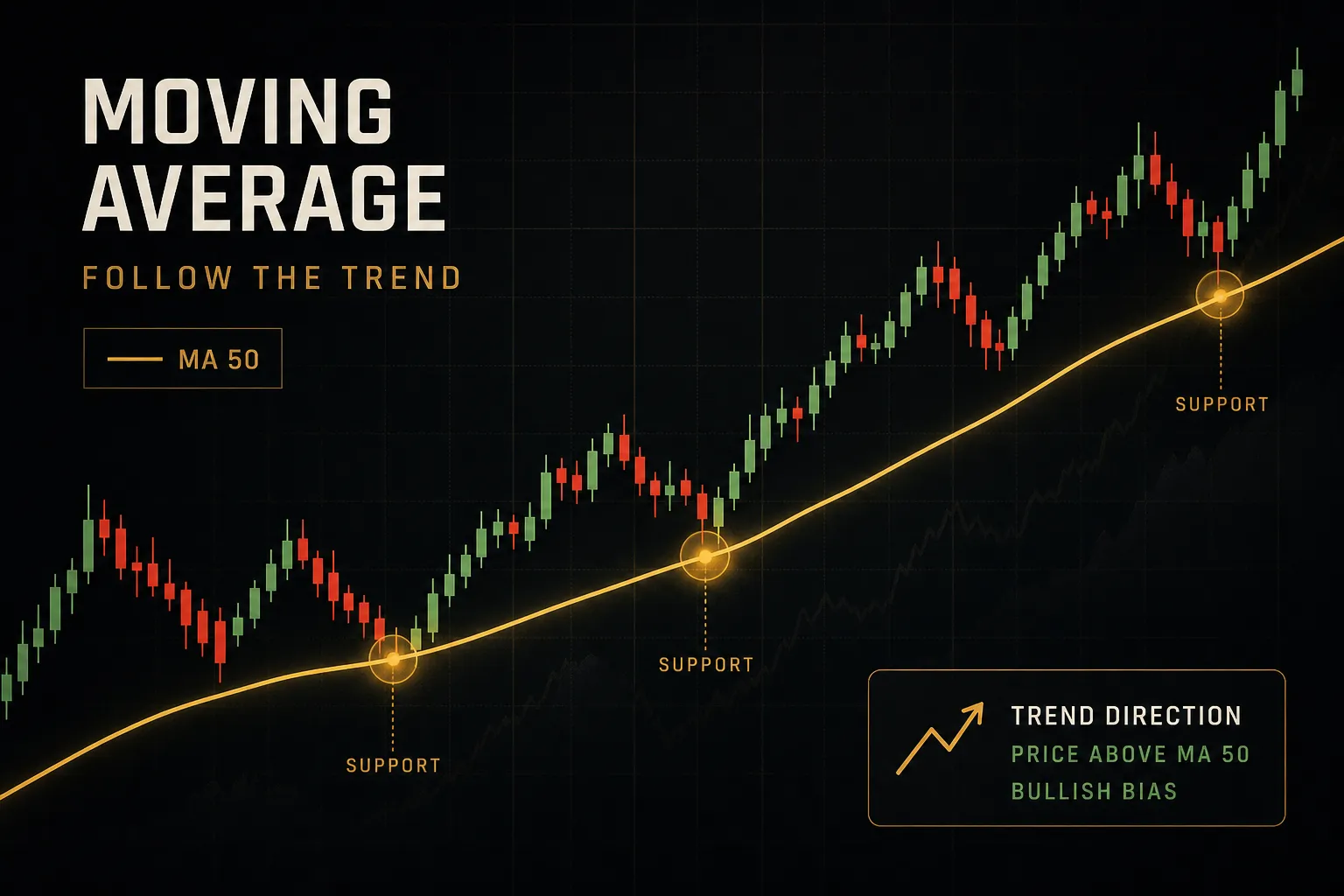
SMA vs EMA math, period selection, and why crossovers lie more than traders think. Learn where this lagging tool breaks down before you trust it.
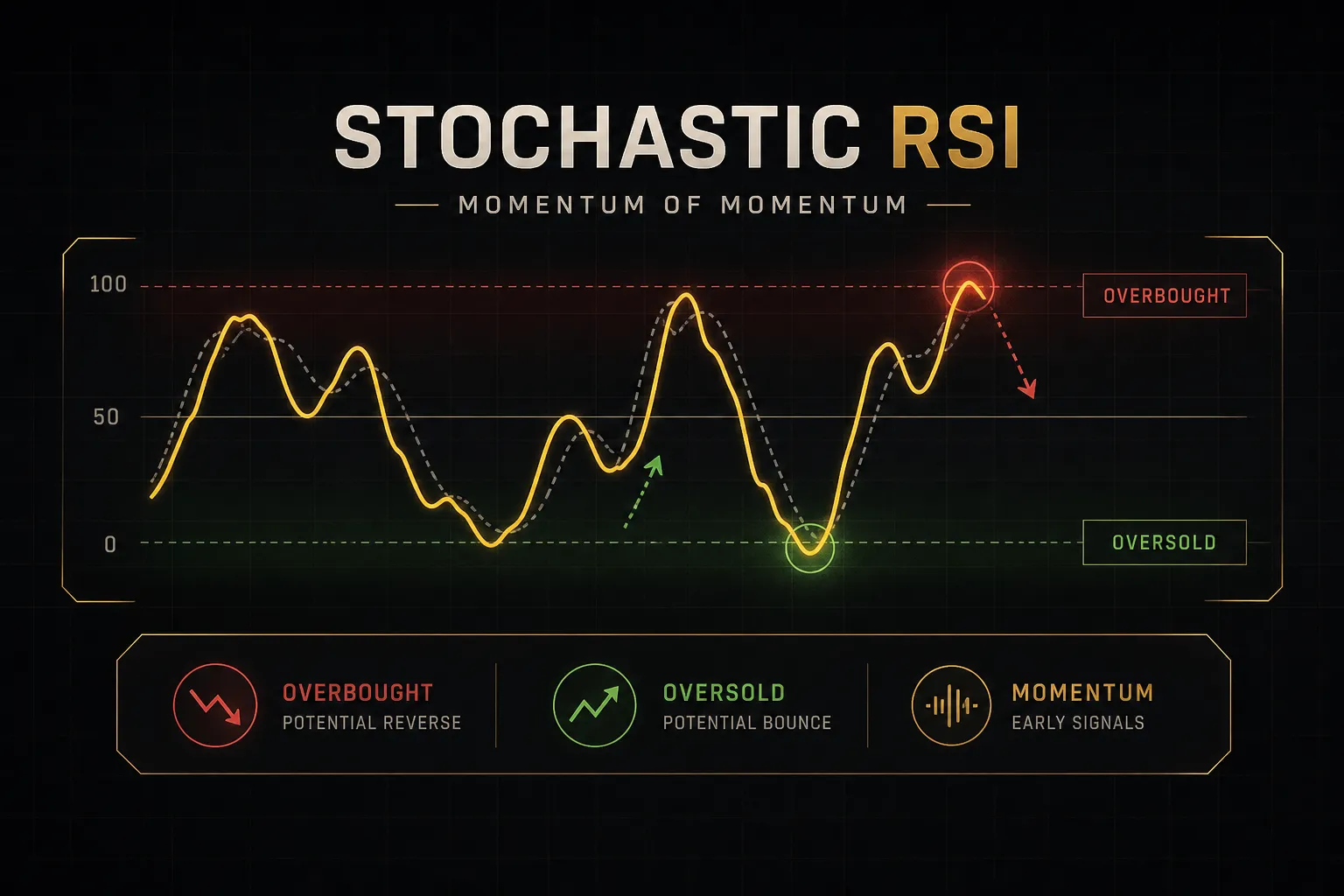
Learn why 0.95 doesn't always mean reversal. A context-first framework for signal, confirmation, and risk-managed trades. See where false signals come from.